The MGA With An Attitude
MGA Guru Is GOING MOBILE - (July 1 - July 15, 2026)
Wednesday, July 1, 2026:
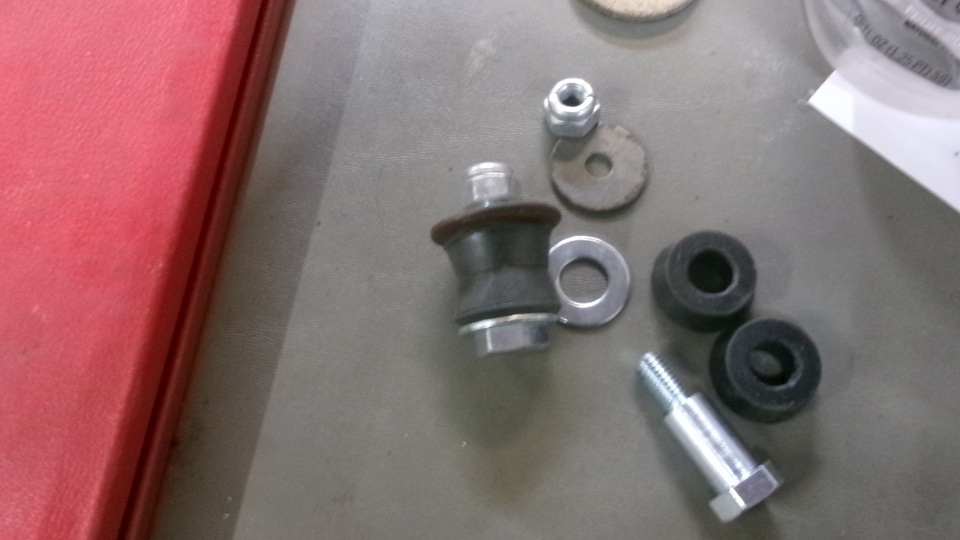
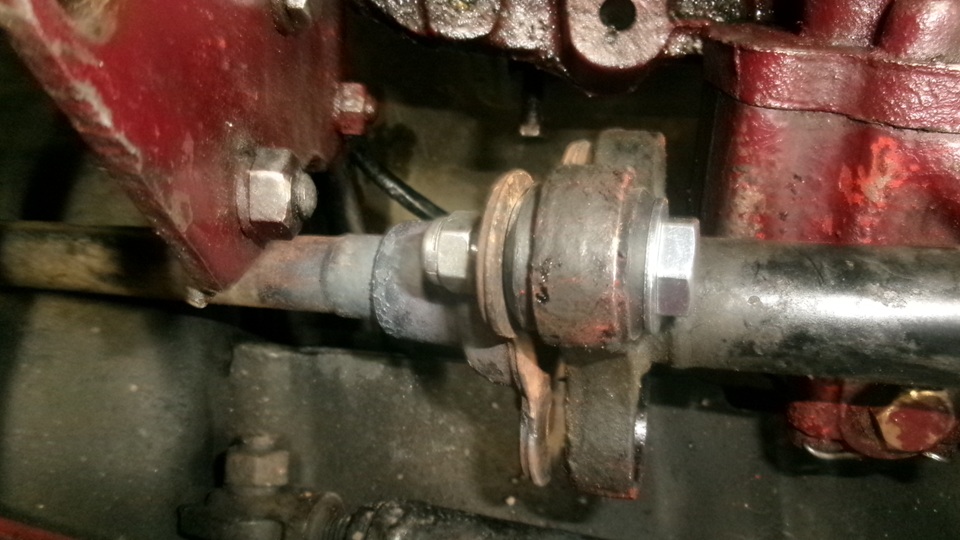
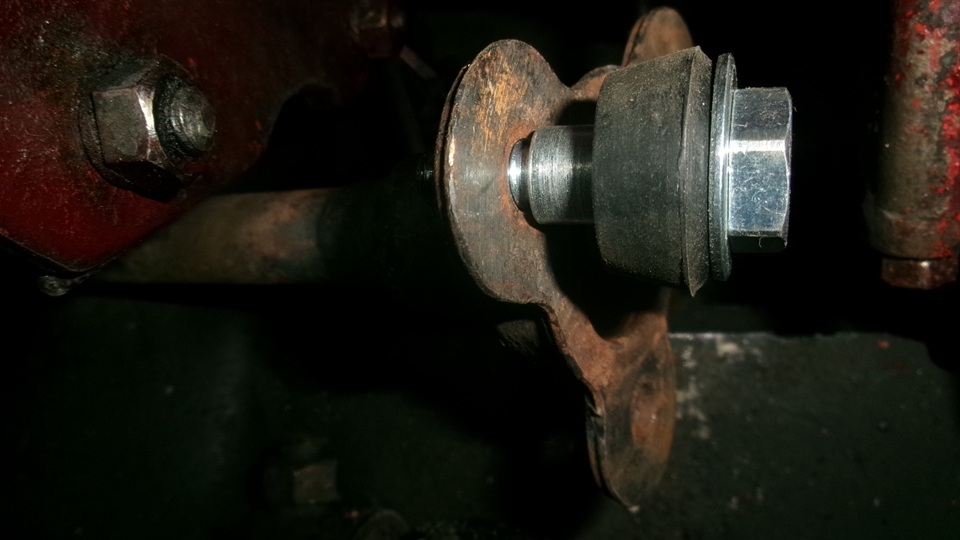
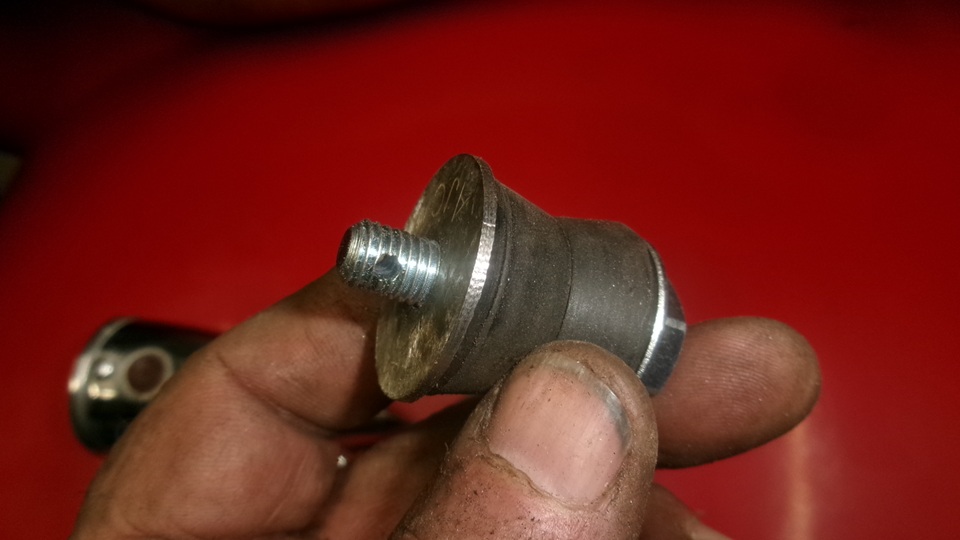
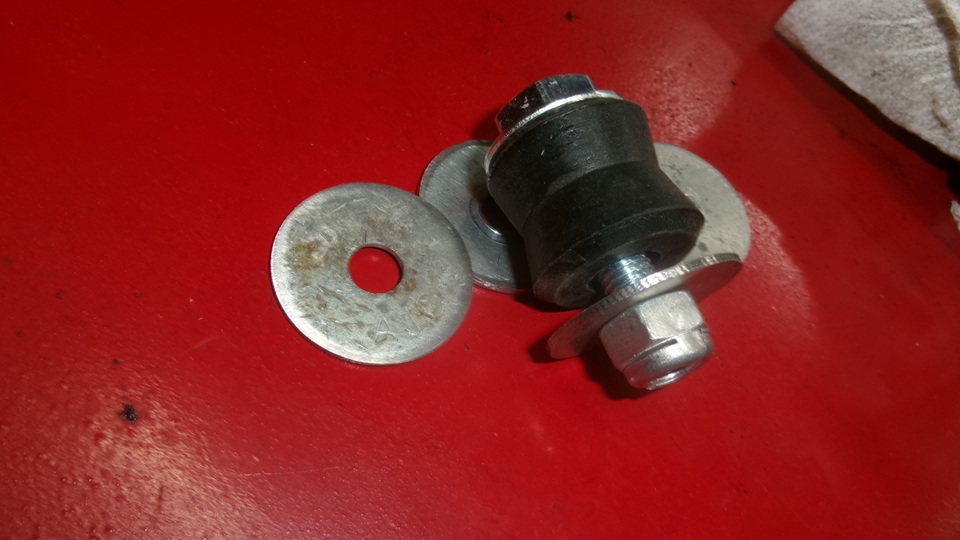
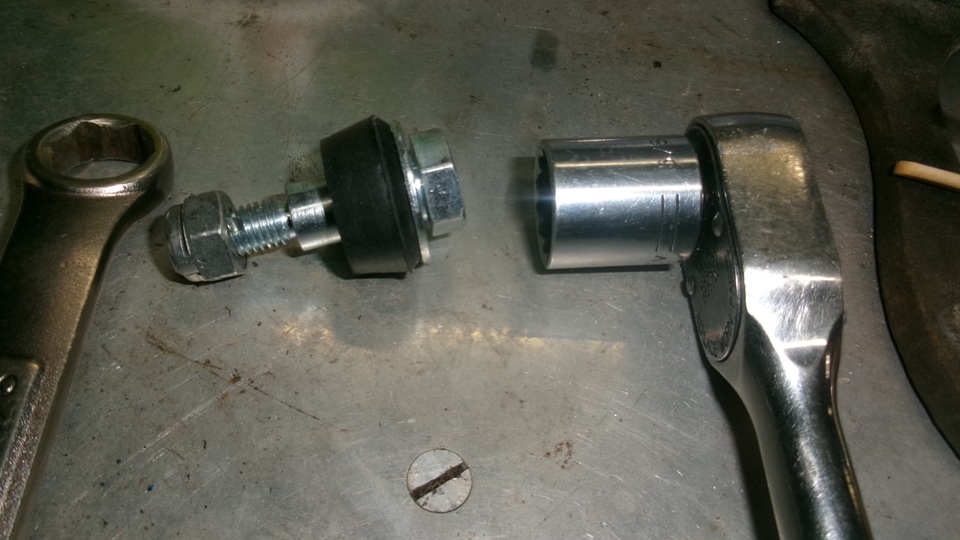
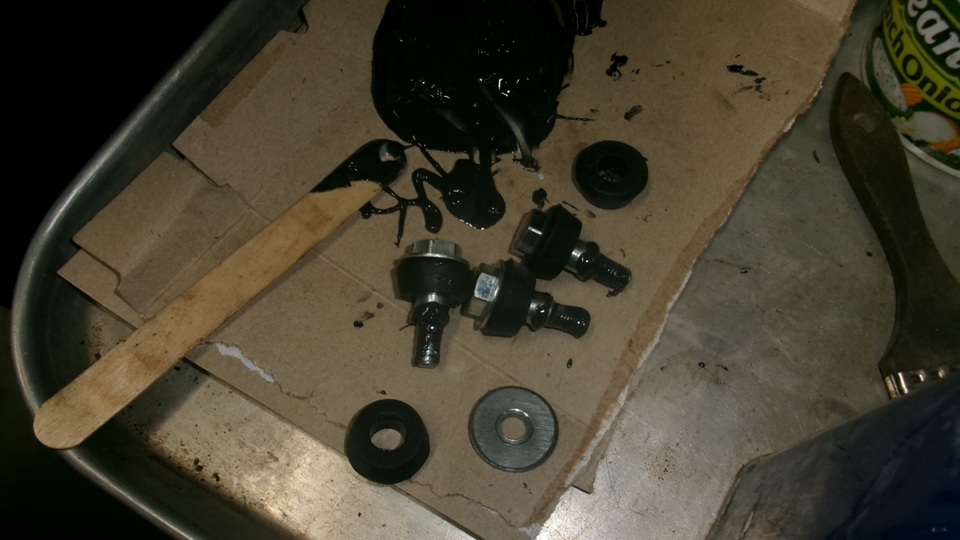
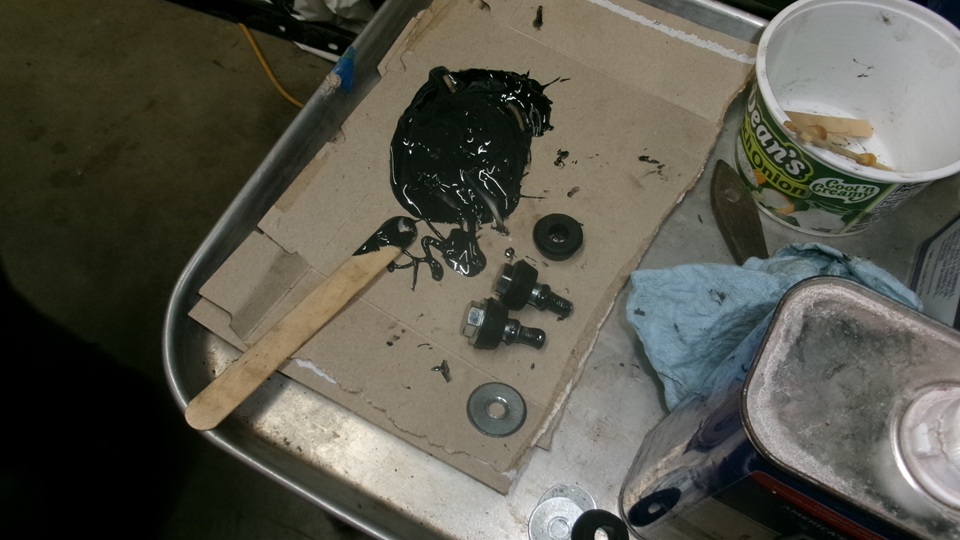
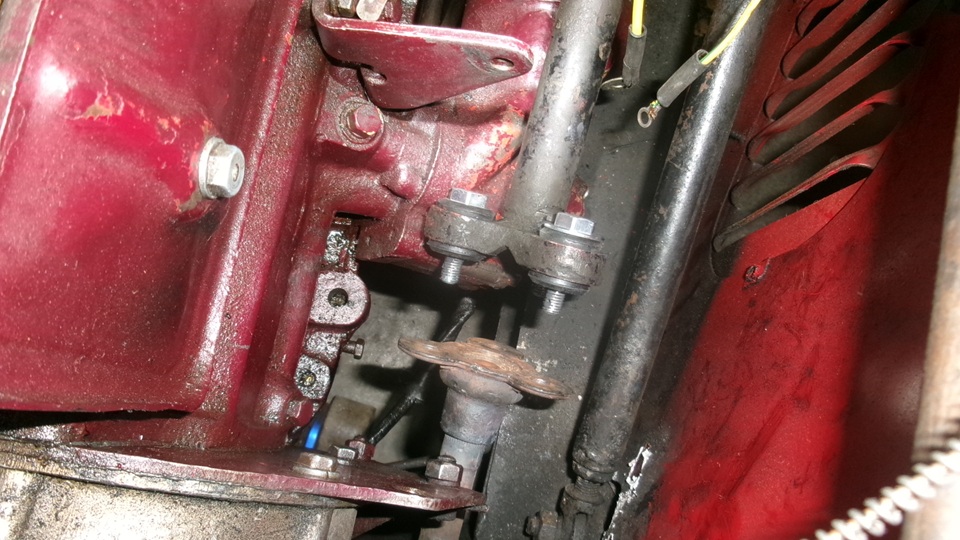
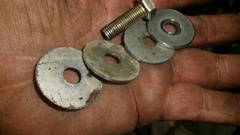
Not enough sleep, but I could get up early to hash out a quick message to the guy with the good idea about the mechanical brake light switch. That "quick" messge took five hours, finishing like a clock strike at 1;30-pm just as the parts order was delivered. Peachy, three brake hoses and a connector kit for the MG TF steering shaft coupling. Hop to it. First picture is the coupling kit parts, shoulder bolt, large washer under the head, two tapered rubber grommets face to face, and a lock nut. Show these assembled and holding the two coupling flanges together. Since the lower part of the coupling had stripped threads where the shoulder bolts should screw in to seat, I figured to build new seating surfaces.
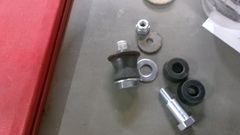
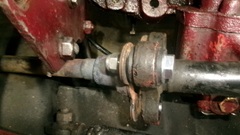
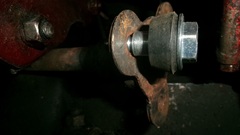
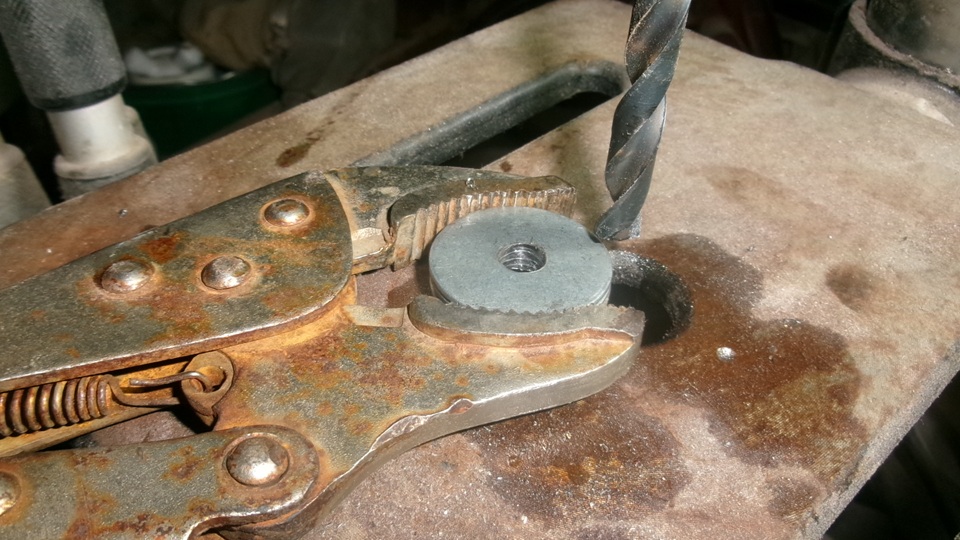
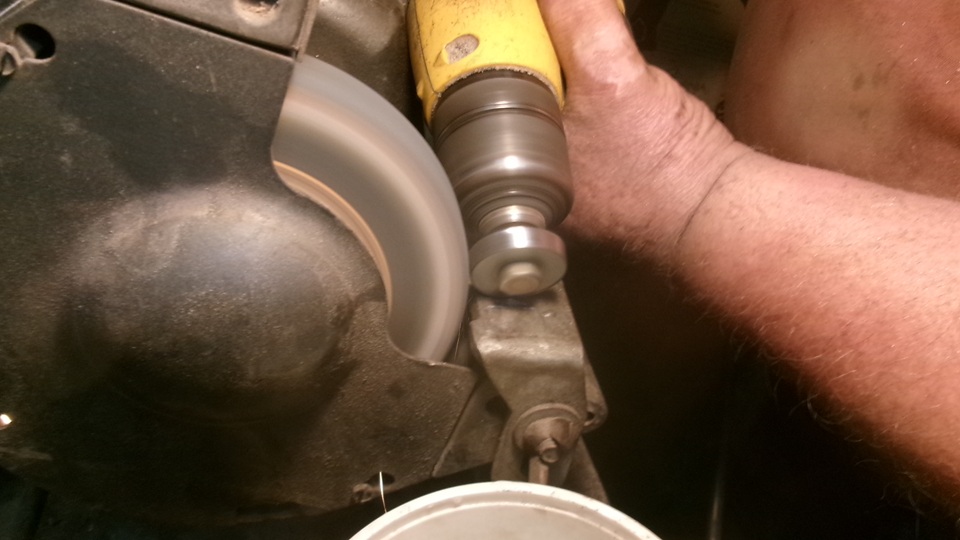
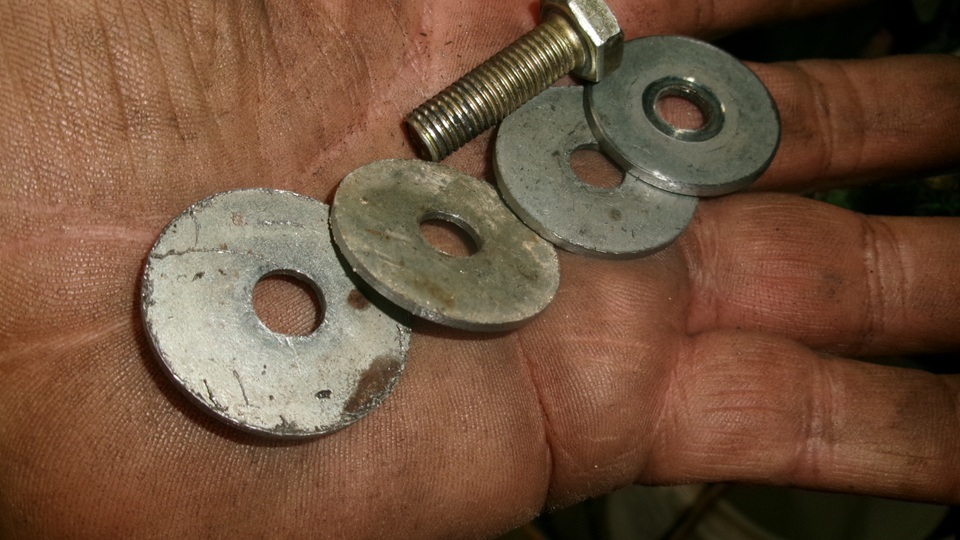
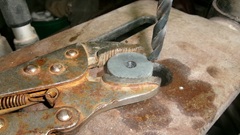
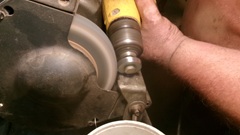
This would start with a few 1/4-inch fender washers, stacked up and drilled to exactly 5/16-inch bore through. Bolt these together on an arbor to hold in the electric drill, and grind down the OD of the stack to 1-1/8-inch diameter. Rub the new washers on 180-grit sanding belt to remove all burrs, and they were good to go.
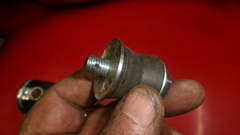
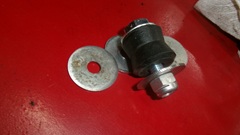
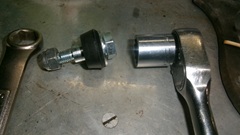
Putting this together started with a shoulder bolt with thick washer under the head, then two tapered rubber grommets, the new precision stop washer, and the locking nut. The coupling hardware kit has Whitworth standard fasteners with British Standard Fine threads, and we do not have any Whitworth wrenches. So spend some time searching for standard tools than may work with the odd hex sizes. Most inch and metric tools are too big or too small. We finally found 6-sided inch size sockets a bit oversize but fit well enough to hold the required torque. But no space for the ratchet wrench on the nut below the lower coupling flange, so that had to be a 9/16" end wrench. Unfortunately the inch size end wrench slipped on the nut when it got to high torque, and we had to switch to an 8-inch adjustable wrench (and some resulting skinned knuckles in the confined spaces).
Now a huge challenge. We intend to assemble the coupling with some JB KwikWeld to fill any gaps around the thread stripped holes in the lower coupling flange to assure the new shoulder bolts will be securely locked in place and one with the flange (as the factory intended). However, the upper flange has to be fully assembled with all this hardware (except the hex nuts) before it is pushed down into engagement with the lower flange to have the nuts installed last. And whatever JB KwikWeld will be used, that has to be all in place before the final mating. And there will be limited time to work with all these parts before the epoxy will set up too stiff to work with. What could go wrong? Six minute pot life for the JB KwikWeld that's what. Navigator thought it couldn't be done. I said we don't have any other choice so set the beer down and get your hands ready, and several minutes chat and planning about the upcoming sequence of events.
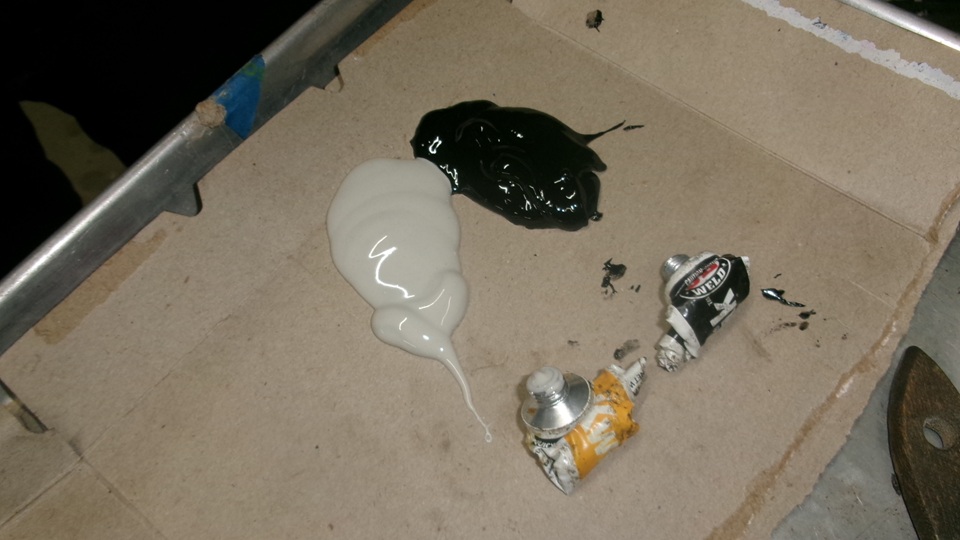
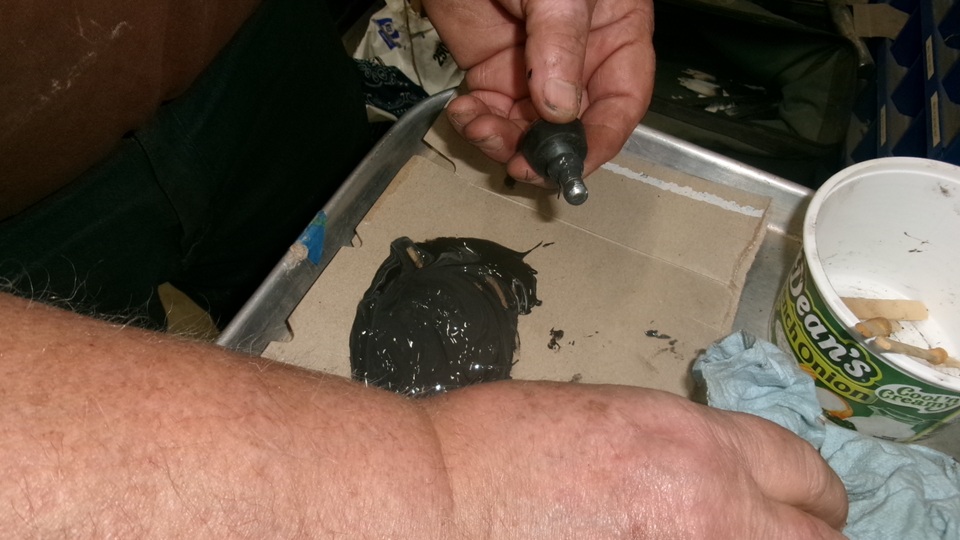
We squeezed out two small tubes of JB KwikWeld and Hardener, and start the clock when I start mixing. One minute to mix a large glob of goop, dip a stick, and start slathering the goop with fingers where it had to go, quickly. Starting with a shoulder bolt with washer under the head and one rubber grommet, slather some JB KwikWeld into the thread undercut at the shoulder, poke it through the upper coupling mouse ear hole, insert other half of tapered rubber grommet from other side, fill the resulting cavity in the grommet around the shoulder bolt with more JB, add one of the thin fender washers, slather more JB in a fillet on the washer around the exposed screw threads. Repeat all this three times for the three shoulder bolts in quick succession with rubber grommets and thin washers.
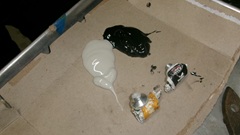
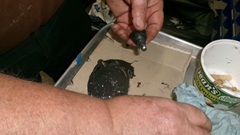
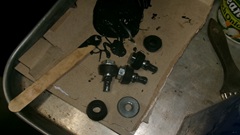
Slather more JB KwikWeld into the three stripped thread holes in lower half of the coupling before pushing the upper steering column down to engage the threaded ends of the shoulder bolts into the lower coupling. Slather more JB around the male threads to finish filling the space inside of the stripped threads. Then as quickly as possible, squeeze it all together like a Dagwood Special sandwich and screw the three all-steel prevailing torque locking nuts onto the threaded ends of the shoulder bolts, followed by tightening all the nuts and shoulder bolts (all in a cramped space of course). Six minutes on we were fighting the ever thickening putty while squeezing the coupling stack with huge Channellock pliers, and getting the hex nuts to start threading onto the shoulder bolts. For a while we were thinking Navi might be right (impossible to do), but persistence and lots of swearing to keep things moving finally paid off. In spite of skinned knuckles in tight quarters, the bolts were finally tight on the shoulders with rubber bushings properly compressed. Then spend a few minutes scraping away excess hardening JB KwikWeld that had oozed out of every crack and joint, and throw out the half of the hardening goop that was still on the table.
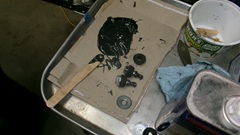
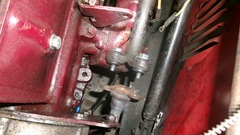
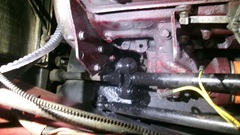
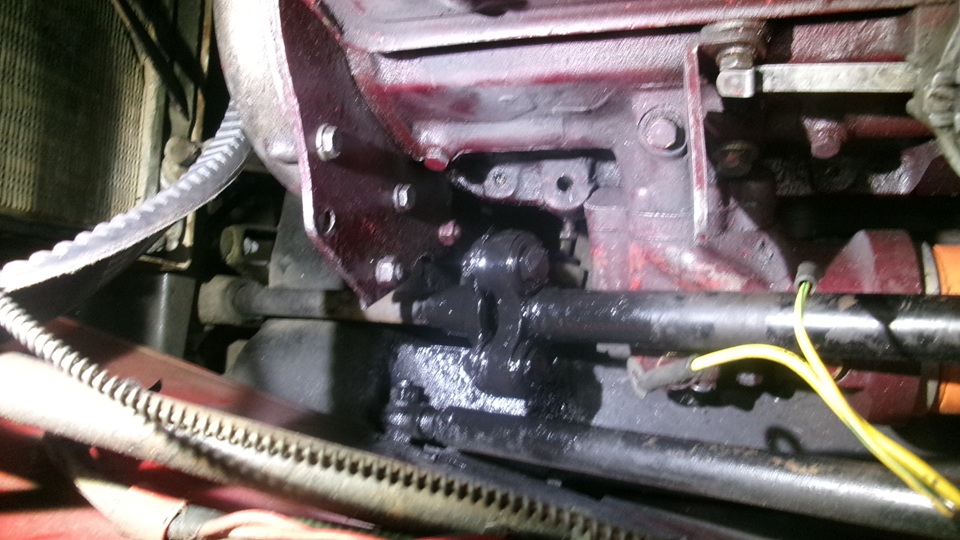
In the end, tall hex heads of the shoulder bolts stuck out far enough to graze the side of the oil pump on the engine block, and bump three times with every revolution of the steering wheel. Navi said, "You can't drive like that", and of course he was right. Just as he was talking about having to disassemble the whole works to clean off the JB KwikWeld and do it all over again, I just said, "Don't be such a pessimist, and watch my smoke". I grabbed an angle grinder with a 4-ich flap wheel, and spent about six seconds to grind one corner off the hex head of each shoulder bolt, maybe 30 seconds total, after which the steering spun freely with no interference. We Win. Still a little daylight, so roll the car out, stuff some cardboard between the steering coupling and engine, and spray some black paint on the new coupling as it was rotated, just to make it look nice. Then we had time for clean up and putting tools away, and nuke something for dinner as we can sit down to relax.
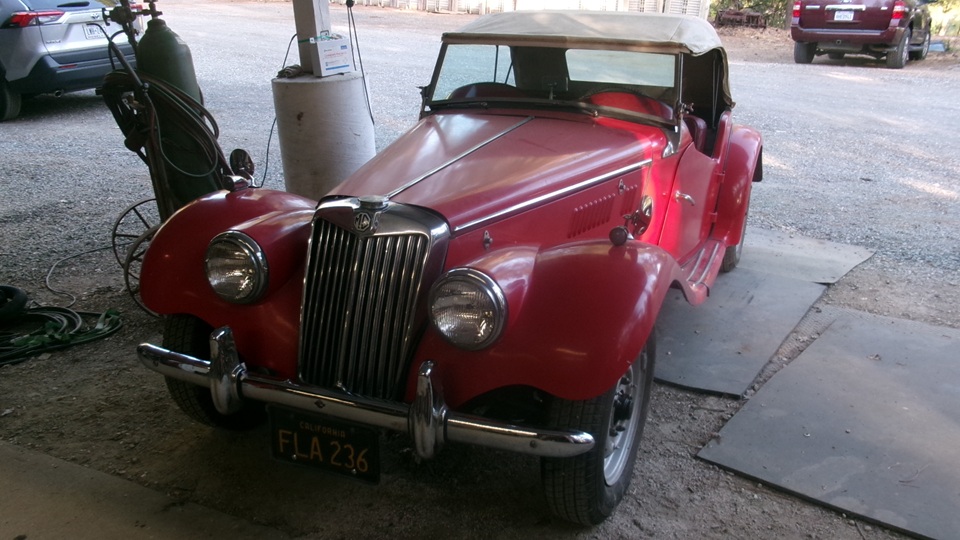
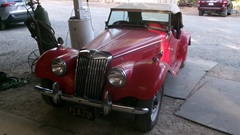 Odd surprise, right about sun down the car's owner dropped by to have look at our handiwork, and get a full run down of everything we were doing with this car in the past few weeks. Bonnet up, doors open, walk around to scratch and sniff. She was of course very happy, but we still need to reinstall the generator and change out three brake hoses and bleed the brakes (tomorrow morning of course). And then there was "You know the screen wipers don't work very well, and there 's a little fuel drip from one of the carburetors", followed by a discussion about SAD MGs (Seasonal Affective Disorder). We need some sleep.
Thursday, July 2, 2026:
Sleep in till 8, but things to do. Bottling day at the winery, so stay out of the way there. Catching up with photos and notes from the past couple of days, and suddenly half past noon, and I need a late breakfast before getting the MG TF back inside for more work. This time we can drive it in, because the steering and brakes work. Yesterday's paint on the steering coupling is dry to the touch, no problem.
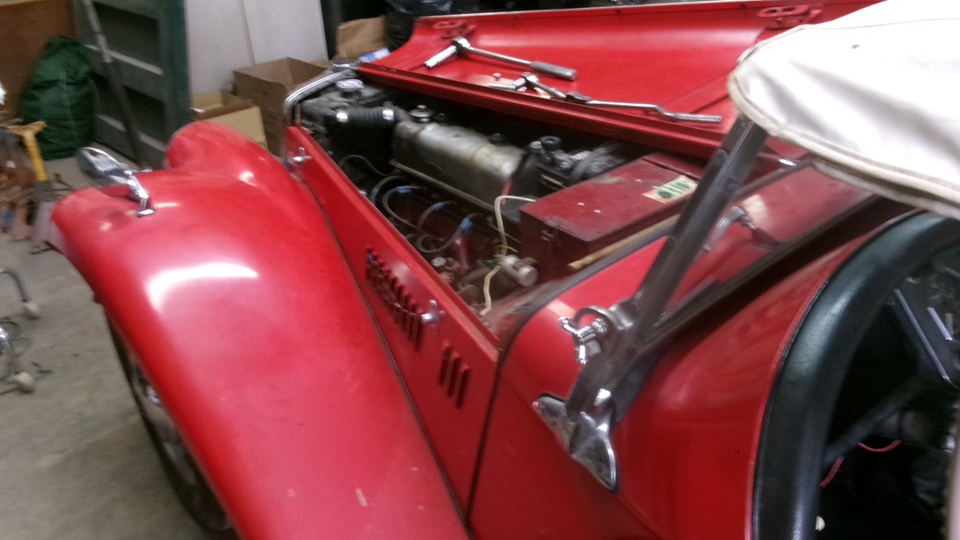
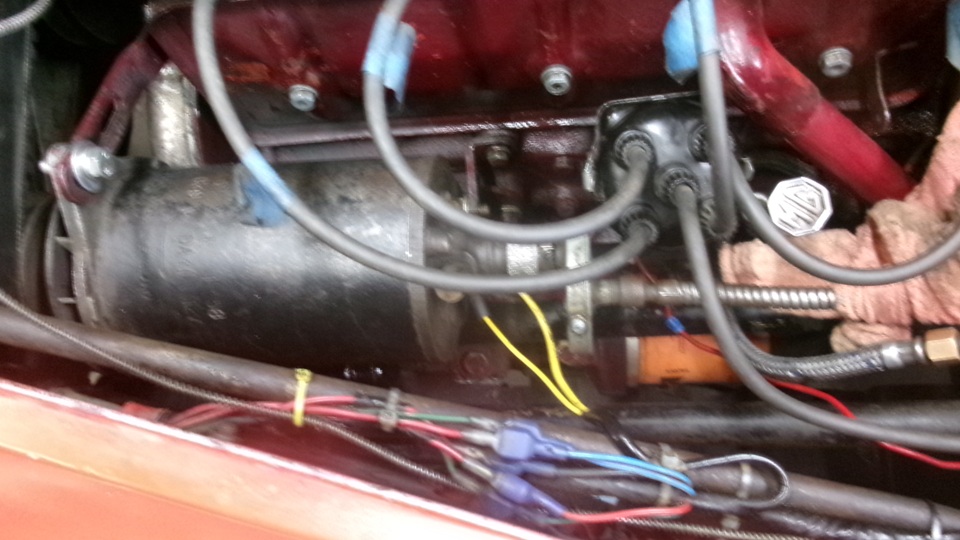
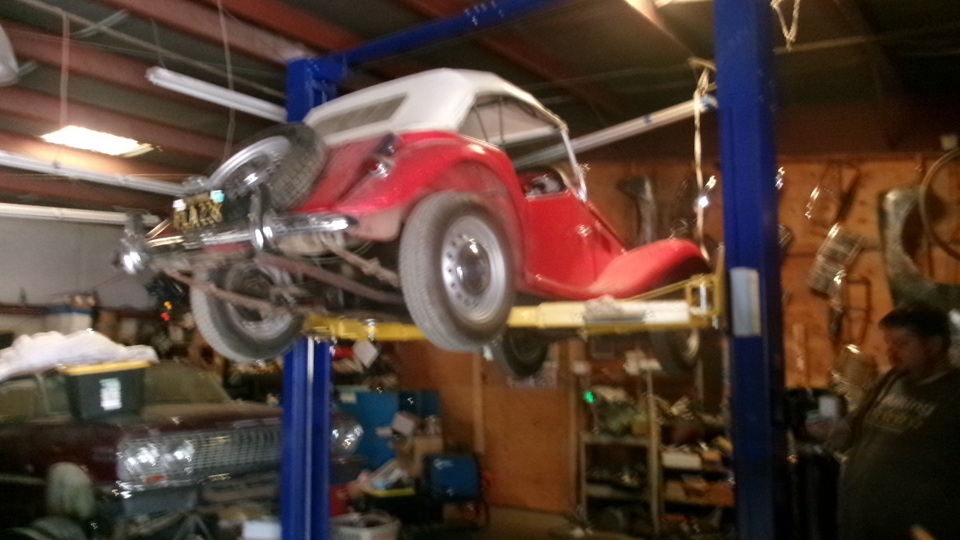
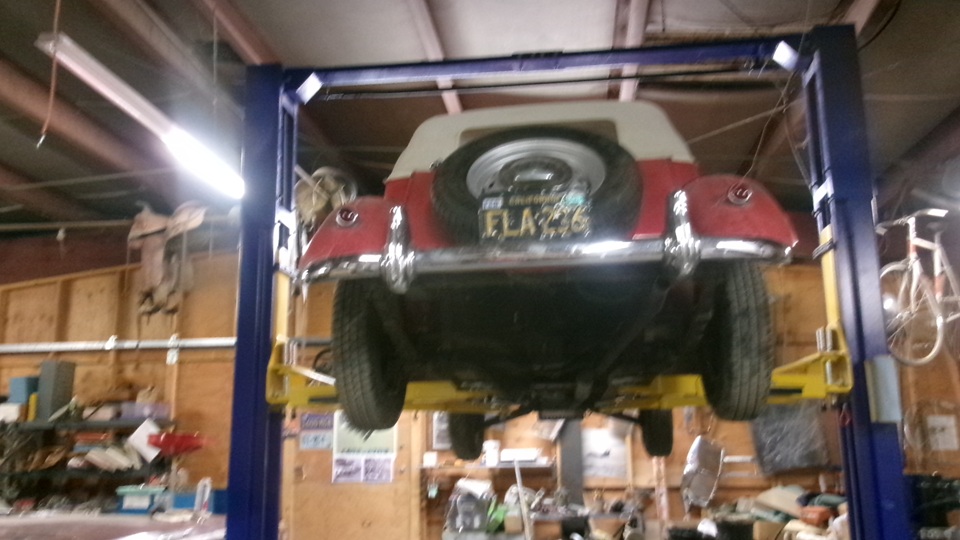
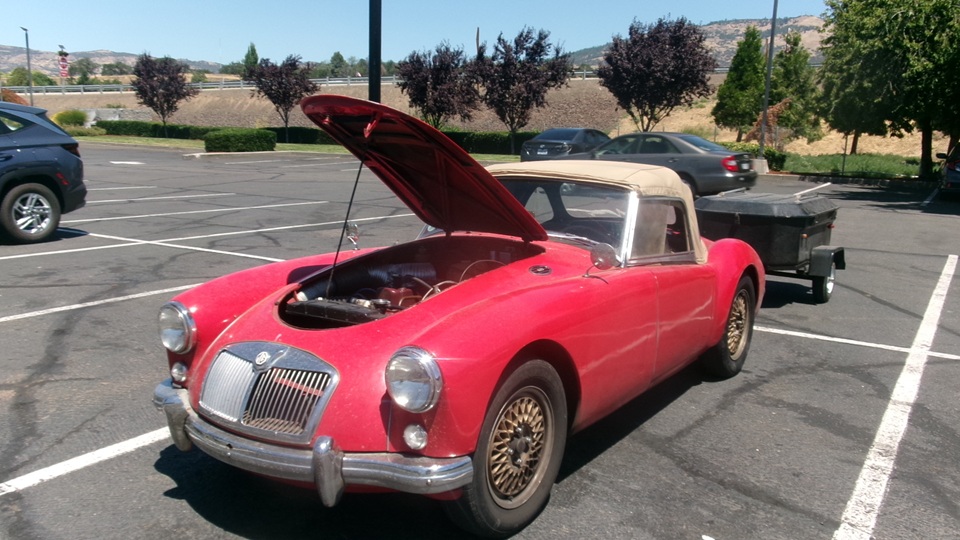
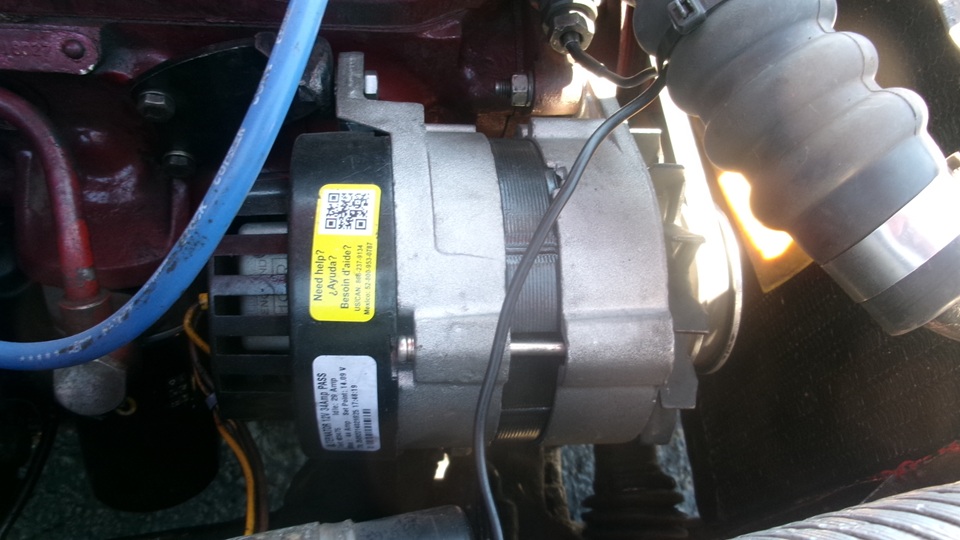
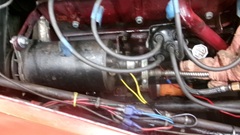
Not too long to install the generator, except the little people who designed and built this car had to be masochists. Get the wide fan belt onto the crankshaft and water pump pulleys. Set the generator in place, leaning outboard, to install two pivot bolts underneath, with bolt heads in front, lockwasher and hex nut at rear, and finger tighten those two. Pivot the generator full inboard against the engine to load the belt onto the generator pulley.then pull the generator outboard to tension the belt. Fold down the adjuster link on top in front to install the generator top bolt with flat washer to span the bracket slot, and lockwasher under the bolt head. Pull or pry generator outboard to tension the belt, and tighten the top adjuster bolt. Then the fun one, tightening the lower front bolt. Using a long ratchet handle and 1/2-inch deep well socket, reach behind the radiator, in front of the fan belt, with the deep socked nested against inside run of the fan belt, directly under the generator fan and pulley. From behind and underneath, use a shorter ratchet handle with medium length extension and 1/2-inch socket. This can be aligned close enough to tighten the lower front bolt. For the lower rear bolt, same ratchet with short extension and 1/2-inch socket, while reaching underneath with an end wrench to hold that bolt head. It helps to have done this at least once before, or remember the tools you used to take it apart. Attach two wires for Dynamo and Field control terminals, and connect the tachometer drive speed reducer to back end of the generator. Re-install distributor cap with HT wires, and ti-wrap the temperature sensor pipe to the left side radiator brace tube. Switch on, fuel pressure up, push button to start, see ignition lamp go out when revved up a bit, and back it out off the shop. Clear the space, and bring the car back in with a hard right turn to center it up and get it on the hoist for the next job.
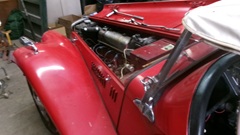
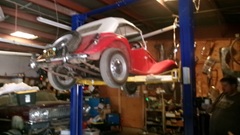
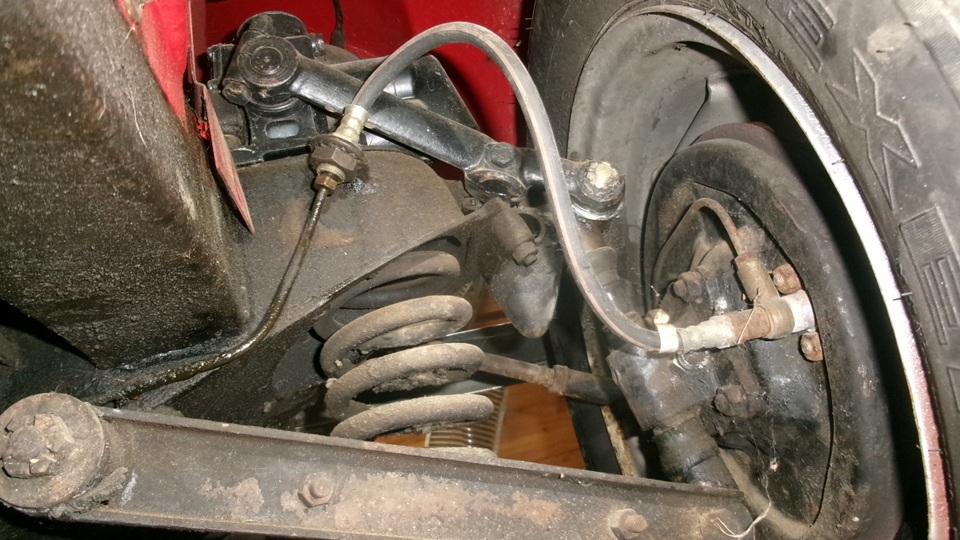
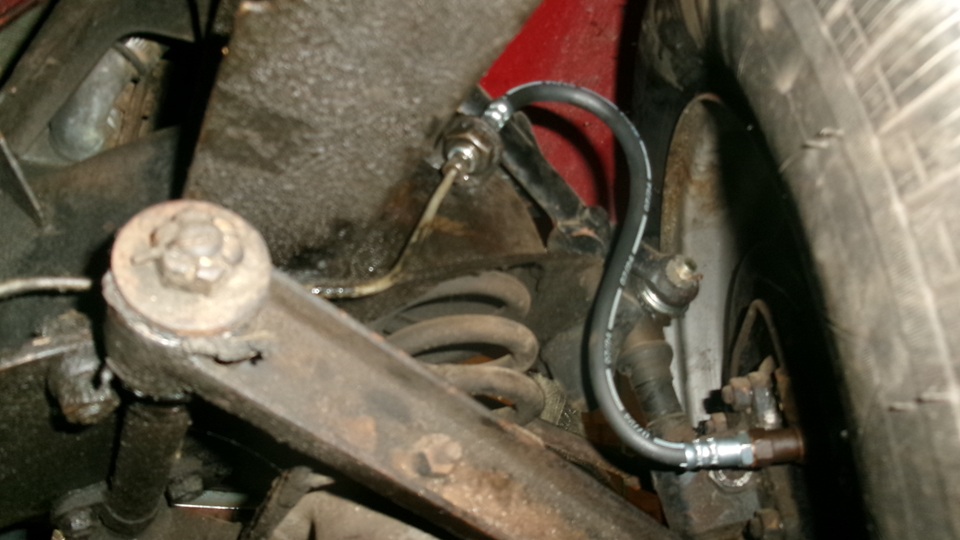
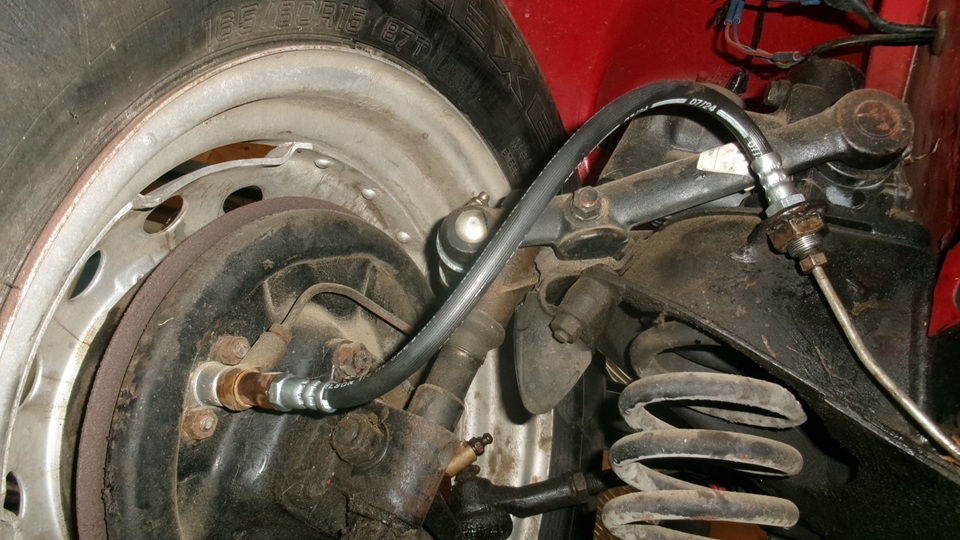
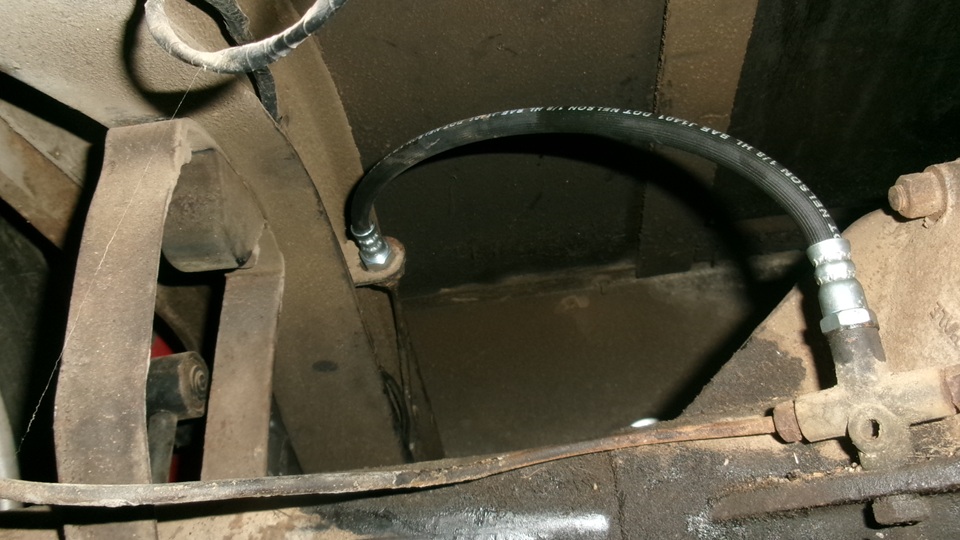
Time to change three brake hoses, starting with right front. Unscrew the inboard end pipe first, and remove large nut and lockwasher to disconnect the hose from frame bracket. Then unscrew the hose outboard end. Thus is when we discovered the hard way that there is a banjo adapter that came out with the hose, dropping two copper seal washers. For a while we thought we had received the wrong hoses, but then took the old one to tee vice to unscrew hose from the adapter, and put the adapter back in the car. Not long then to install the new hose, and get on to the other side.
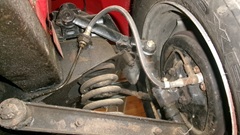
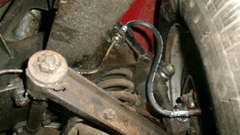
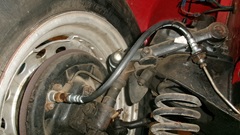
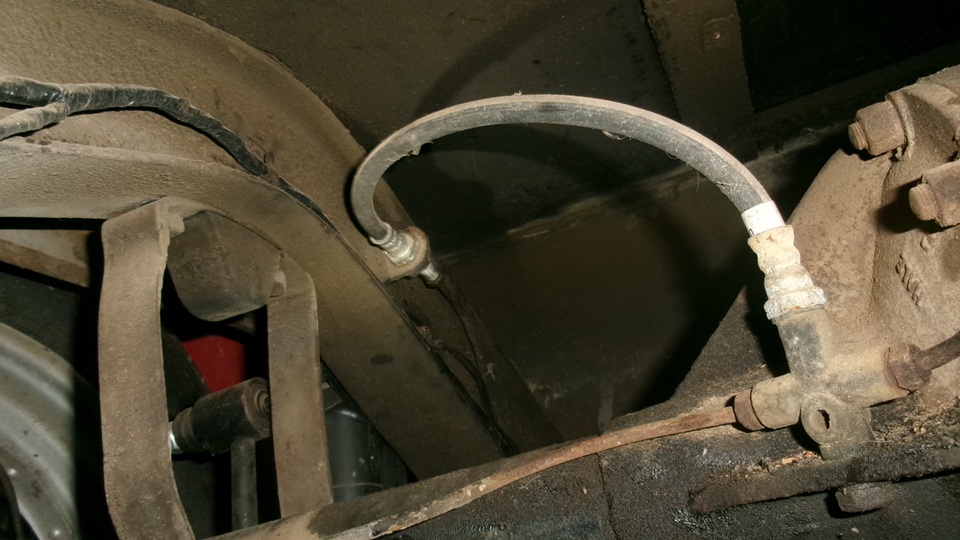
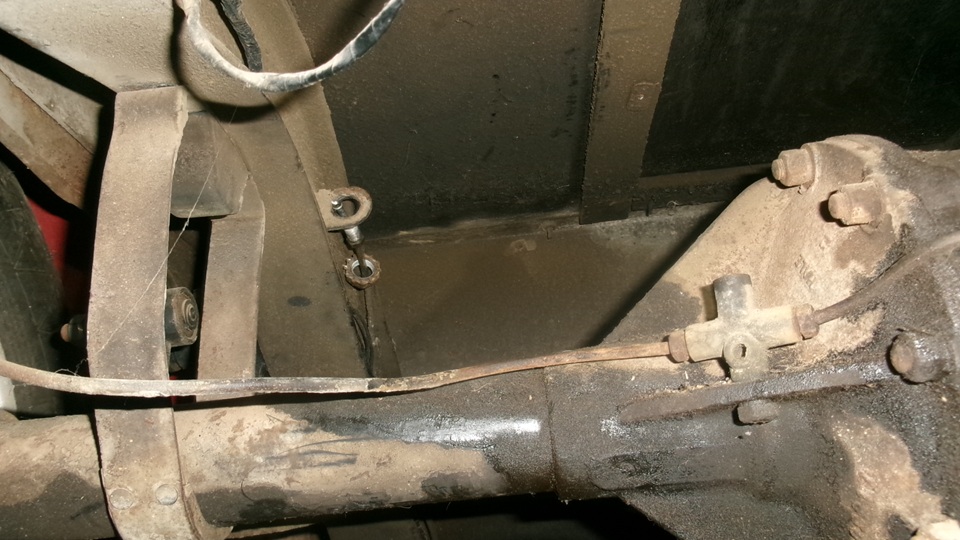
After the left front, moving on the the rear hose. Again, disconnect the pipe first, then dismount hose from frame bracket, and then unscrew the hose from the rear axle 3-way fitting. Piece of cake. Reassembly is the reverse of disassembly.
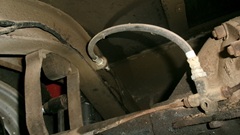
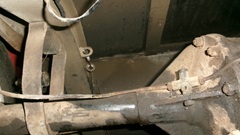
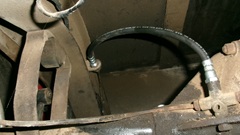
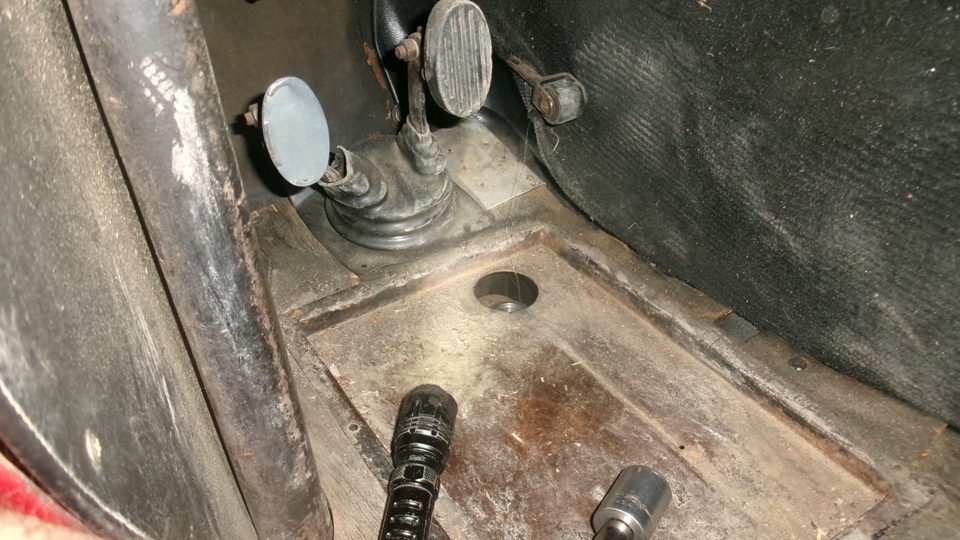
All that's left is to bleed the brakes, tight? Remove plug from top of master cylinder under the floor, check brake fluid type (yellow stuff that mixes with water is glycol based DOT3 or DOT4). Top up the reservoir, and bleed air out of the lines at four corners, beginning farthest from the master cylinder and working closer. Keep it topped up, not to run it empty, and we only had to go around once to get short pedal travel and firm brake pedal. Then there was another problem that killed another hour after dark. After a firm step on the pedal, the front brakes were dragging again, especially the right front. Bummer.
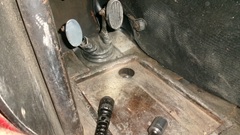
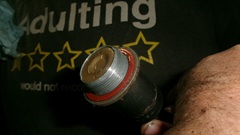
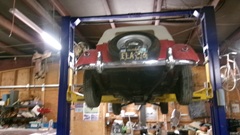
With another hour of investigation and diagnostic work, it is determined that all of the hydraulic system is good, except three of the four front wheel slave cylinders are dragging enough to prevent the springs from returning the shoes to rest. I don't recall ever seeing this issue before with front drum brakes. Usually they either work or they leak.but front slave cylinders do not normally stick when extended. Disc brake calipers can do that when their piston seals get old and stick.On a budget, try honing the slave cylinders and installing repacking kits. Otherwise put new front slave cylinders on the shopping list. Also when installing the generator, and tensioning the fan belt, we found the water pump bearings loose with the fan blade, pulley and shaft wobbling too much. Still functional for now, not leaking yet, but this is a pending future failure, so add a water pump rebuild or replacement to the parts and work list.
Late night run down the hill for sandwiches and sodas, followed by posting photos and notes for the day, and dang it was 3-am before snooze time.
Friday, July 3, 2026:
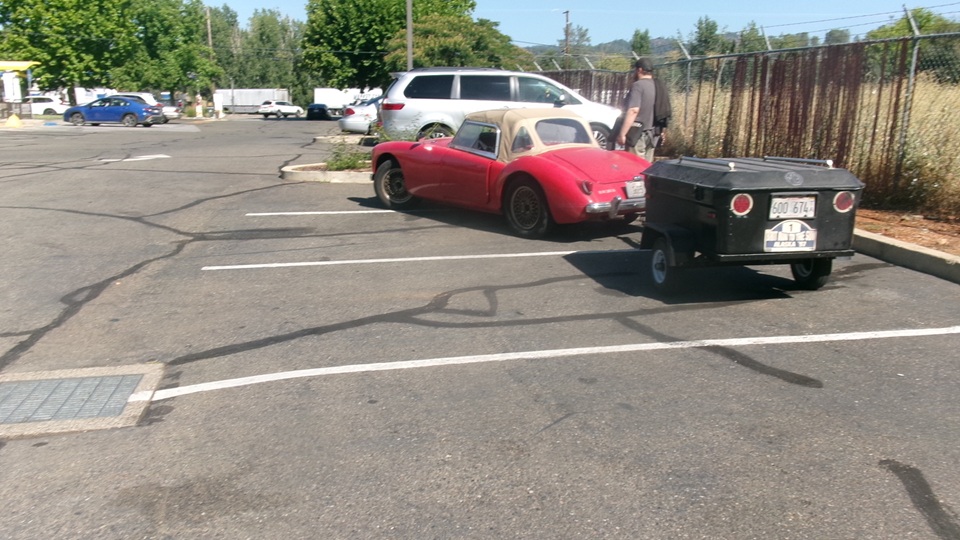
Slept in till 9. Then making an order list for the needed MG TF parts. For now the car will get out of the shop and park next door at Stu's sisters place to be out of the way. Just enough snacks for breakfast, and the larder is empty as planned. Cleaning up, putting tools away, packing all of our stuff back into the Magic Trailer to be hitting the road again. Next appointment is in southwest Oregon a few days hence. Full sun in mid afternoon, not great for driving at lower altitude. And we have a couple packs of Ramen noodles left,so might as well cook those up while we wait for lower sun. All good things must come to an end? Finally leaving Brice Station Vineyards at 6-pm, good to be on the road again.
Roll it down the hill12 miles to Angels Camp, hang a right and down hill more to San Andreas. Hang a left and down some more through Valley Springs, and one slight jog before fuel stop at Collierville. So far only 50 miles, but we lost 4000 feet of elevation. now on the east side of the central valley. Turn north onto CA-9 for 40 miles where we catch I-5 north to blow right through Sacramento. Another 60 miles including half an hour of stop and crawl past a dead vehicle blocking the road, to stop at Love's Travel Center in Williams CA at 9:30-pm. 24-hour truck stop, this should be good for late dinner and rest, except the restaurant closed and tossed uo out by 10:30. Bummer. Catch some sleep,and we'll get out of here in the morning.
Saturday, July 4, 2026:
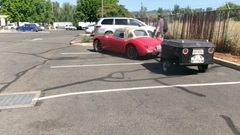
Need to put some mines on today, so get out early and head north on I-5 for two hours. Fuel stop and Breakfast at McD in Shasta Lake, CA by 9:30-am. Single drive-thru lane, blocking the entrance gate while queuing cars in the street. One 2-way lane in the car park, including cross-over for exiting drive-thru cars, dead end with no turn-around at the end, so back the trailer into a parking space to turn around.Short parking spaces for compact cars only, so a crew-cab p/u truck or little trailer would stick out 6-feet into the traffic lane. Only choice is to park sideways taking up three spaces-- Not a friendly business either. Yes WiFi but no power outlet, so we have to be out before the computer batteries go dead. Ready to leave at 11:30, but they refuse to refill the sodas. Not Paying another $4 on top of the $21 breakfast just to get refills, so we leave with empty cups and no drinks in the door packets, making notes not to ever come back.
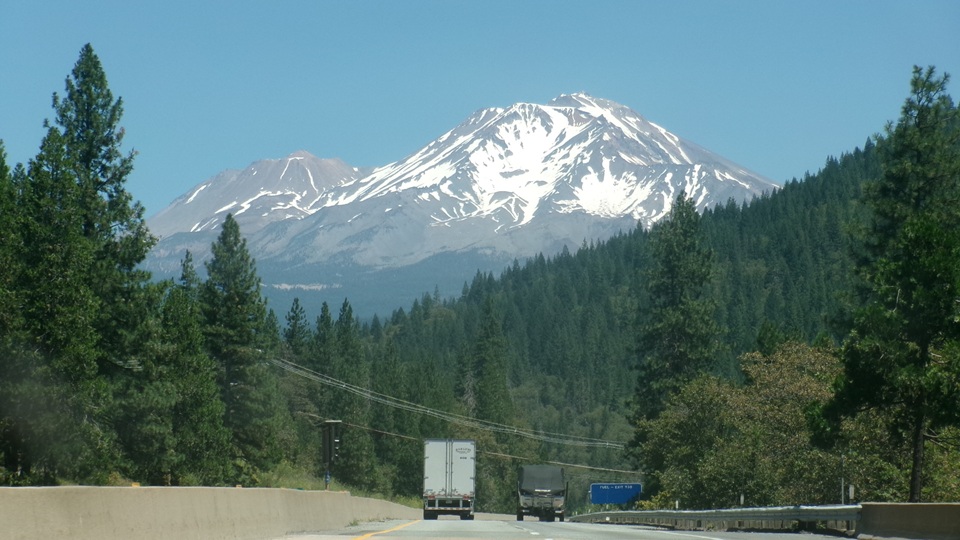
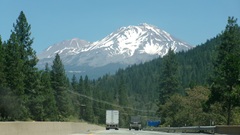
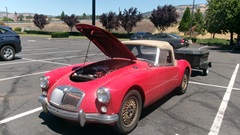
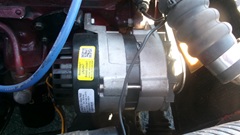
Heading north with full tank, thinking about unfriendly services in California. When we get within half an hour of destination we will start checking out every McD to see if there might be one friendly one we could come back to after our appointment. Nice scenery in northern California and southern Oregon. Out of the valley and a few thousand feet up the mountains gain, 137 miles in two hours, stop in Medford (Phoenix), Oregon. Something rattling under the bonnet, sounds like the fan on the alternator. Park it with bonnet up to cool down while we check out the McD. Yes power outlet, so now charging, but the WiFi doesn't work, and locks on the rest room doors. Not staying long anyway, so order two LARGE sodas, and ask before paying, also refusing to do refills, so we won't order lunch here. After processing a few photos and notes (locally), with batteries fully charged, transfer second half of the sodas into out door pocket containers.The jingling noise under the bonnet was banished by bending alternator fan blades back a bit with a big screwdriver, and we were on our way again.
Next stop to check out McD in central Point, (Oregon), no wall outlet, and locks on the rest room doors, move on. -- Another half hour on we overshot our appointment by a few miles to check out the McD nearest to our friends. Yes power, and the WiFi works, so we stay for late lunch.
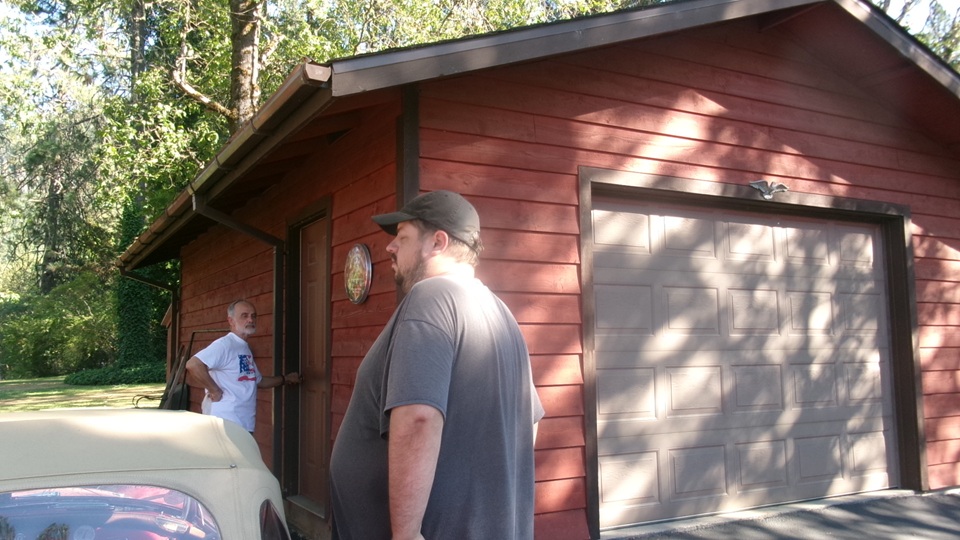
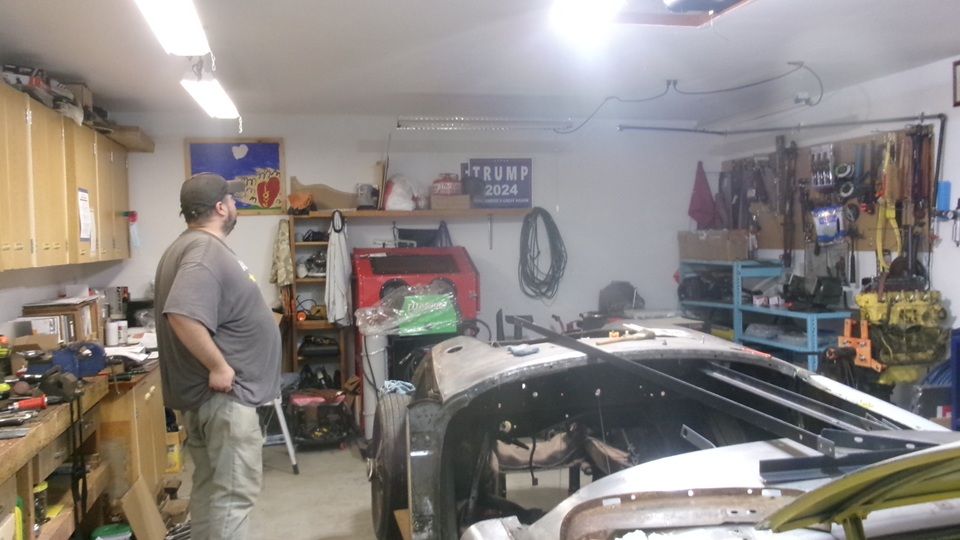
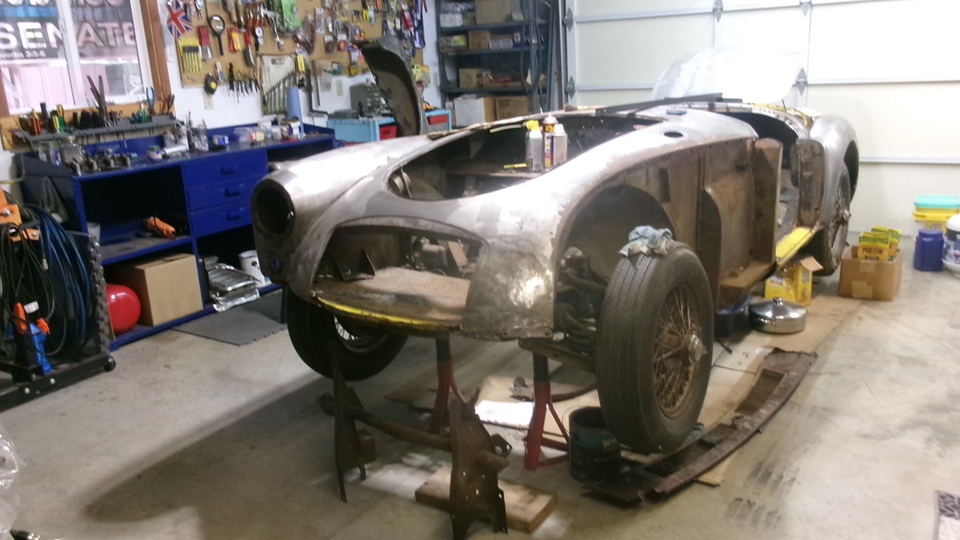
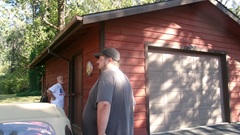
Then on to visit our friends Bill & Terry Lasniewski in Grants Pass, Oregon. Say Hi to Bill, and immediately know he has his priorities in order when the MGA project car has its own workshop space.

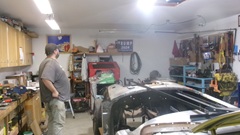
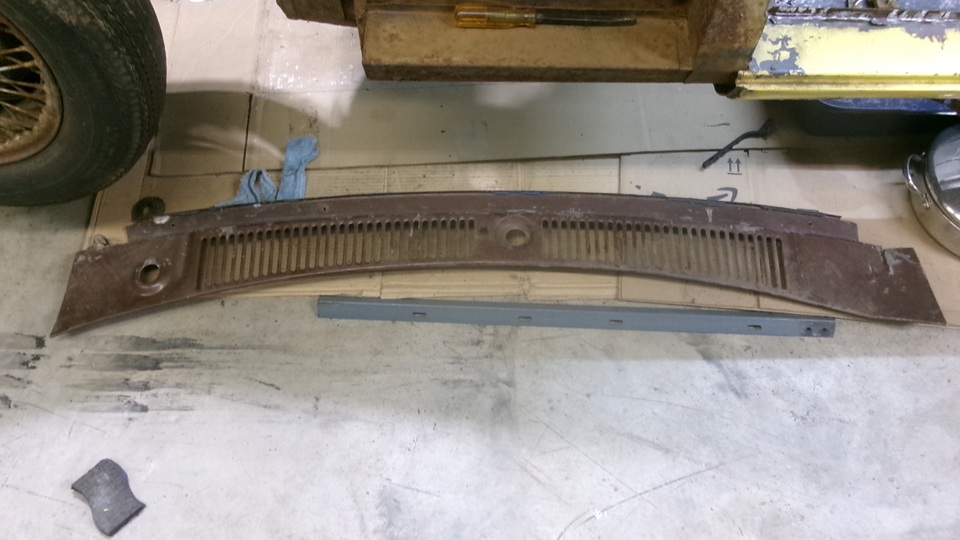
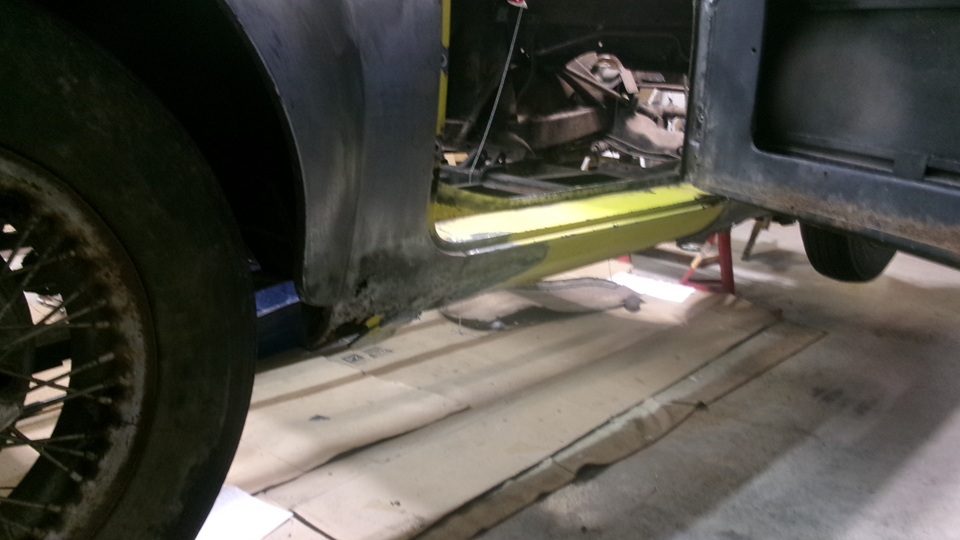
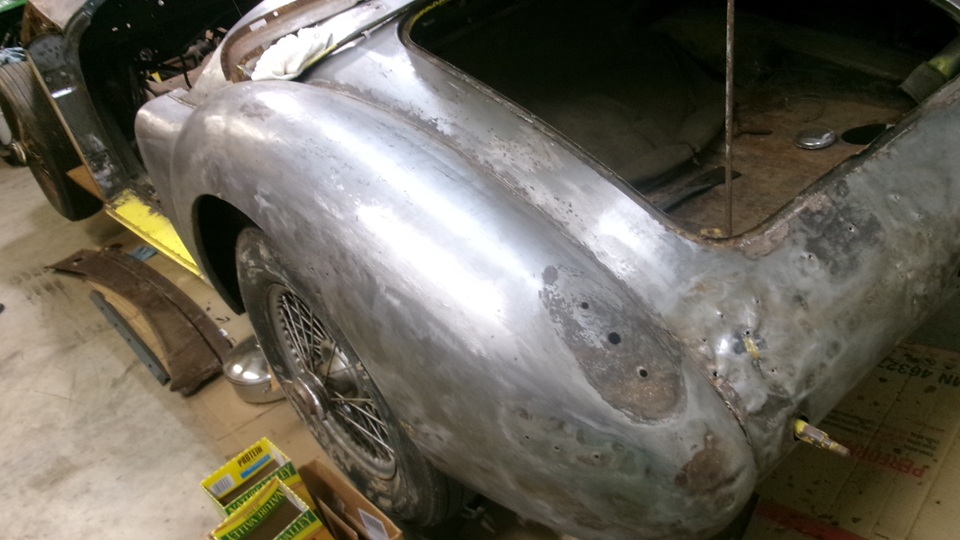
Restoration is slow and gradual as time allows, but it does keep progressing. The car had a nasty shunt on the right front, now cut and mostly straight. One mystery part, looks like air intake cowling from MGB (maybe), no idea why that is here. Right side dogleg smashed, rear end of rocker panel cut and squeezed and welded back together, filled with an inch of Bondo (in a past life), soon for cut and weld as proper repair.
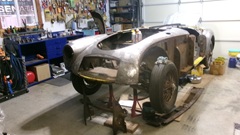
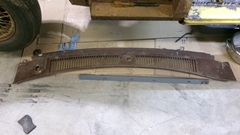
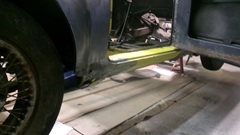
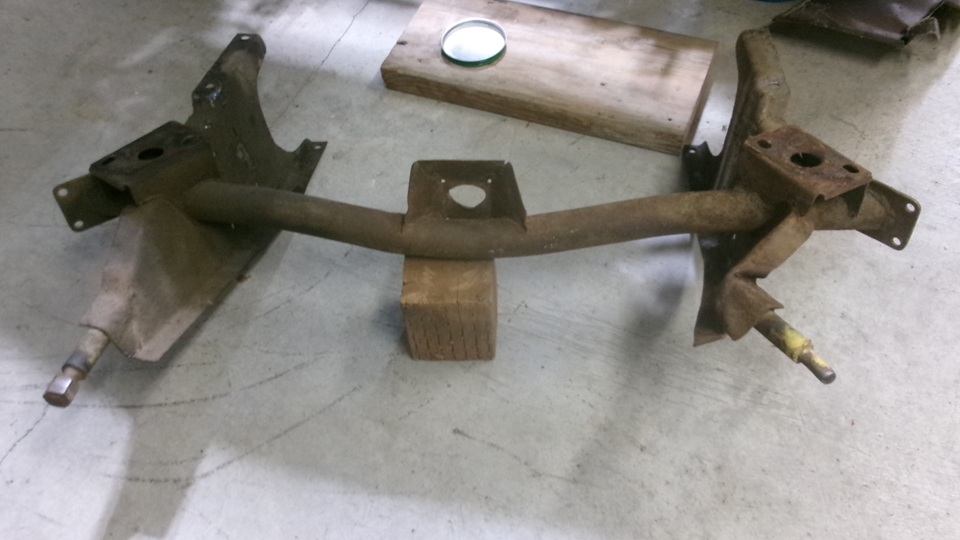
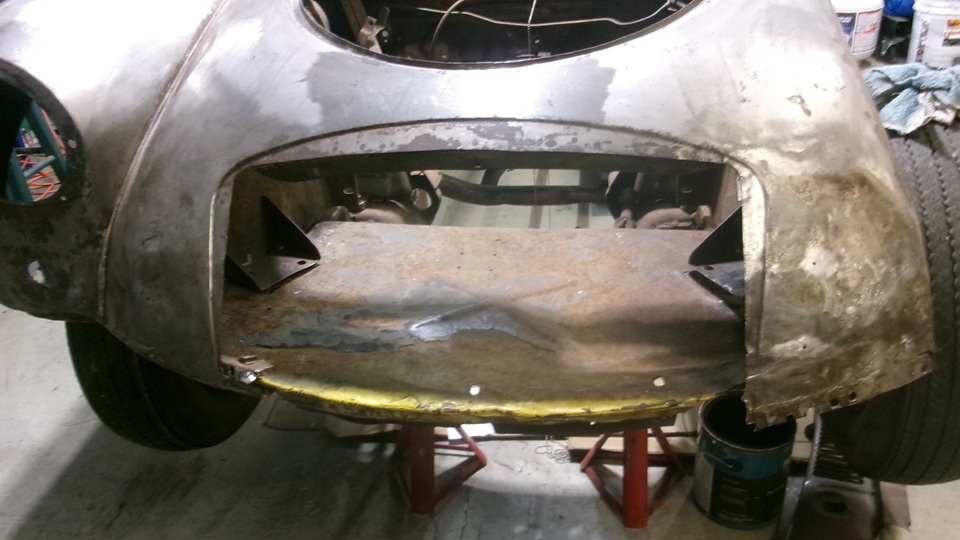
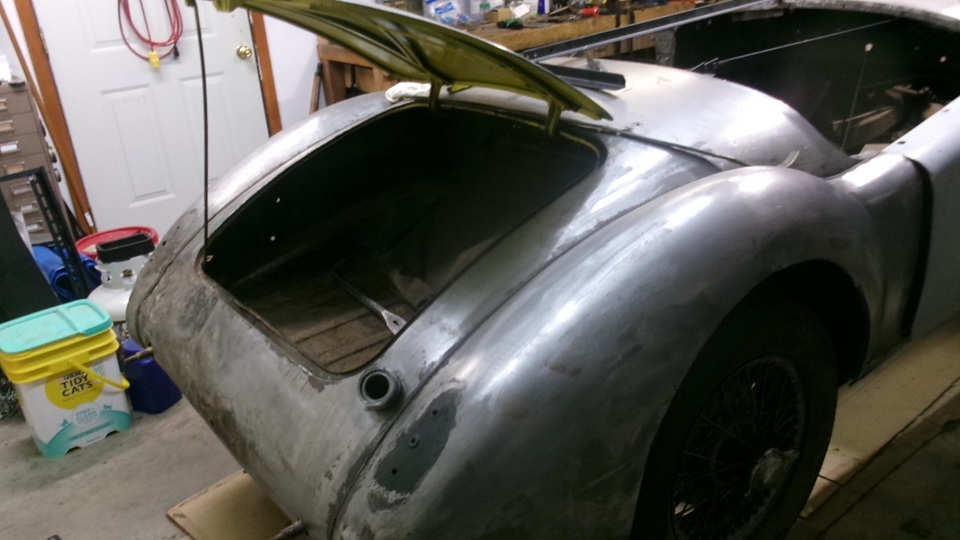
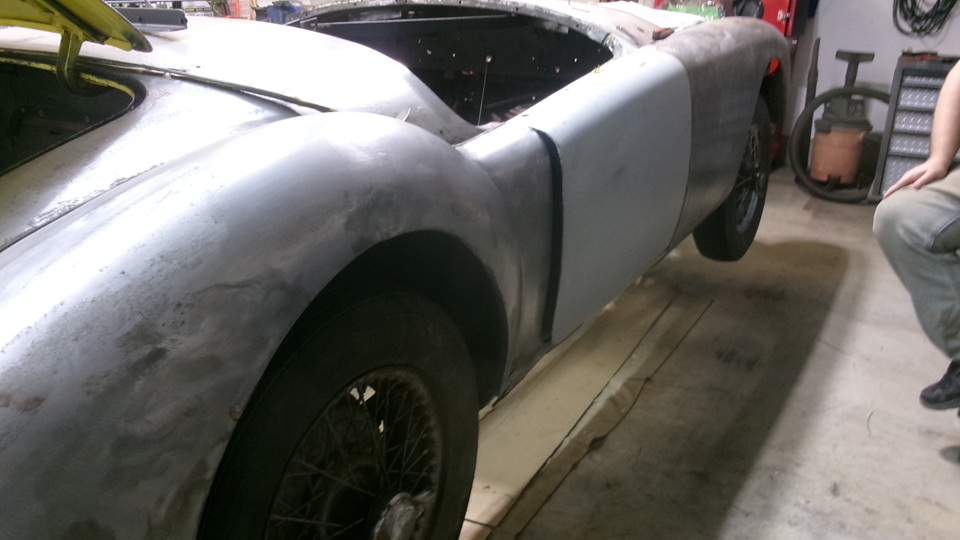
Front frame extension needs left side bumper horn straightening and welding,but not too bad to fix. Air pan removed pending installation of a new part. Around to the back, by now noting that paint and Bondo long since removed, and bare metal mostly back to near correct contour.
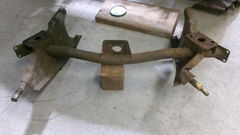
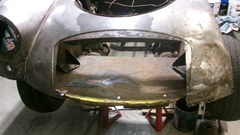
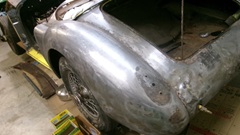
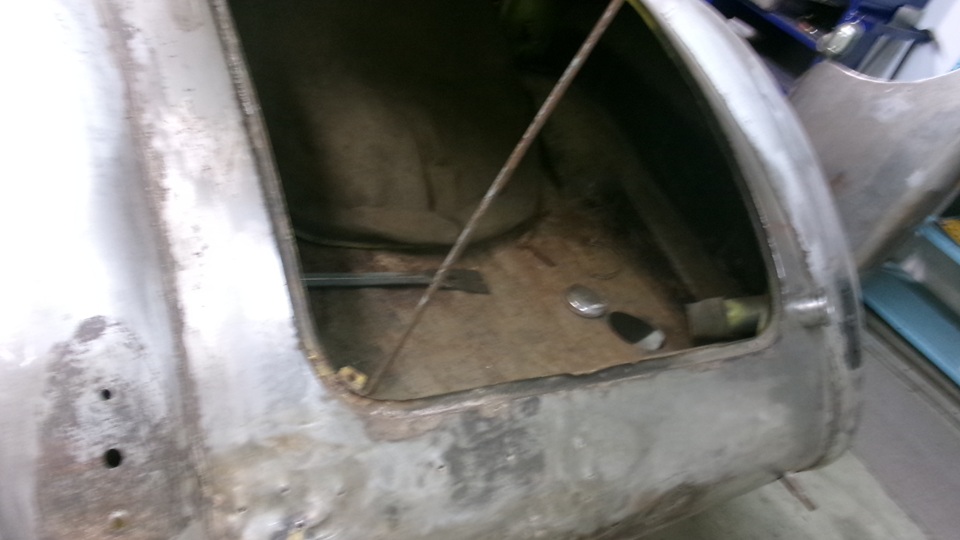
The boot floor and chassis frame have surface rust, not much perforation, not much repair required, mostly needs clean and paint. Certainly more work ahead, but it will come out okay in the end.
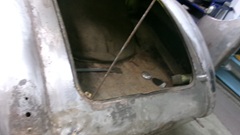
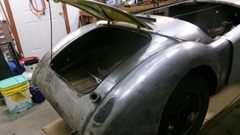
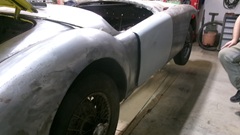
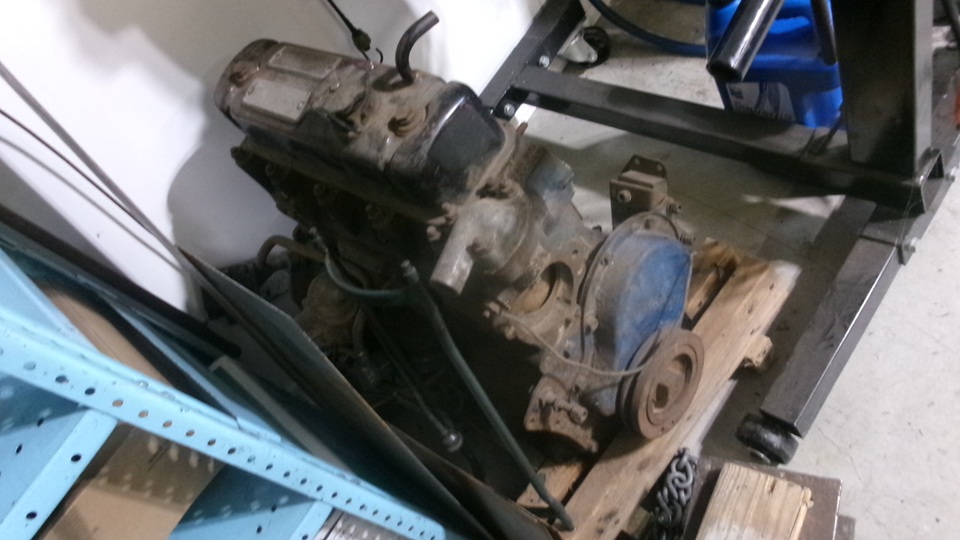
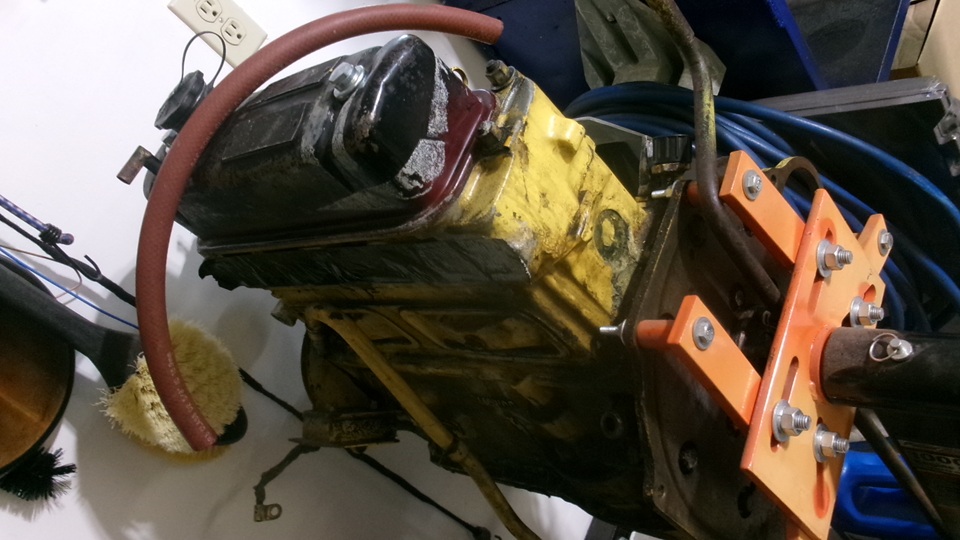
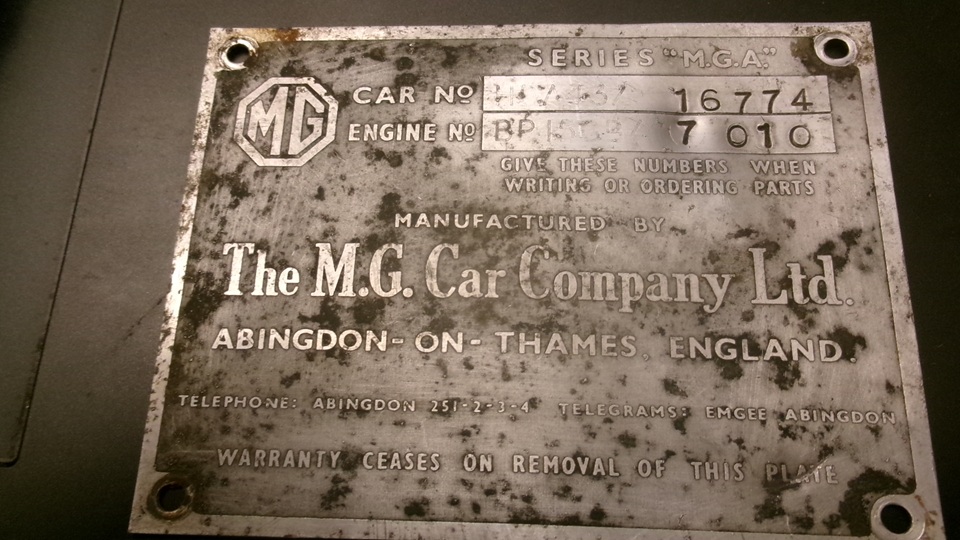
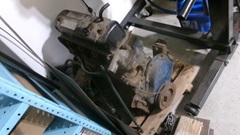
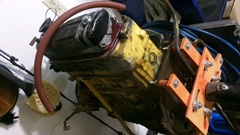
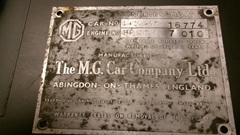
Early MGB 3-main-bearing engine came with the car, frozen, rusted cylinders, needs to be disassembled for rebuild, but now may be spare. A proper MGA 1500 engine that turns, going to be resident in the car, may be slightly later manufacture date, but will be good once the original engine number tag is affixed, Original Car No. plate tells the right story for chassis number and engine number and production date. Mid 1956 production, near end of 1st generation gearbox, and should have early style dash instruments. Lots to chat about, running into late night, we will take this up again in the morning.
Sunday, July 5, 2026:
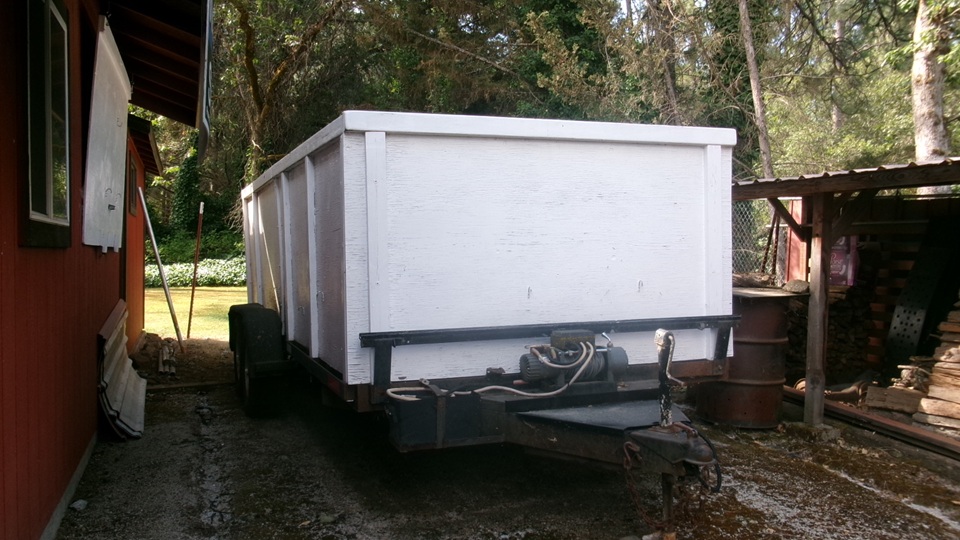
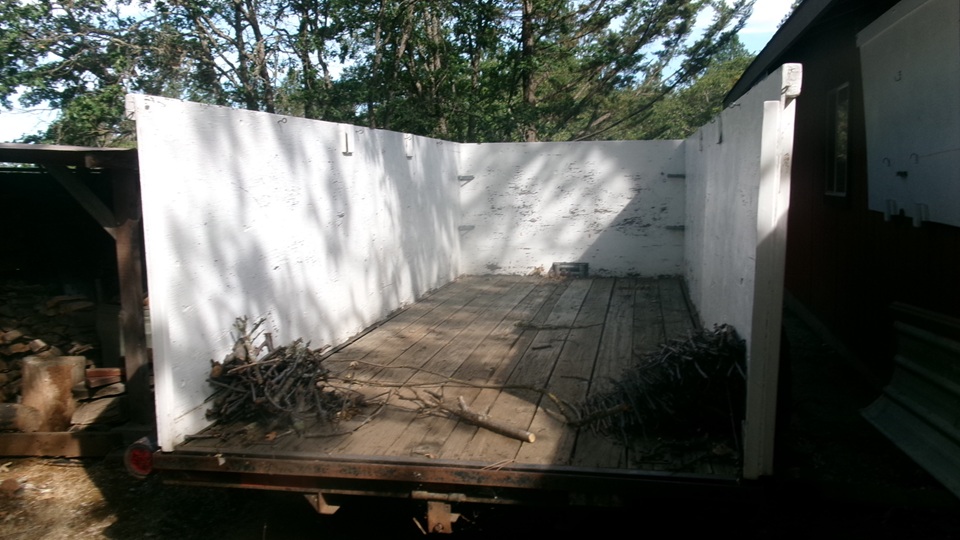
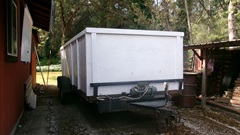
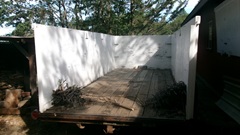
Up for breakfast, and finishing yesterday's photos and notes. Then back to the shop to check out more parts. But first look at Bill's utility trailer, which is large enough to load and carry a Little British Car (and almost anything else). Looks a lot like a more common flat bed trailer with taller side boards, and it has an electric winch.
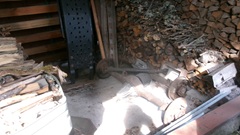
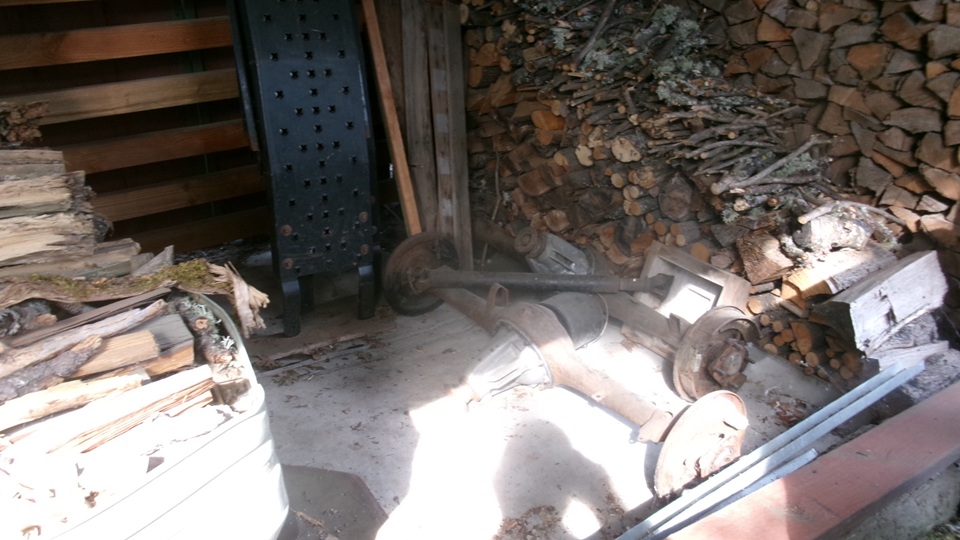
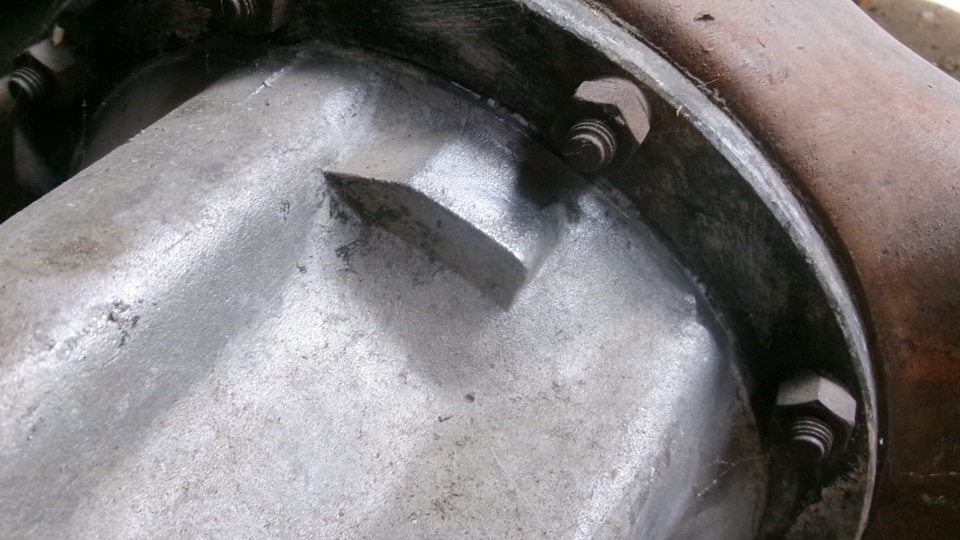
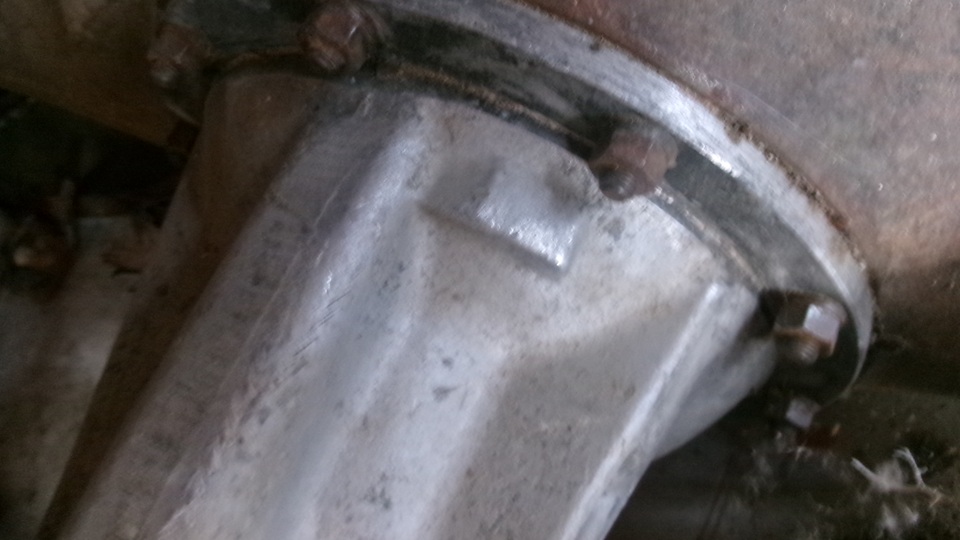
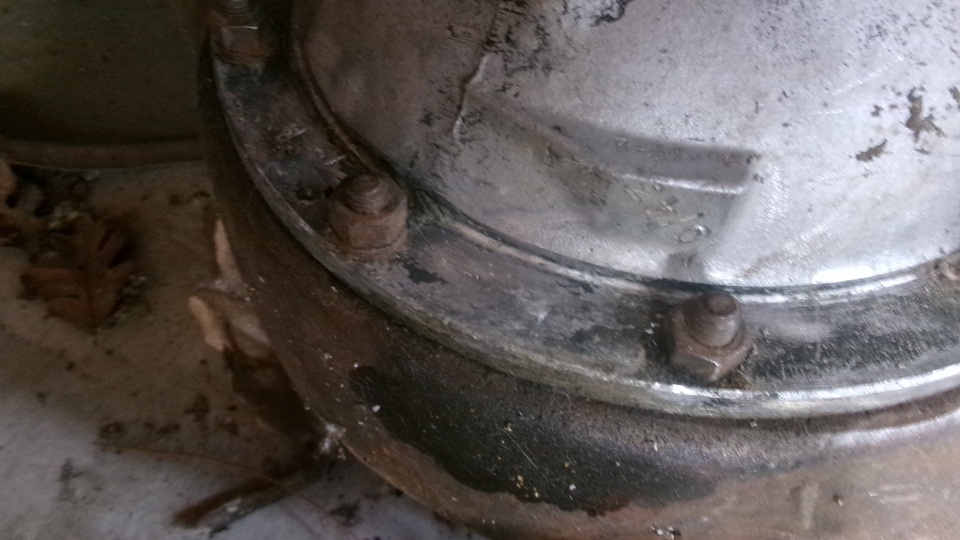
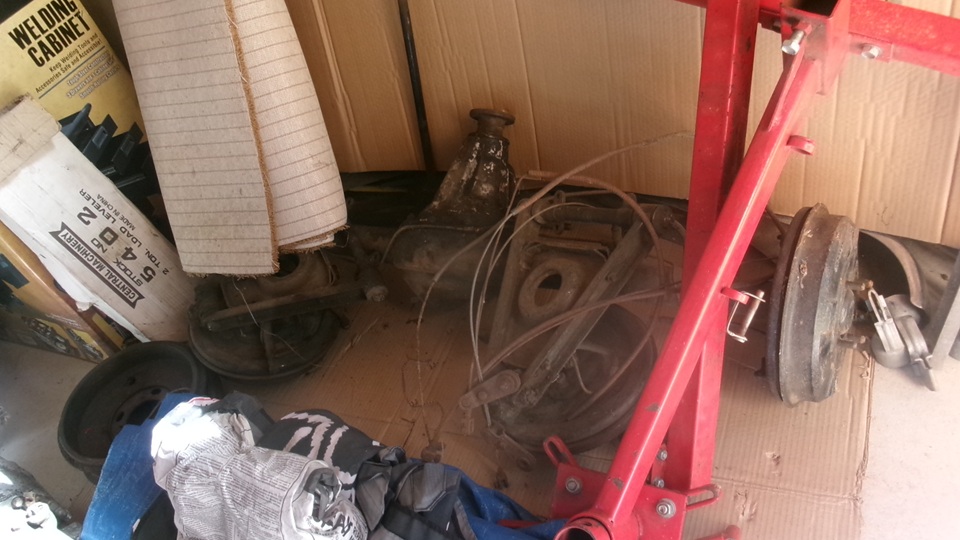
Grousing around a storage shed reveals a few rear axle assemblies, at least one each for MGA wire wheels and MGA disc wheels, and likely all 43/10 final drive gearing. Oh, an MGB cylinder head,with air injection ports, likely 1968 or later.
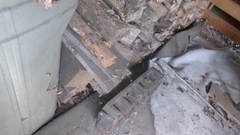
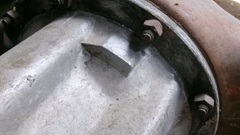
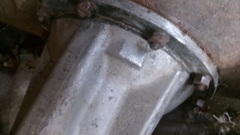
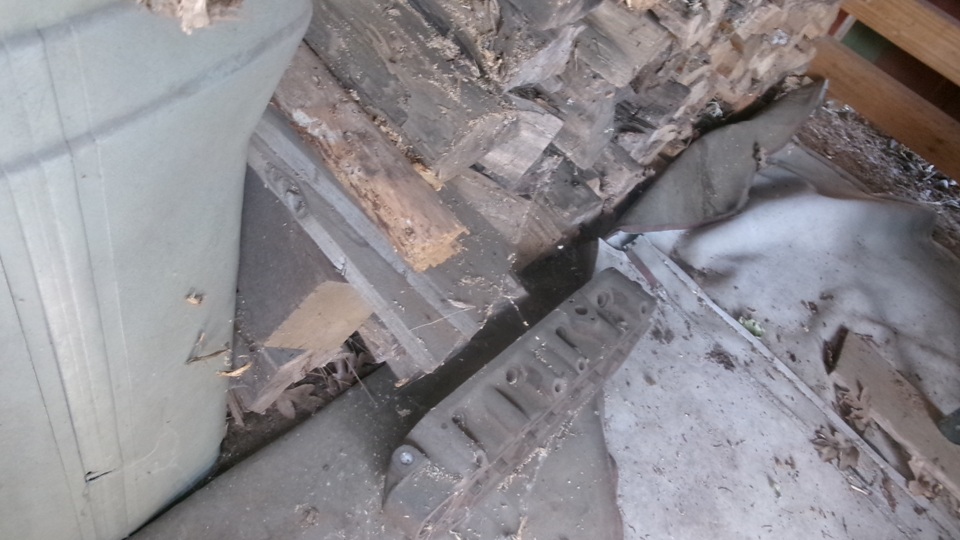
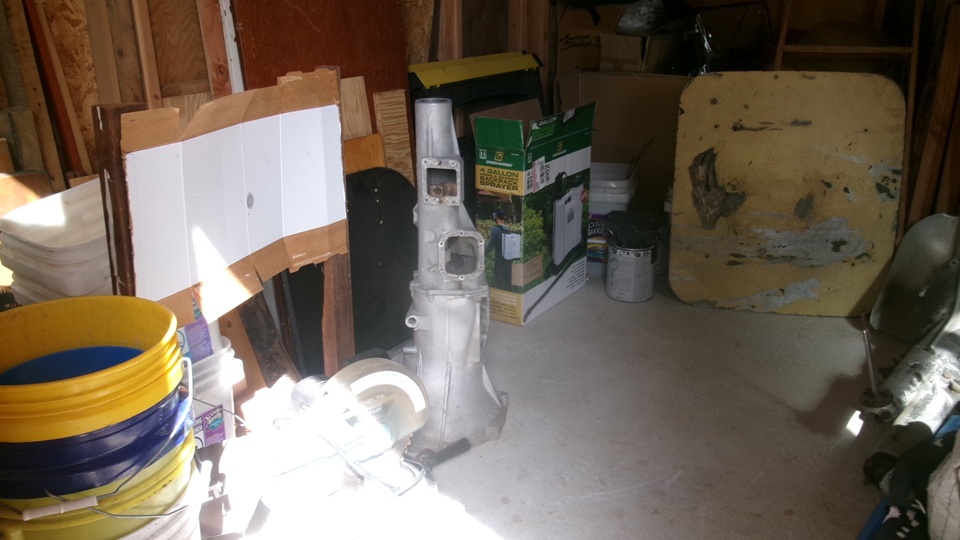
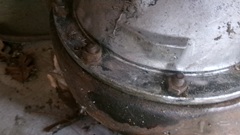
Two MGB gearboxes, likely nothing to do with the current MGA restoration project.
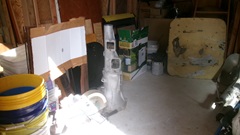
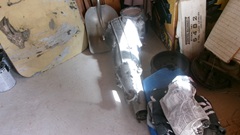
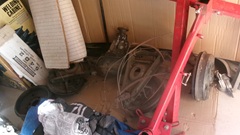
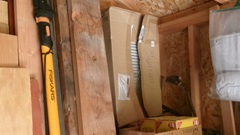
Some MGA front suspension parts, snuggled up with a second engine stand, and a new MGA grille still in the shipping box. This one looks like Moss Motors late 1980's or 1990's issue with chrome over steel shell, and larger than standard radius on the outer corners. We now have better quality in more recent issue parts.
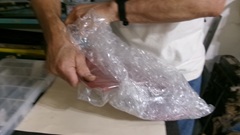
Then time to say goodbye and hit the road again. We drove another hour north for a fuel stop at Love's in Roseburg, Oregon. Times change, now at least partially self-service in Oregon, since 2023 I think. But the restaurant is decent with good WiFi (as most Love's are), so stay for lunch and posting more travel log, email, and BBS. There should be a club meeting in Portland Friday ,if we might still be in the neighborhood then.
Now this is where I get a little nostalgic, as I am not in the neighborhood to get this opportunity very often, and having time
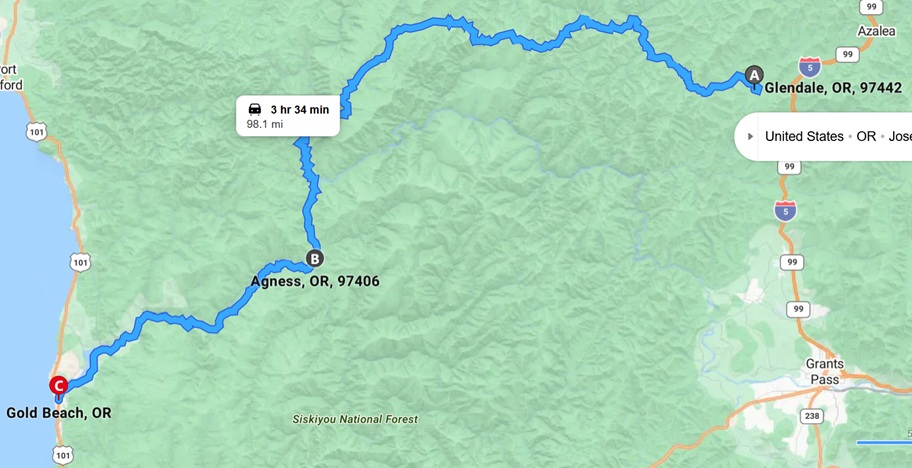
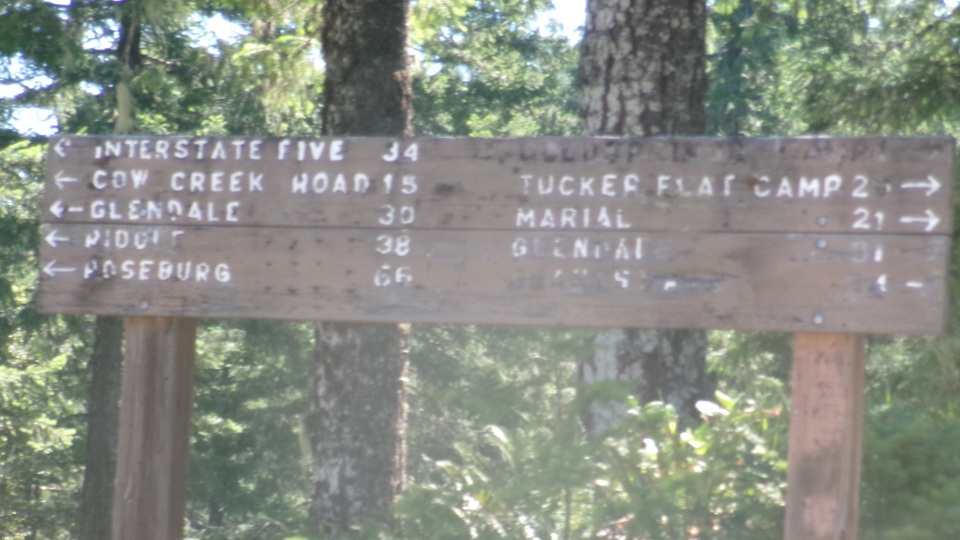
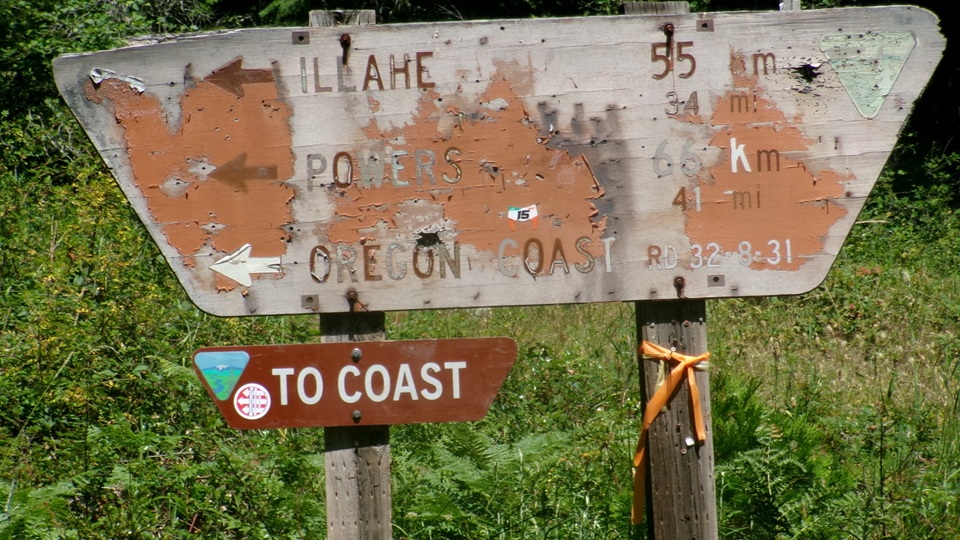
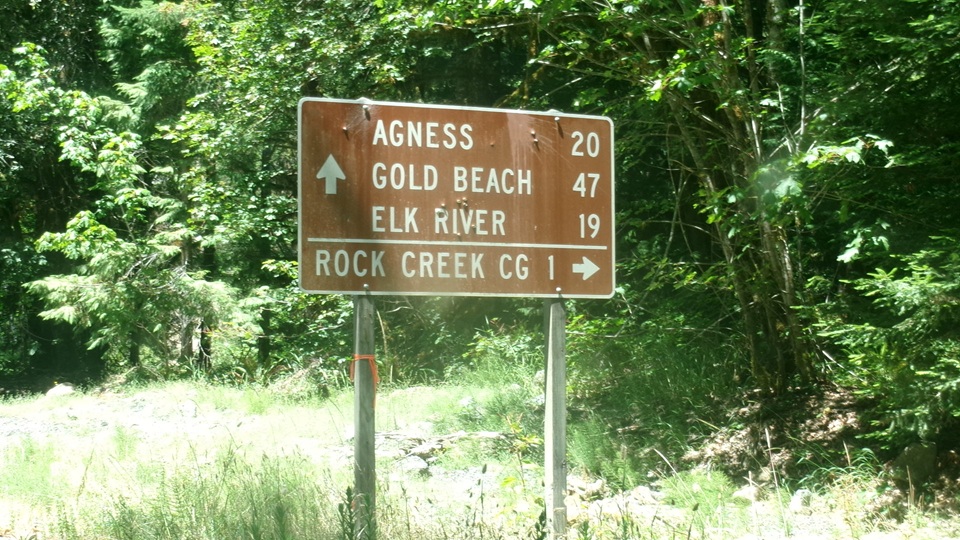
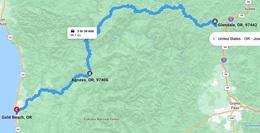 available. If we were to backtrack about 40 miles south on I-5 to Glendale, Oregon, and then head west, There is a road through the mountains in the Siskiyou National Forest, following Cow Creek and the Rouge River. This is actually a short cut, the shortest route to get to the west coast at Gold Beach. This is at the mouth of the Rouge River, where 158 years ago there was a weekly mail delivery 30 miles up river to Agness, Oregon, done with a double ended row boat. These days you can catch the Mail Boat tour ride on a very fast flat bottom water jet boat, running the rapids for 52 miles up the Rouge River (including the traditional mail stop at Agness). Last time I did that, the boat made the last 30 miles back from Agness to Gold Beach in 45 minutes, and that ride was a hoot.
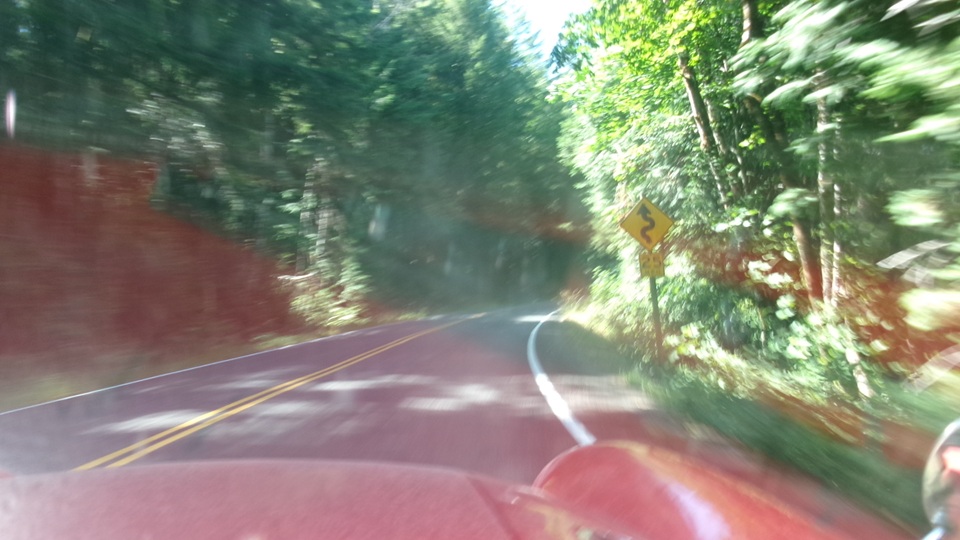
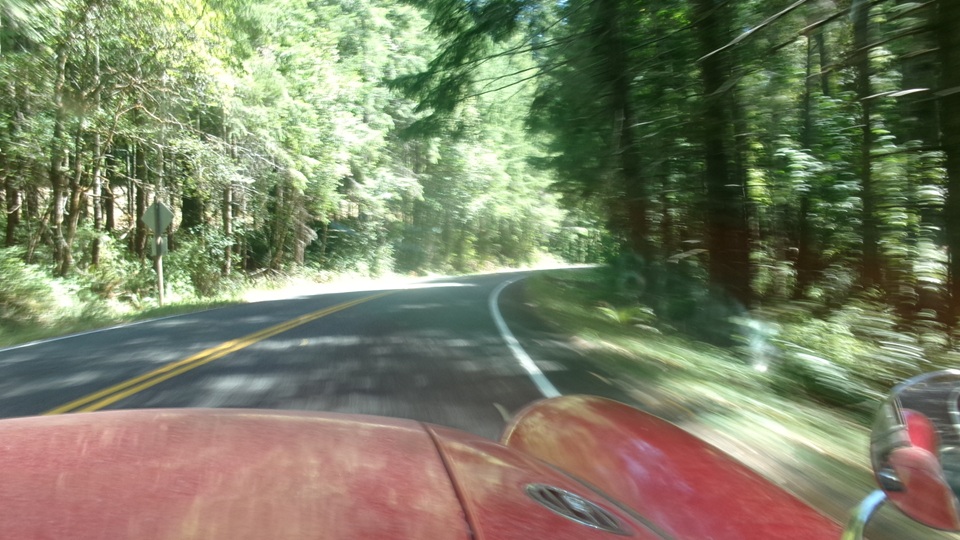
But the point now is, I have driven this road twice before from Glendale, to Gold Beach, both times over night in the darkness of the deep forest, once with family in a Pontiac (in 1981), and once in the MGA (in 1989) when Elliot was riding a long a few months before he was born. I have always thought I should return to drive this road in daylight with the MGA. So now I sit here trying to con Elliot into doing it for real, tomorrow. Computer mapping says it is 98 miles in 3-hours and 35-minutes. I know it took longer 37 years ago when some of it was asphalt surface, and some was still gravel (and the trailer was only a few weeks old with its original tires). This might be interesting, stay tuned.
Monday, July 6, 2026:
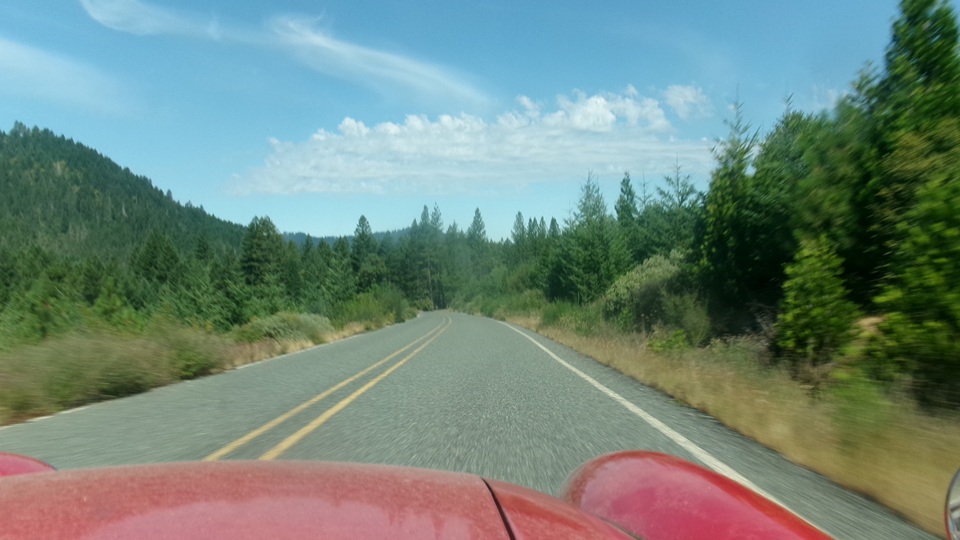
Wi Fi was not working at the Love's this morning, so after breakfast we headed south on I-5 to Riddle, Oregon where we found working WiFi at a McD's. Elliot was comparing Garmin GPS driving route to Bing Maps route,and they were not agreeing. Apparently Garmin does not know all of the road numbers in the Siskiyou National Forest, or thinks some of the roads are impassible. So I wrote down the Bing Maps route instructions,which looked good, and we were going to try it anyway.
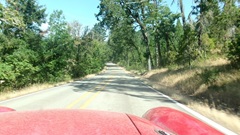
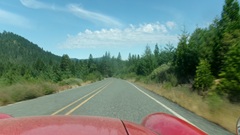
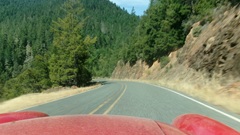
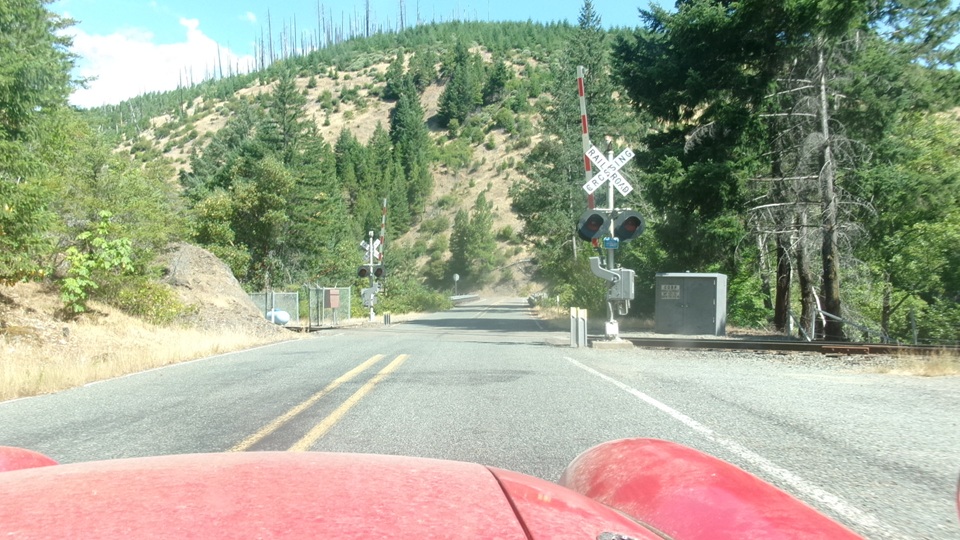
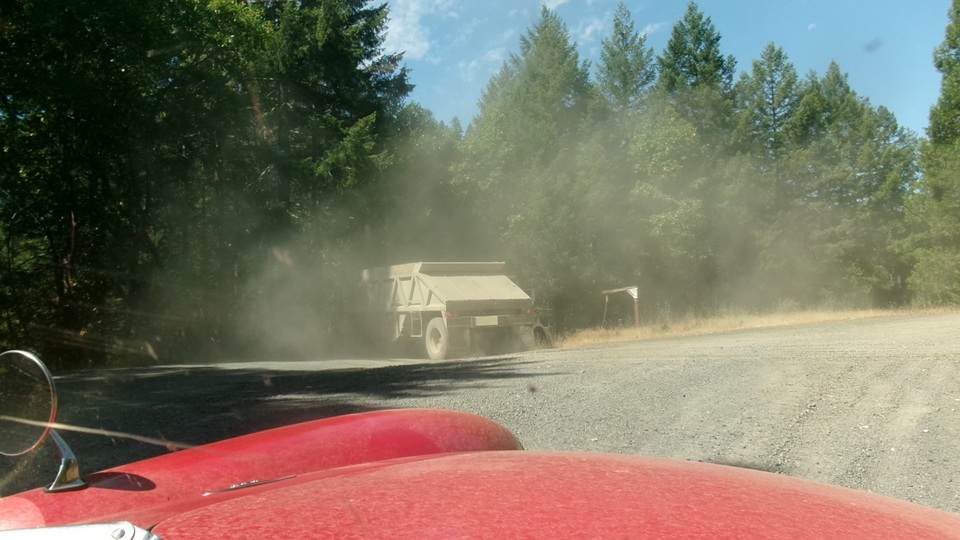
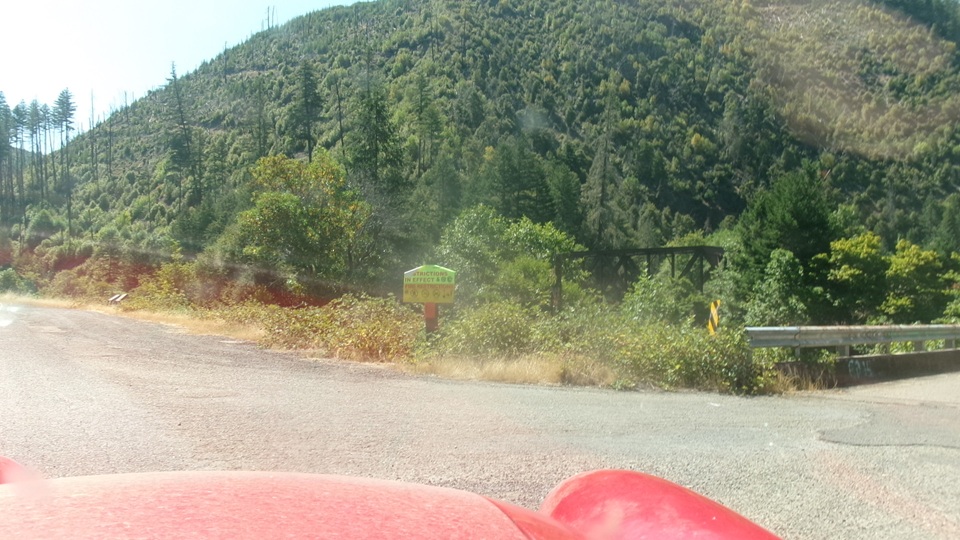
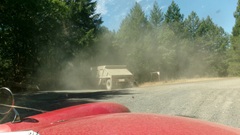
Shortly after the railroad and creek crossing, we paused to let a big tandem trailer gravel truck make his acute right turn.
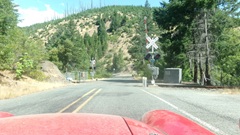
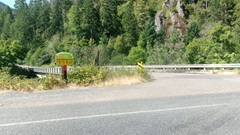
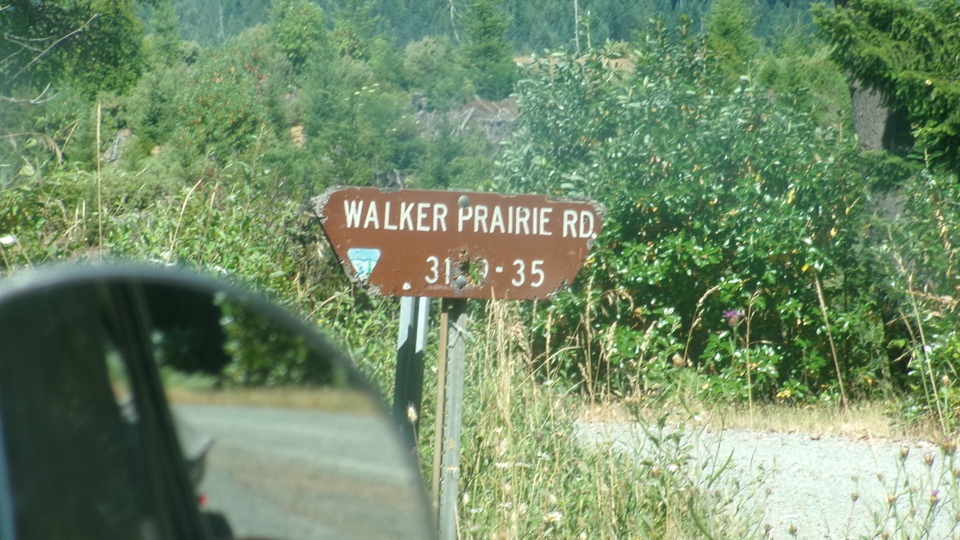
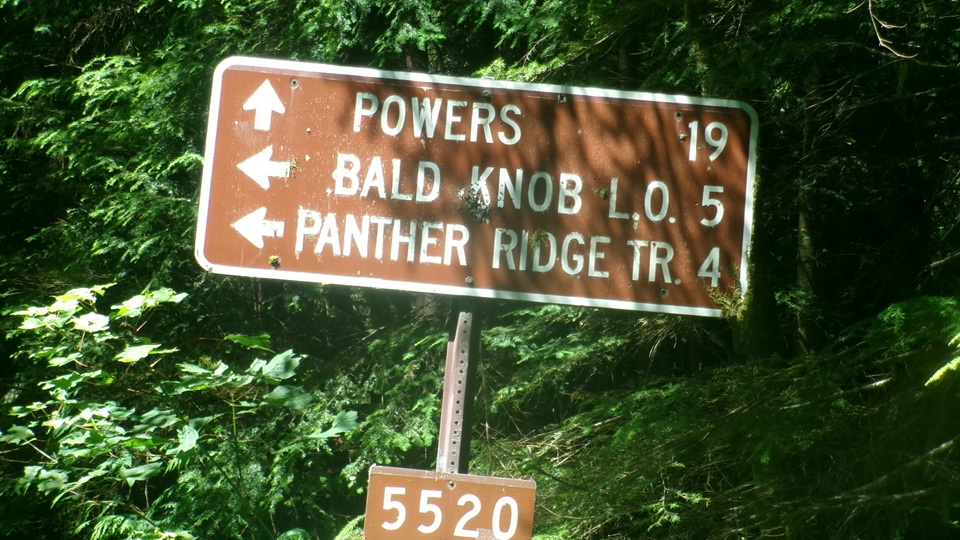
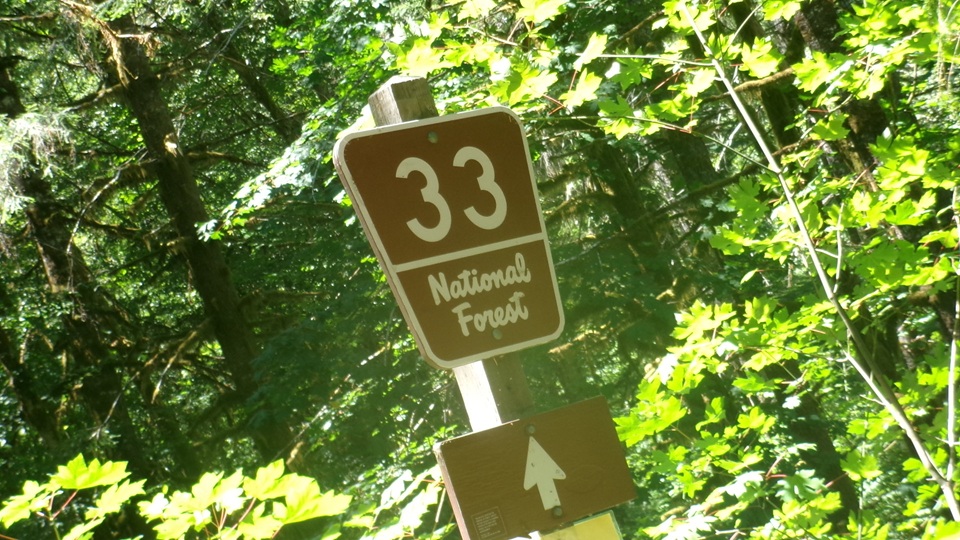
Unfortunately, part way through the Garmin GPS refused to follow the right route, and many of the road number signs were missing. Garmin knows the roads are there, just can't plot a good route without the proper road names and numbers.
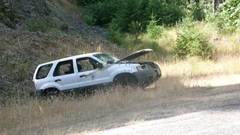
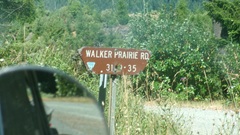
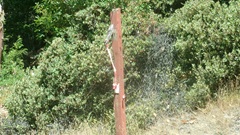
After some miscues and some backtracking, and too many miles in the wrong directions, we had to give it up and find our way out back to a main highway and back to WiFi to work out why and where the Garmin was screwing up.

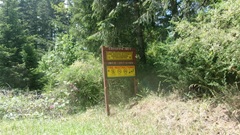
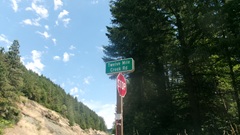
Elliot spent a lot of time sticking a dozen waypoint pins in the Garmin map to force it to follow the desired route. Then more time removing one pin at a time to see which ones might not be needed. In the end, five intermediate waypoints between start and finish would do it. I don't think we would ever be able to explain this to Garmin, but it looks like it should work. We wrote down all of the Bing Maps (or MapQuest) route instructions on a steno pad, same as we always did before we had a Garmin GPS.
Tuesday, July 7, 2026:
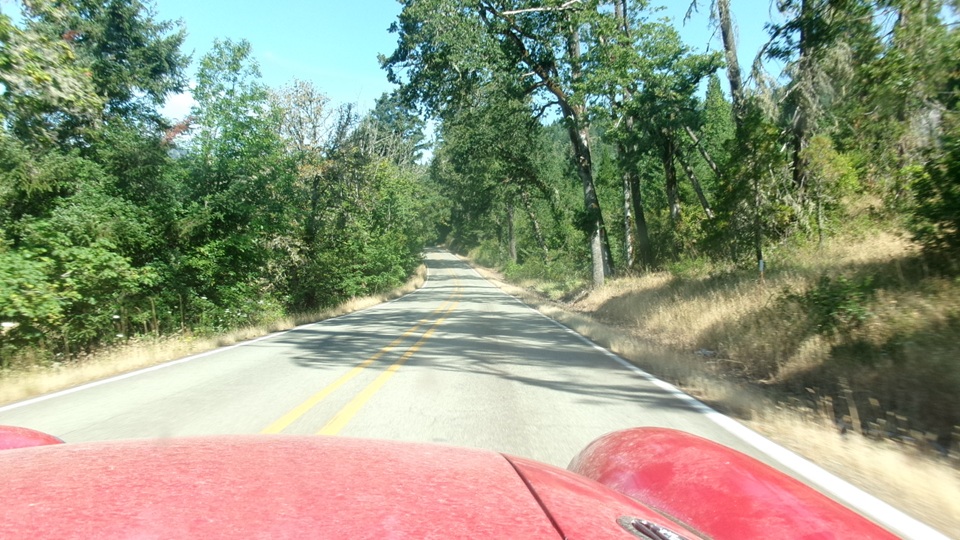
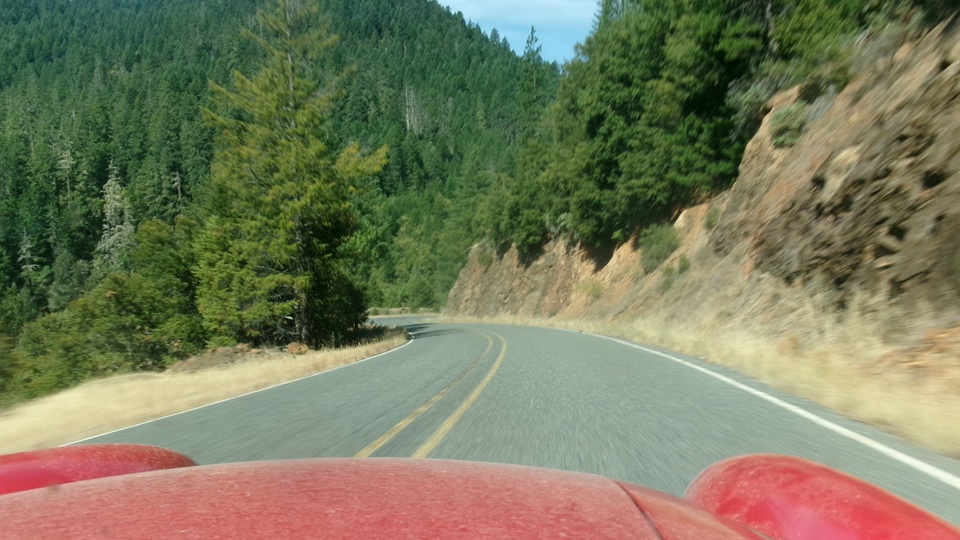
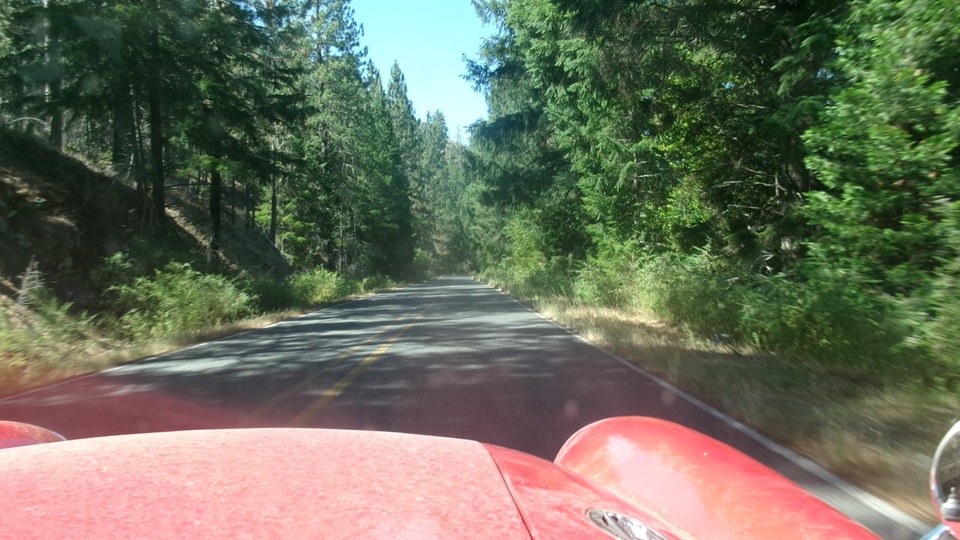
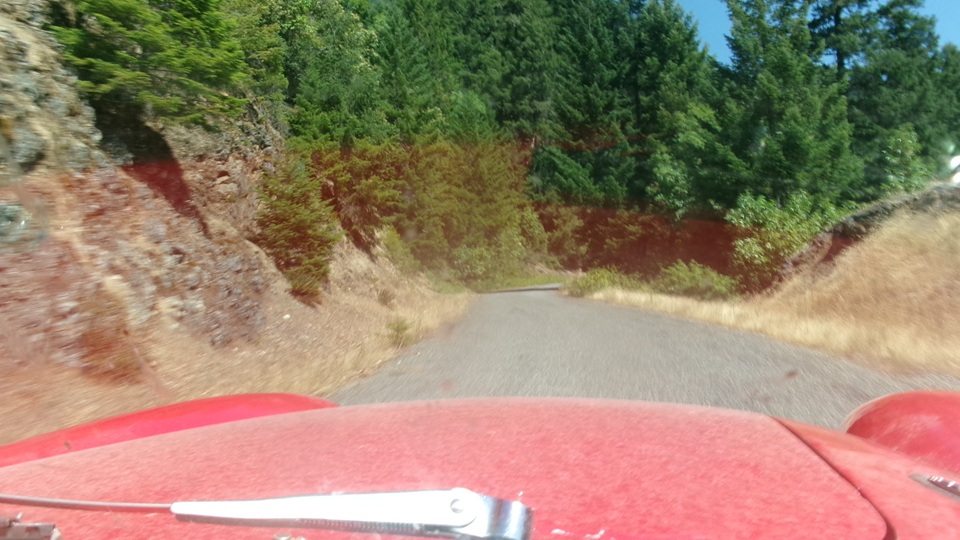
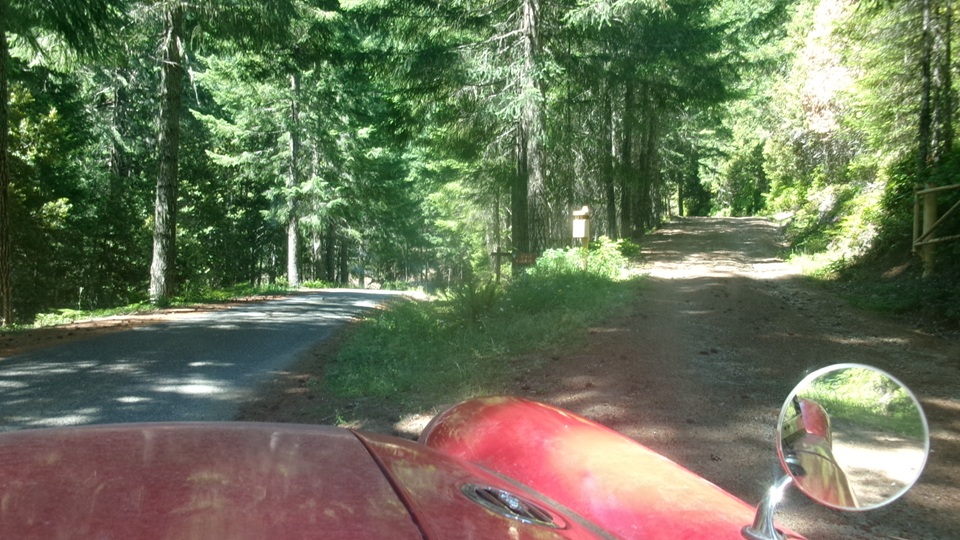
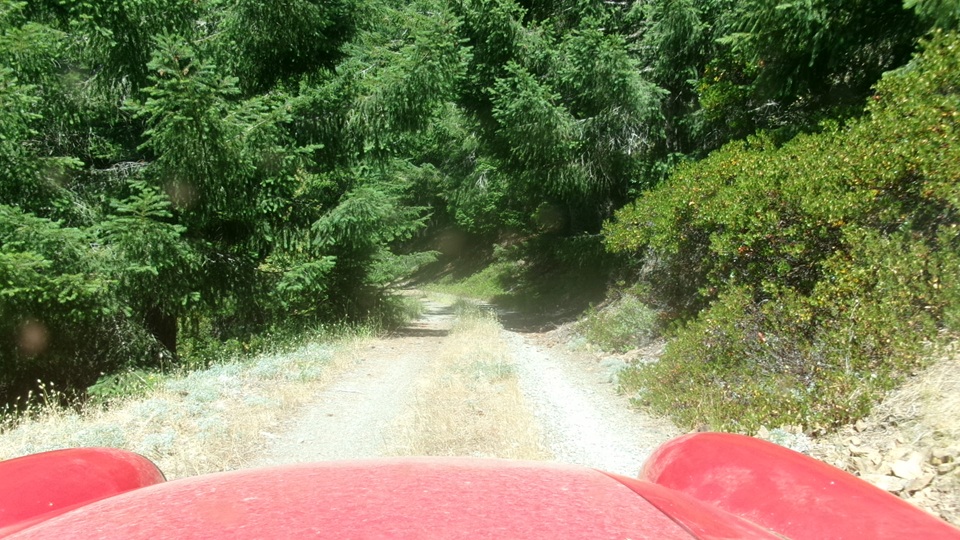
10-am, off to find our way through the forest again. This time starting at Riddle, Oregon, because it should save a few miles in the morning. For the most part it was working okay. Many missing signs for the road numbers, but we could find most of the turns by distance. Only one pin in the wrong road when there was a 4-way fork. This may be why Garmin fails, because there are often no road identification signs to serve the mapping vehicles.
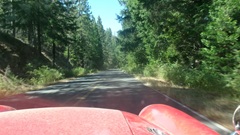
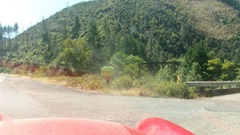
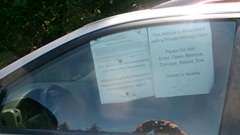
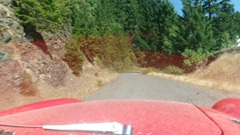
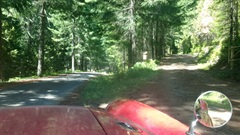
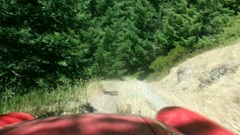
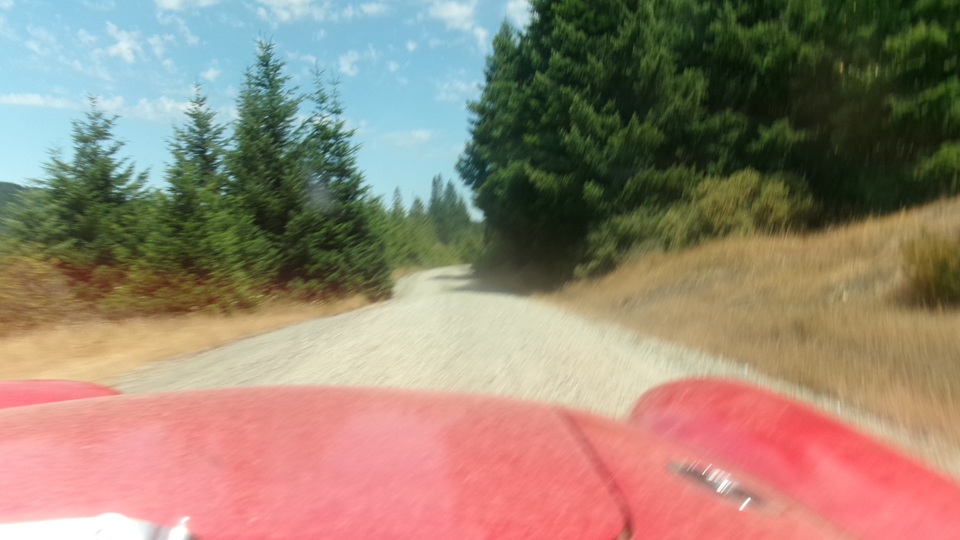
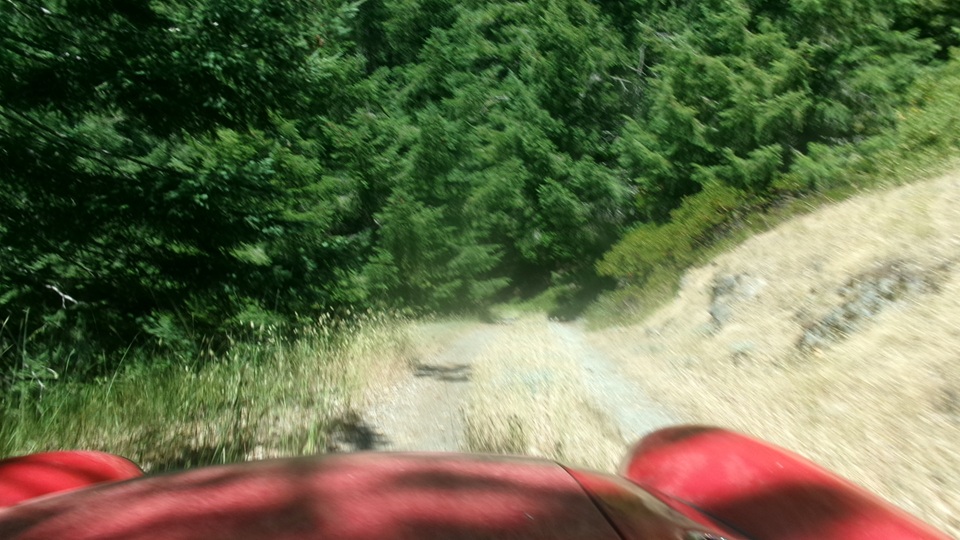
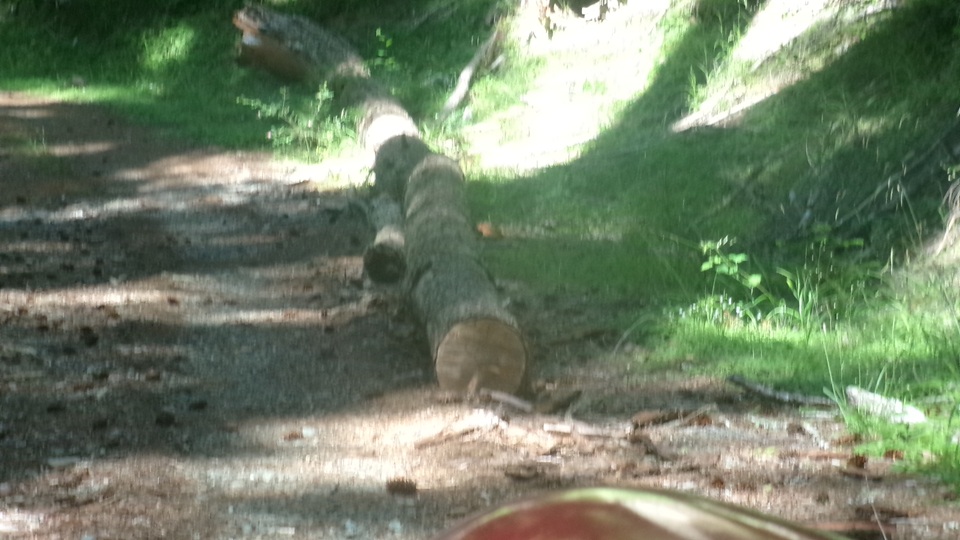
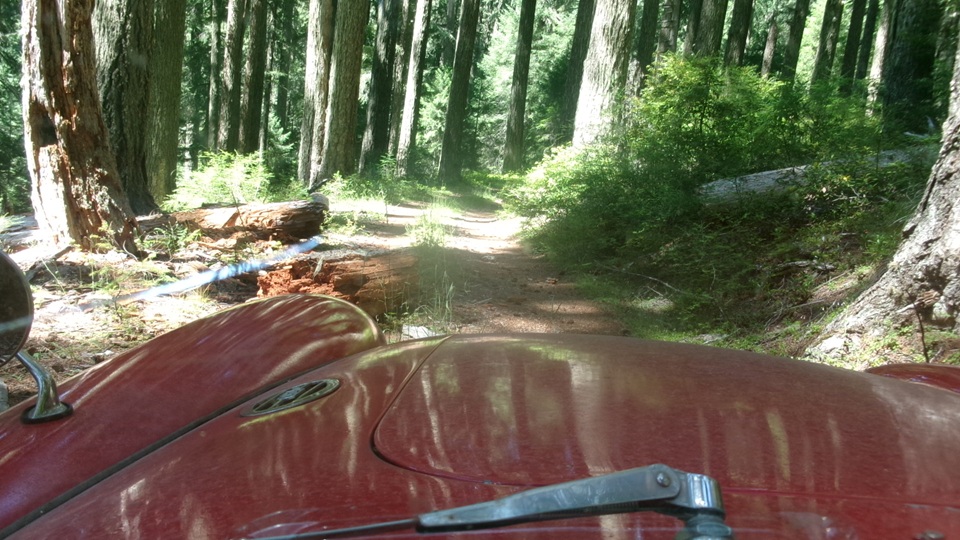
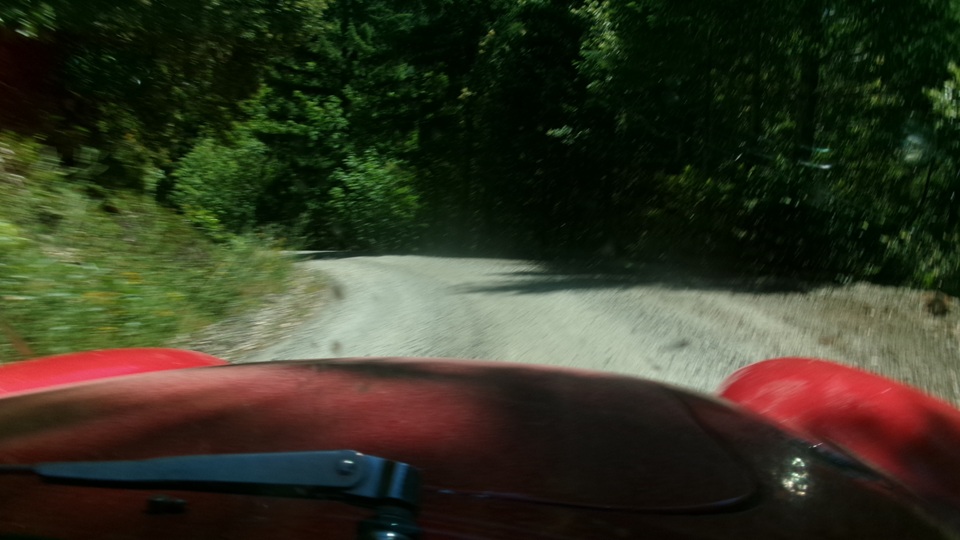
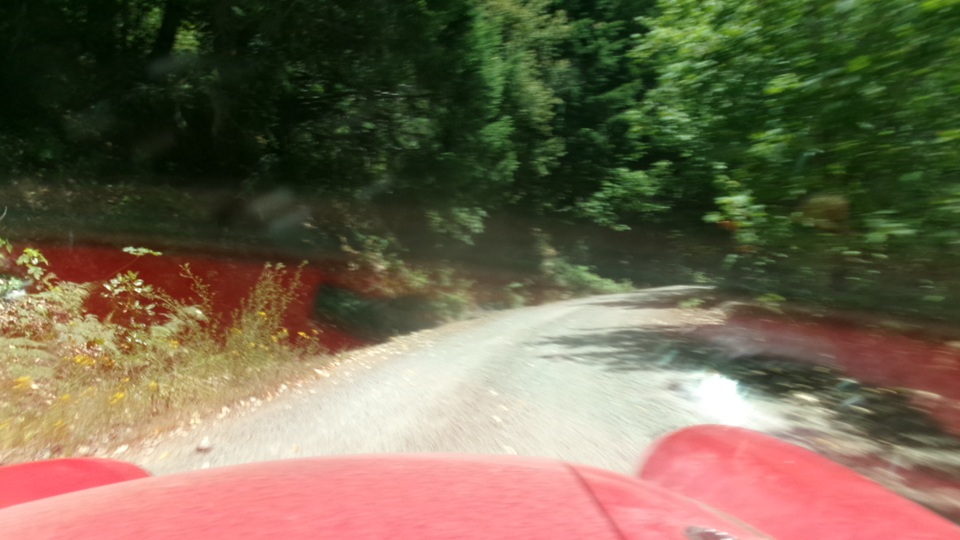
And a couple of times when it took an odd shortcut route through some really ratty two-track dirt roads with rocks and grass and ridge in the center. Also had to stop once to kick parts of a fallen tree out of the road. But we finally made 100 miles from Riddle to Agness in about four hours without any serious incident
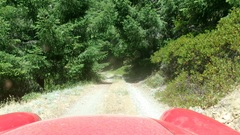
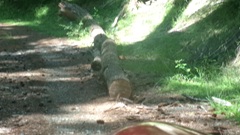
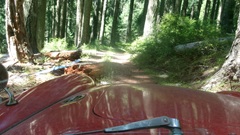
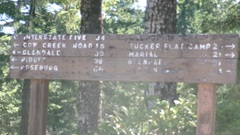
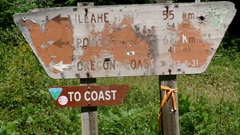

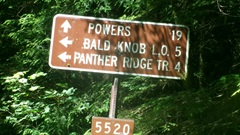
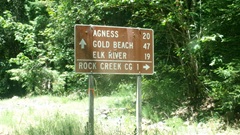
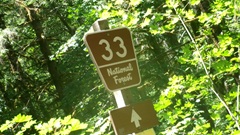
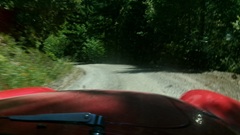
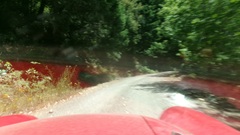
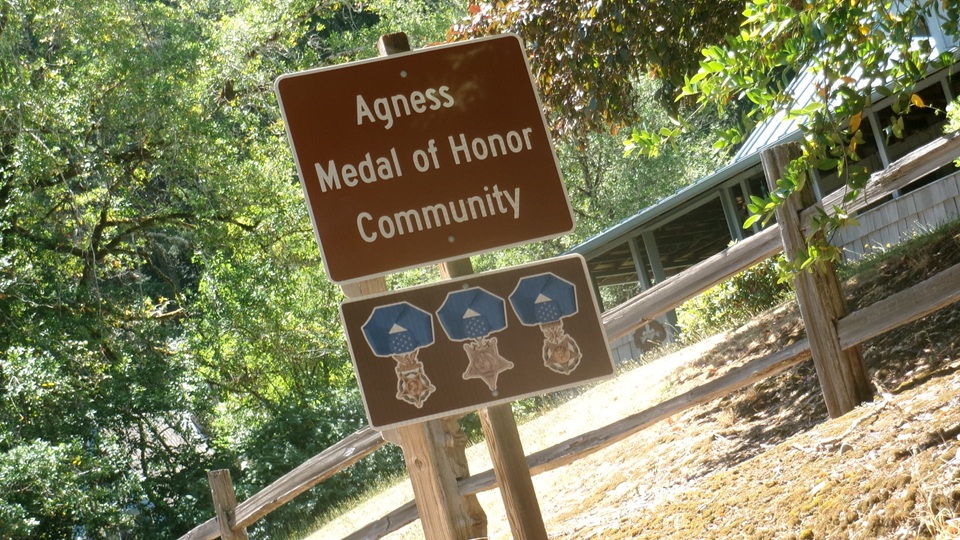
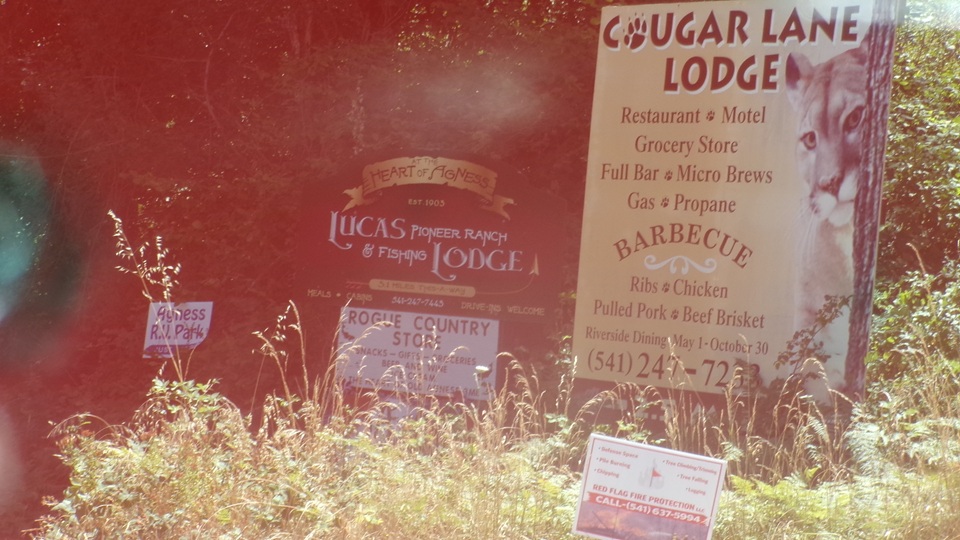
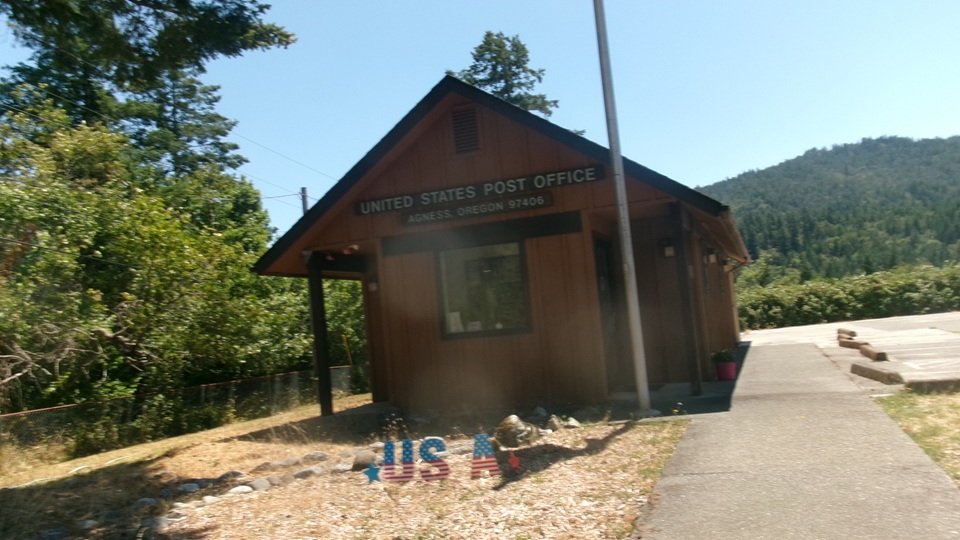
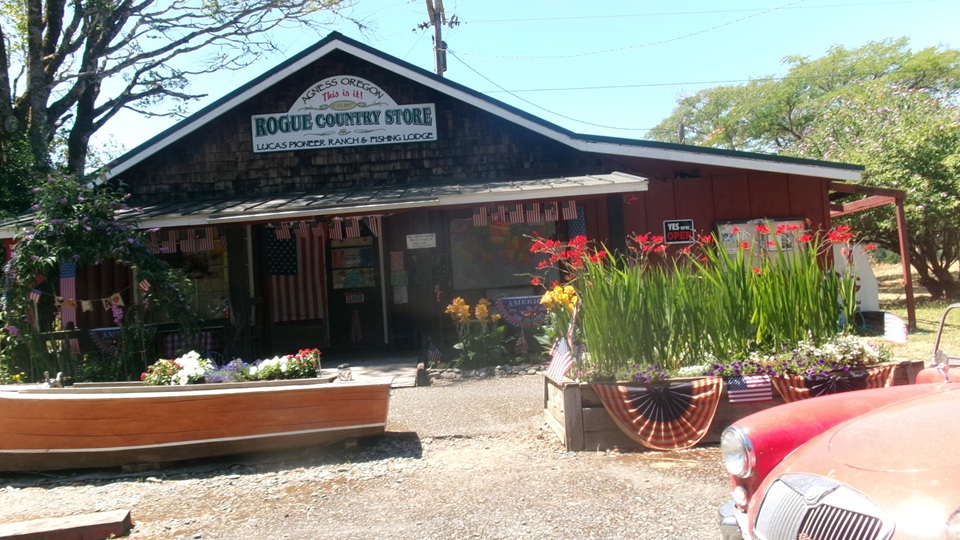
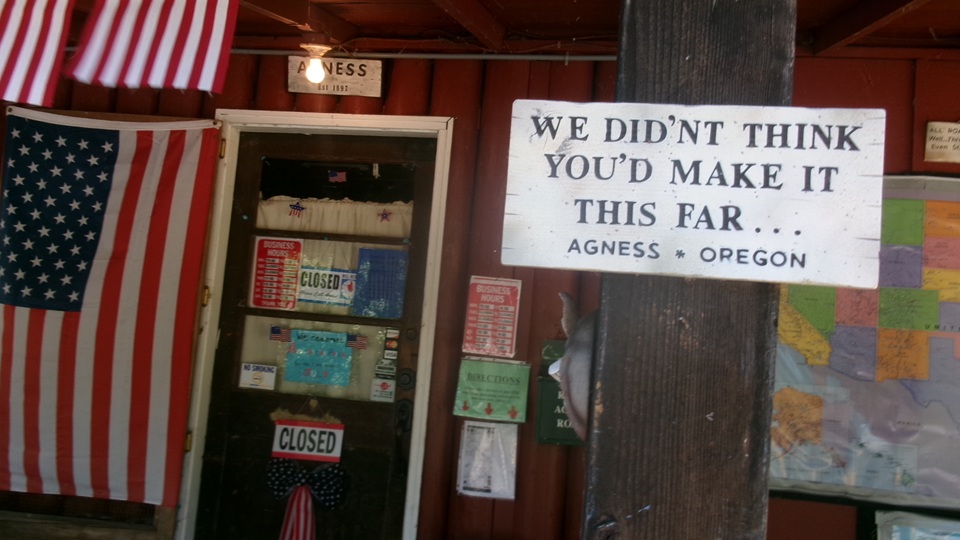
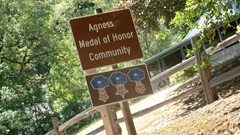
In Agness we stopped first at one dead end street to visit a general store (which was closed on Tuesdays), and the town post office (which was open), where we got a good recommendation for a lunch stop at Cougar Lane Lodge.
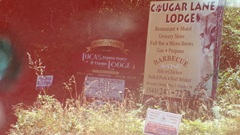
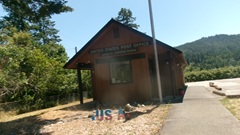
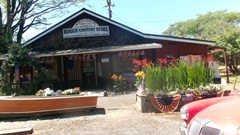
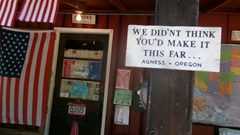
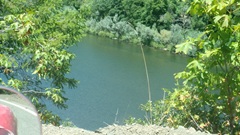
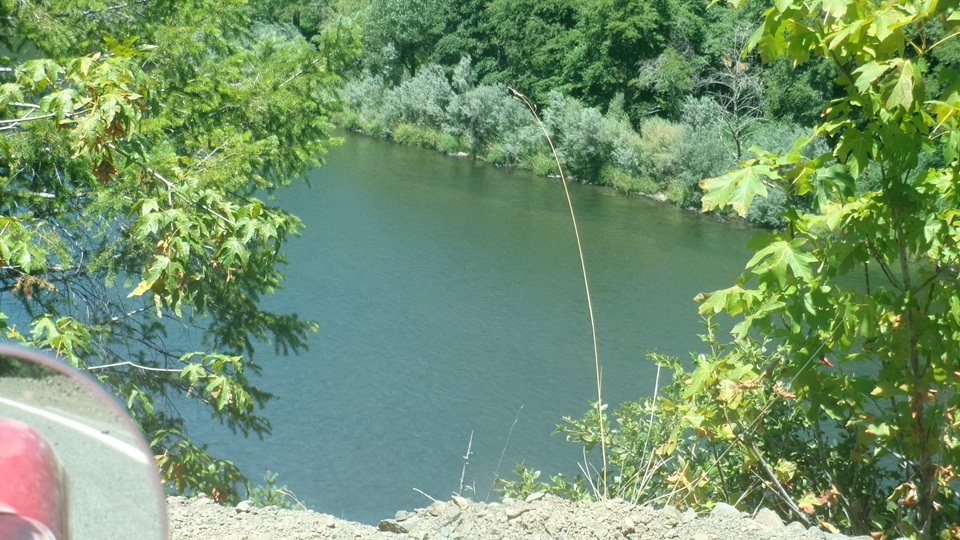
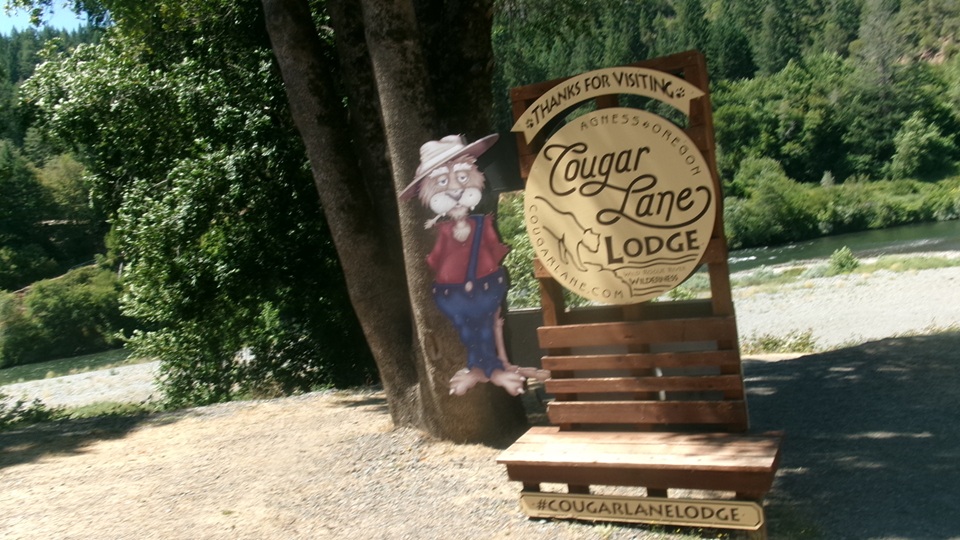
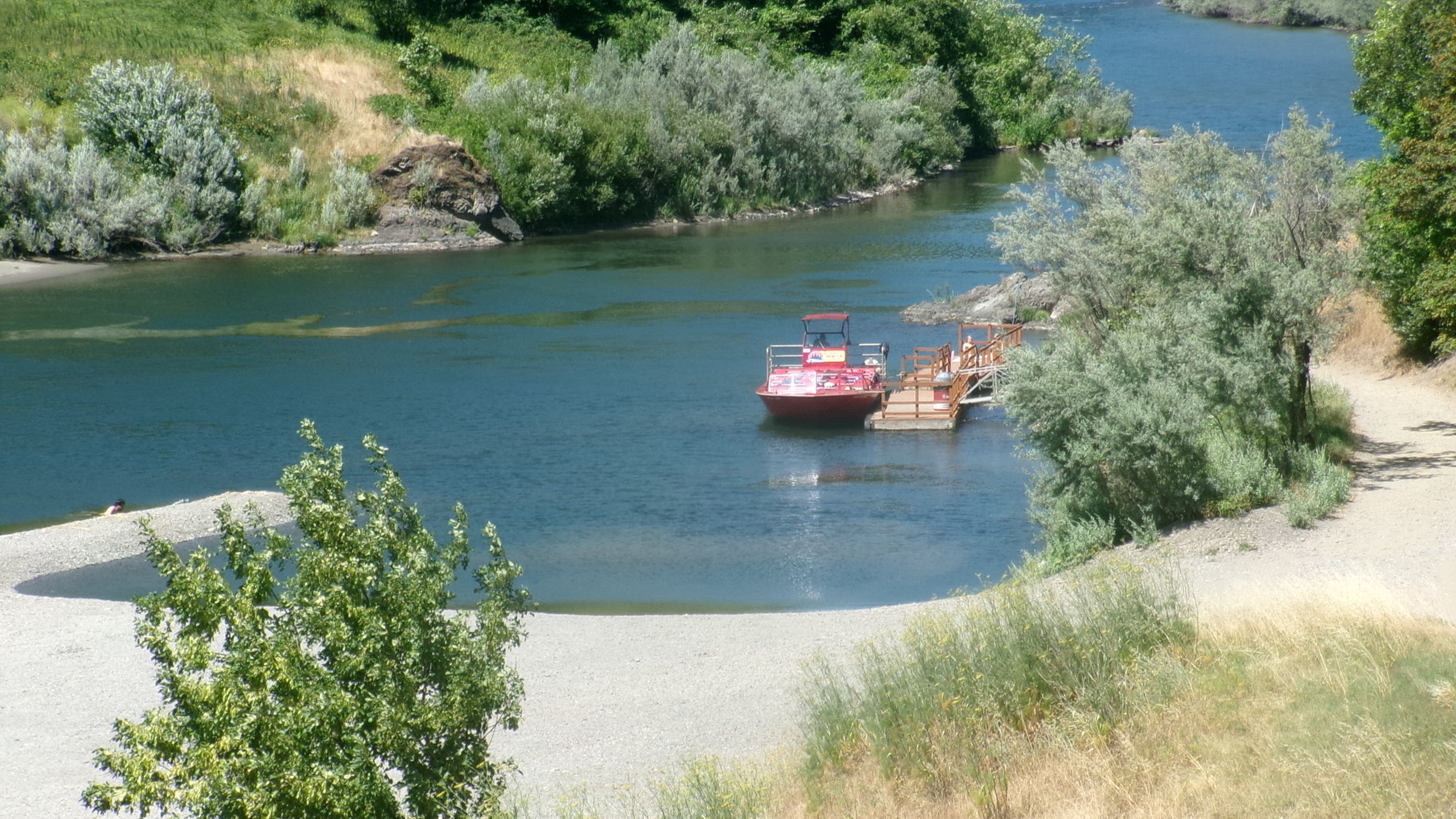
Back tracking three miles to go on the other side of town got us to full view of the Rouge River,and parking at the Cougar Lane Lodge. Been there for lunch before, on the Mail Boat tour in 1989, but this is a first for getting here with the MGA. There was one of the flat bottom water jet passenger boats tied up at the dock.
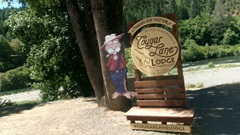
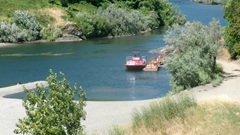
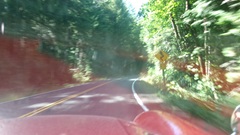
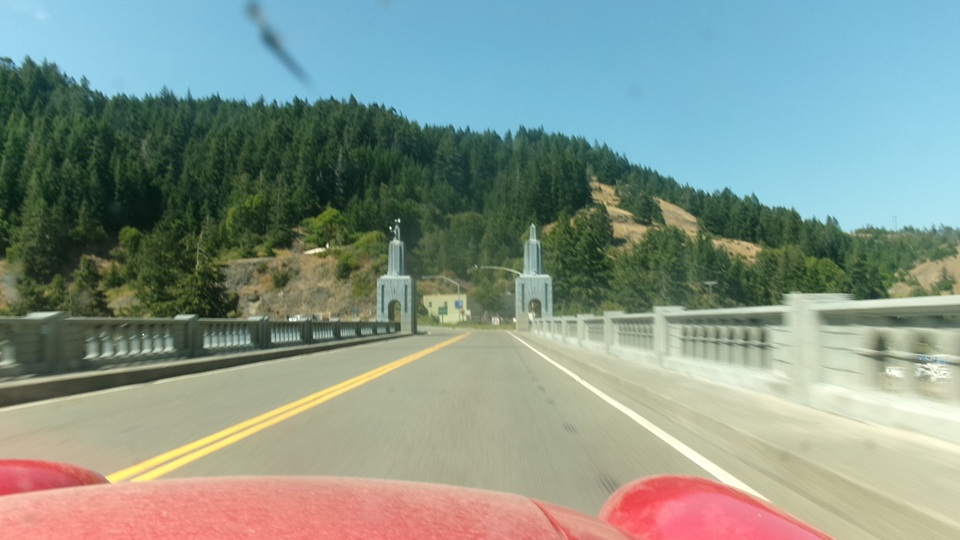
After lunch at the Cougar Lodge we we headed west from Agness to Gold Beach, which was a much easier run on a more decent blacktop road. Here we made30 miles in 45 minutes to pop out on the Pacific Ocean shore line at the mouth of the Rogue River onto US-101 north. The Coastal Highway took us up to CA-42 going east, and another hour or two back to where we started in Roseburg.
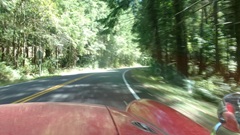
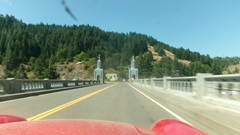
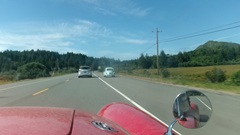
As I write the next paragraph (or three), I have not yet finished the notes for the photos above for the past two days (while touring the Siskiyou National Forest). But it seems like a good idea to write this before I forget the details. -- After two days of failure and final success, we (mostly a navigators choice) decided it was not necessary to kill a third day to take the Mail Boat Tour up the Rogue River (52 miles) just to go where we had already gone and return to Gold Beach. How much is an amusement park thrill ride worth? -- So we could relax as we casually headed north up the Oregon Coast Highway US-101) at the posted speed limit (50-55 mph) for 52 miles. Then turn onto OR-42 Spur East for 17 miles, and then onto to OR-42 East for 62 miles (with one very short fuel stop), bringing us back to Roseburg at 5:30-pm, where we had started in the morning (a 7-1/2 hour tour day). The MGA had been performing admirably, mostly without a thought, ever since leaving Murphys,California four days earlier. While on highway OR-42, the MGA was exhibiting a shake at speed, starting around 50-55 mph, similar to a wheel out of balance. So we just kept in down to a relaxed 50 mph for 1-1/4 hours on the last leg back to where we started the morning in Roseburg.
Hanging out at the truck stop until 11-pm, processing photos (but not enough notes), we then headed North on I-5 at expressway speed, but the noted shake was worse at higher speed, so we again kept it down to 50-mph for 26 miles (1/2 hour) until we could haul over at an interstate rest stop to get some sleep. Pulling into the rest stop at low speed,the car had a notable side to side wobble, so we parked it to get some sleep.
Wednesday, July 8, 2026:
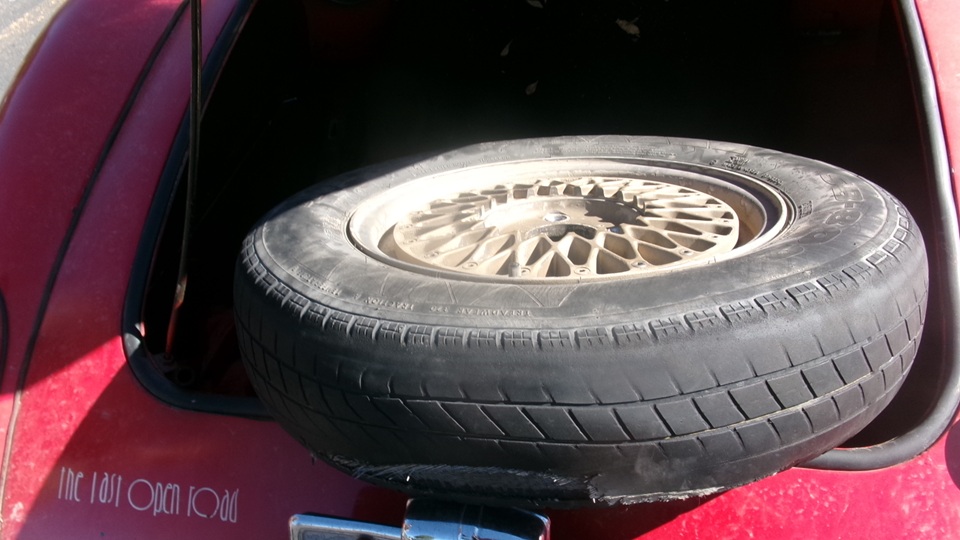
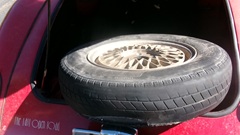 Early this morning by daylight, we took the time to check out the shake problem, finding the left rear tire to be somewhat deformed with steel belt wires exposed for several inches along one shoulder. Okay, checking records, we hadn't looked at the rear tires in 4000 miles since we left Florida in mid April. This is what happens when we get busy and defer maintenance. These rear tires should have been changed before leaving Florida. At least we got our money's worth out of those tires, and they certainly don't owe us anything. Luckily, no harm done, so install the nearly new spare tire, and drive 30 miles farther north for breakfast at McD's in Cottage Grove, Oregon. This is the second "friendly" McD we have found in Oregon, so a good place to sit and catch up our grunt work.
First business, even before breakfast, was to find and get on order two new tires for quick delivery. Lucky this time that we were in a convenient location. Two new tires form Walmart on-line, to be delivered overnight to the nearest Walmart Superstore in Springfield, Oregon (only 23 miles in the right direction), with 8-am appointment to have them installed. $87 each on line ($21 discount), free delivery to the store, $18 each prepaid for installation, $2 each disposal fee for the old tires, no sales tax in Oregon, $214 total including mounting and balancing. How easy was that? And we get the rest of the day off to catch up. "I feel much better now".
During and after breakfast, we were ordering a couple of brake light switches and ignition point sets to be delivered to a local NAPA store by Friday. Hopefully by mid day or 3-pm latest, to allow time to get to our Friday evening appointment. We were also searching for DIN standard DPDT relays, but got too late in the day to order for a local parts store delivery. Maybe Amazon, maybe tomorrow.
Thursday, July 9, 2026:
Up early to hustle 20 miles up I-5 to Walmart in Springfield, Ohio for 8-am appointment. Arriving 7:55-am, navigator unhitching trailer and emptying the boot for access. Attendant says to pull up in lane 2,and which tires need to be changed? Then can't find the new tires. Computer says "Delivered", but not there. This note may mean delivered to local Fed-Ex, but Fed-Ex usually completes over night deliveries about 10-am. Bummer. Reload the boot, hitch up the trailer, go for breakfast, and wait for phone call for new appointment time. --
9-am call from local Walmart auto, no tires,no record of anything ordered or shipped. Normally 3 to 5 days shipping from Walmart on-line, expect delivery next week. Now we have been royally screwed over by Walmart on-line. I cannot log in to my Walmart account (technical error), but navigator does. Order status says "Delayed", no other information. Try contacting Customer Service, fight with the stupid AI chat box, asking to talk with a human, until it says someone will call you back. --
Did get a call back in 5 minutes, then time to explain our problem. Then information that the order is being shipped from or by National Tire Wholesale in Portland. Another 10 minutes of tooth pulling to get two very strange 20-character tracking numbers, only accessible through the NTW web site. Those say it was shipped yesterday from Portland, in Springfield this morning, out for delivery today before end of day. Not great, but better.
Call to local Walmart to ask for another tentative service appointment, this afternoon or tomorrow morning. but not allowed until the tires arrive. Sit and wait while checking the tracking numbers again. then another call back from local Walmart quarter to noon, saying the tires have arrived. Offering to install tomorrow morning, but finally begging and negotiating appointment for 5-pm today (closing at 7-pm). Banging head on wall, wait another 5 hours, but better. Meanwhile another call from local NAPA about brake switches and contact points, 4 items coming from 3 different sources, tactical problems in Seattle, so not today, but likely coming first thing tomorrow morning. So looks like we can still make our next appointment in Portland tomorrow evening.
Back to Walmart auto at 5-pm. Yes, tires are there, pull up to door 2 under the Tires sign. A lad with tablet computer terminal asks for the car VIN number, which is the 5-digit chassis number on my Illinois vehicle registration card. But they need standardized 16-digit VIN number, which of course didn't exist before 1968, so they can't work on our car. Three more people passed the buck, always with the same answer. Then someone said we need to talk to the auto service manager, who is off today, to return mid day tomorrow. Call at noon tomorrow and ask to talk to Josh. And by the way, the next available service slot is now 3-pm tomorrow. Now go away, we're closing soon.
Friday, July 10, 2026:
Good morning, we got this. 8:15-am call to Walmart auto service."We have two trailer wheels that need new tires. They were ordered from Walmart on-line, delivered to your shop yesterday. Can you install them"? -- "Yes, no problem., bring the wheels in now, and we can do it right away". So we drove back to the shop, parked in the customer lot, jacked up and removed the RR wheel, pulled the scalded tire out of the boot, and dropped the two wheels in front of the Tire Service door. Checked in, got our service order number, sat in the waiting room 15 minutes, and the phone had a text message saying tires are done, come pick them up. Pay the clerk $40, pick up the wheels with new tires mounted and balanced, and install them on the car. We will chat with Walmart on-line people late about refunding $40 for double billing for installation. Moral of this story is, if you ever need auto service from Walmart, do not tell them you have a vintage car.
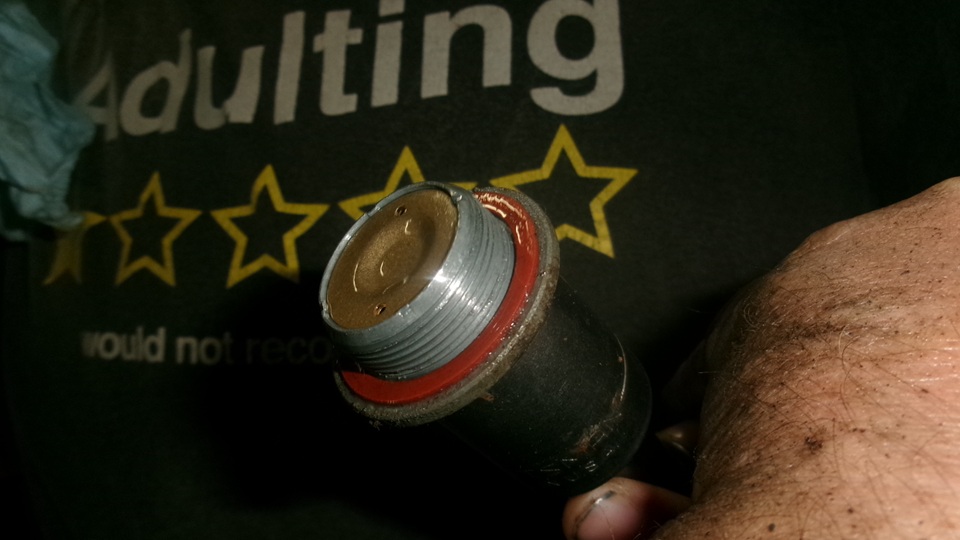
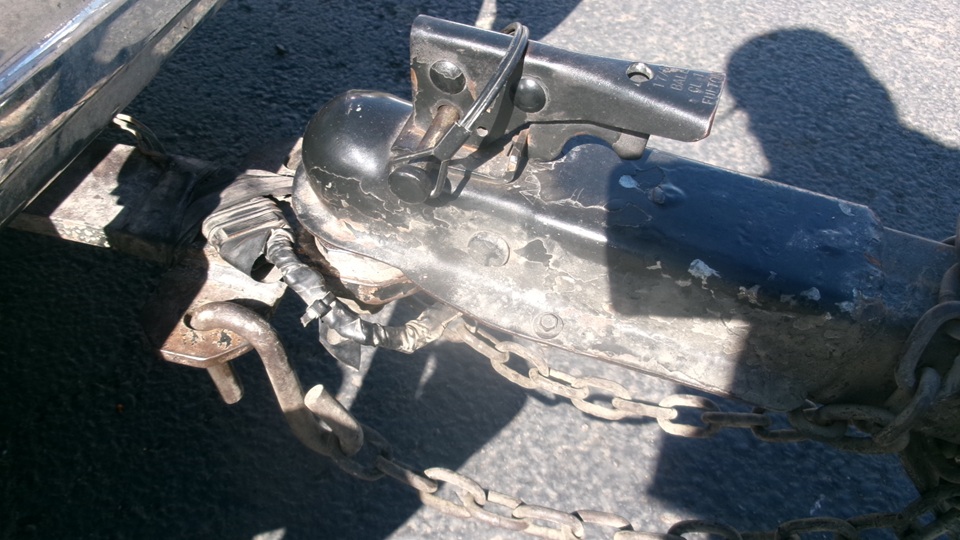
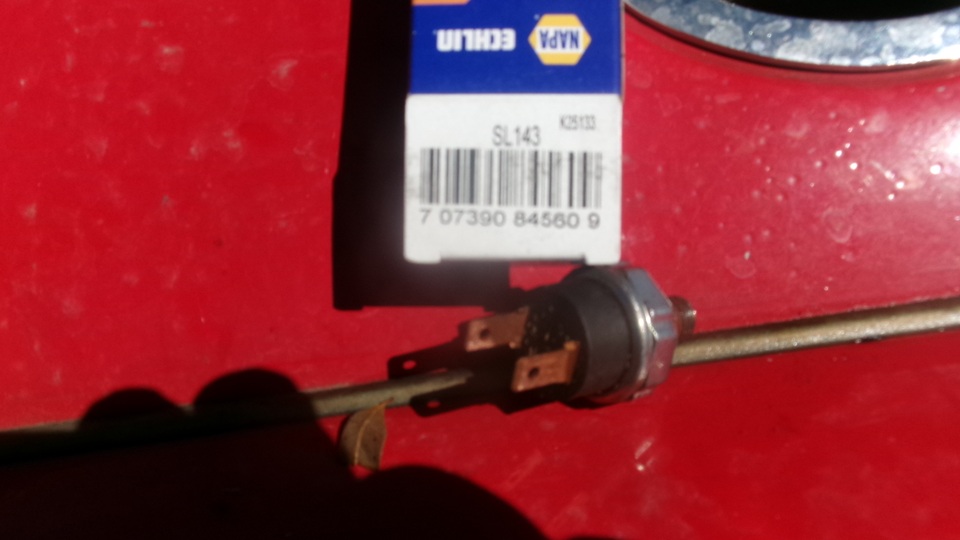
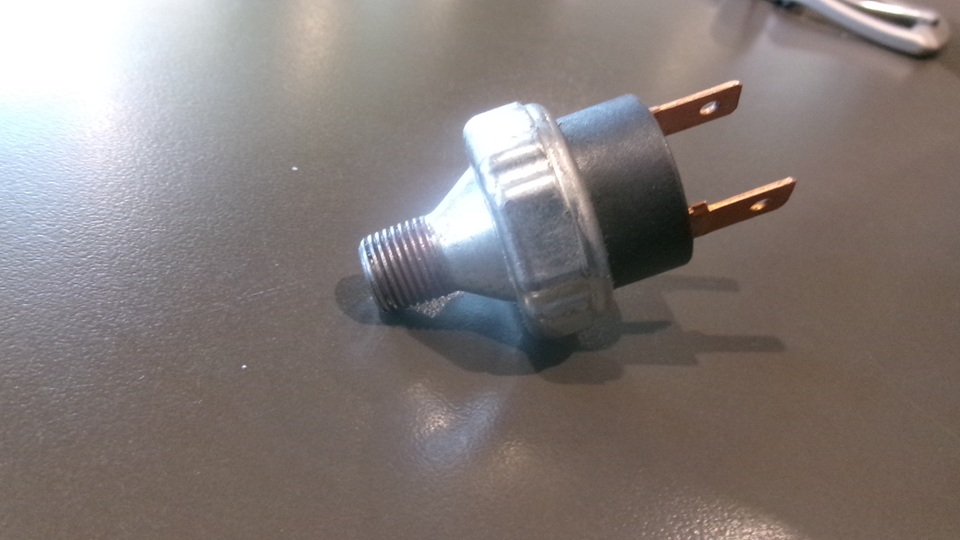
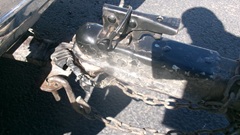
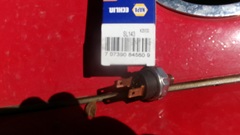
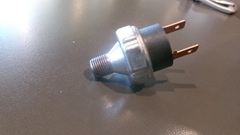
While hitching up the trailer, it was a good time to snug up the trailer coupling adjustment nut to reduce freeplay and clunking noises at the hitch ball. -- Then we were off to NAPA to pick up new brake light pressure switches and contact points, and not long to install a new brake switch, after which brake lights work with one finger force on the pedal. Old pressure switch retired after 2-months and 2,770-miles due to high pedal force and slow response. What we have learned in the past12 years of frequent switch failures is, every purchase is different switch from a different manufacturer in a different country in the same box with same part number. Retailers supply whatever they can source for lowest cost with no thought at all about quality or customer satisfaction. And the whole world has forgotten how to make a simple pressure switch to handle 3-1/2-amps inductive load. We will cut the old switch open later to get the obligatory picture of burned contacts.
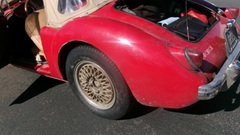
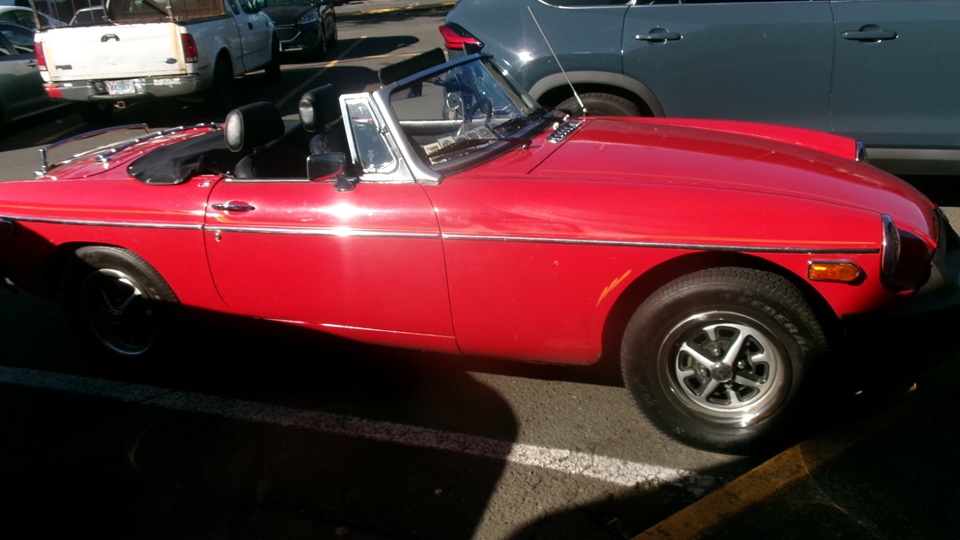
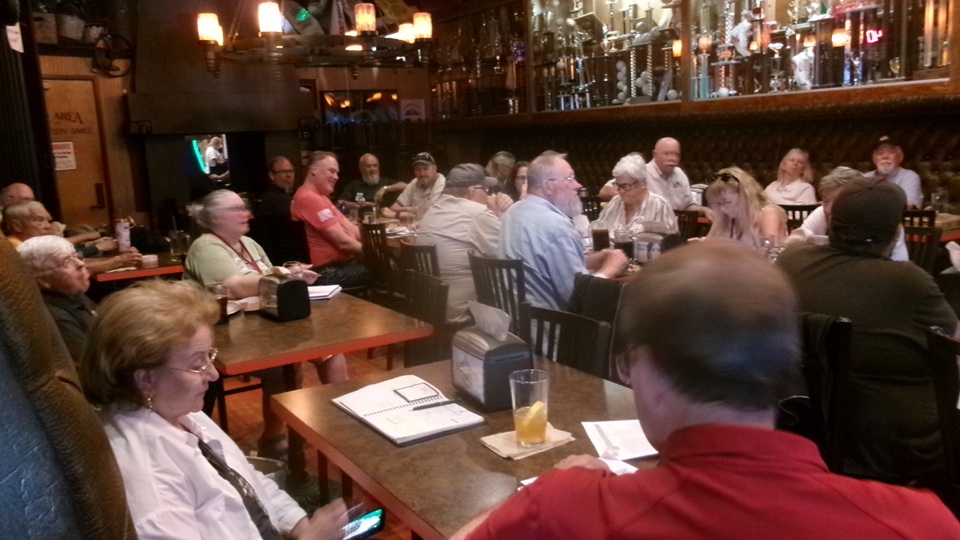
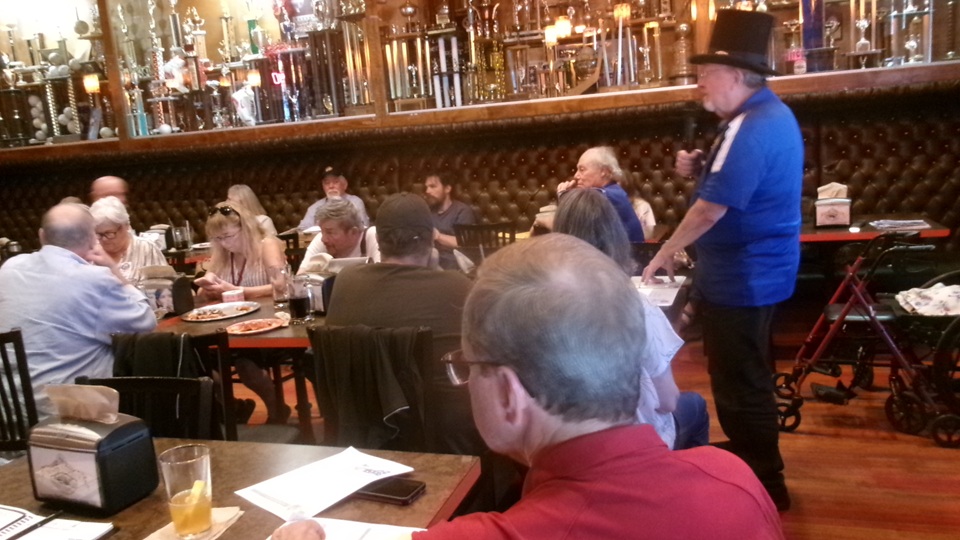
After late breakfast and short respite, we were off to Portland, Oregon for evening meeting at Stark Street Pizza with Columbia Gorge MG Club. Found a few little cars outside early, a few more to come later, including one more MGA.
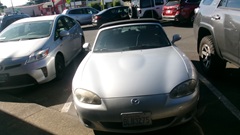
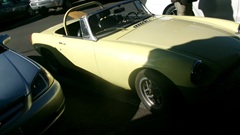
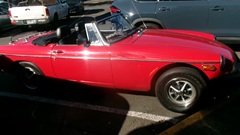
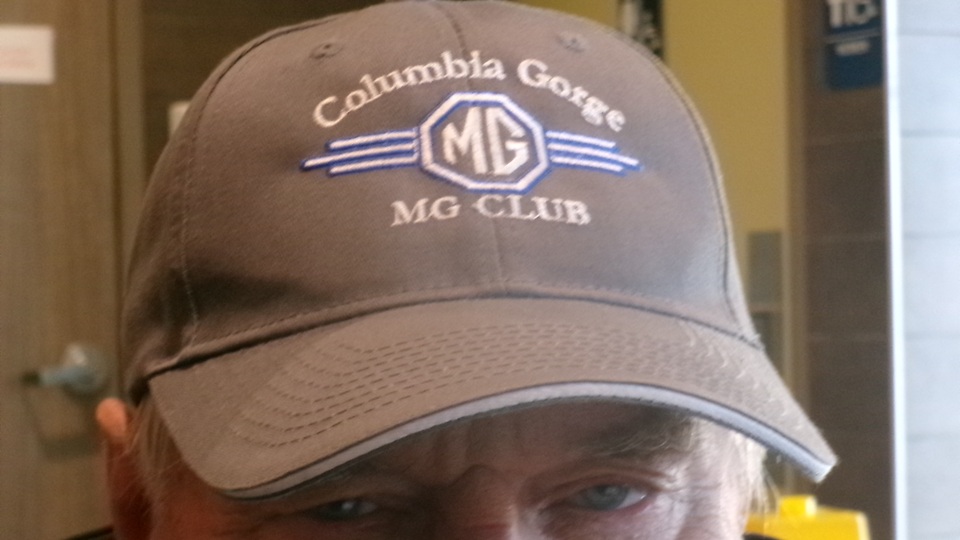
Been here multiple times before since 1989, so we know many of the 40 club members in attendance. A good time was had by all, including a never ending raffle give-away, and a birthday party for a 90-year old lady club member. And I picked up a new hat from the regalia corner, after not finding a T-shirt.



After meeting, fuel stop at nearby Love's Travel center, which looked like a crowded gas station with walk-up Chester's Chicken, no seating, and no power outlet. McD next door was equally depressing with no power and no WiFi, so not dropping money here either. But it was late enough to drive 56 miles east in I-84 to a decent rest stop.
Saturday, July 11, 2026:
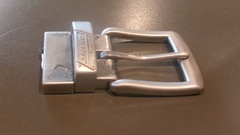
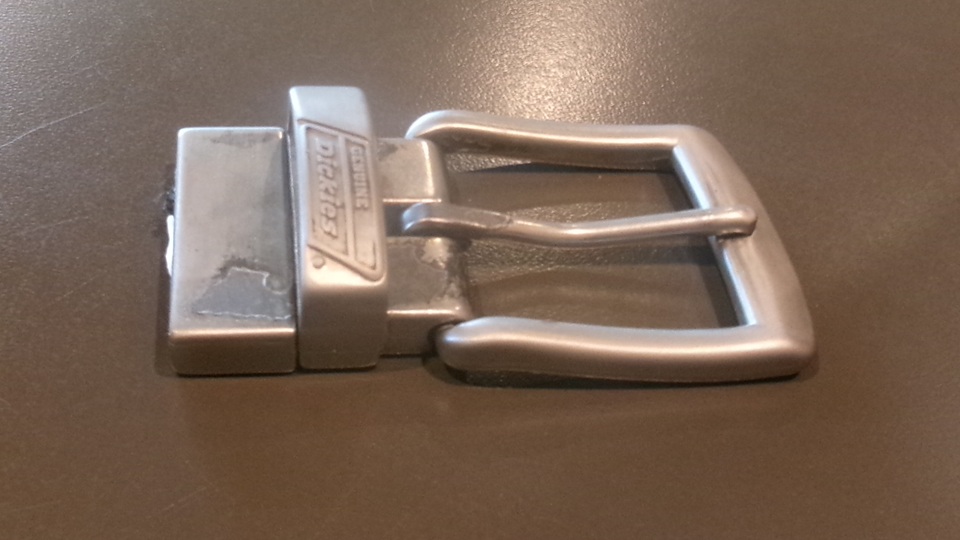
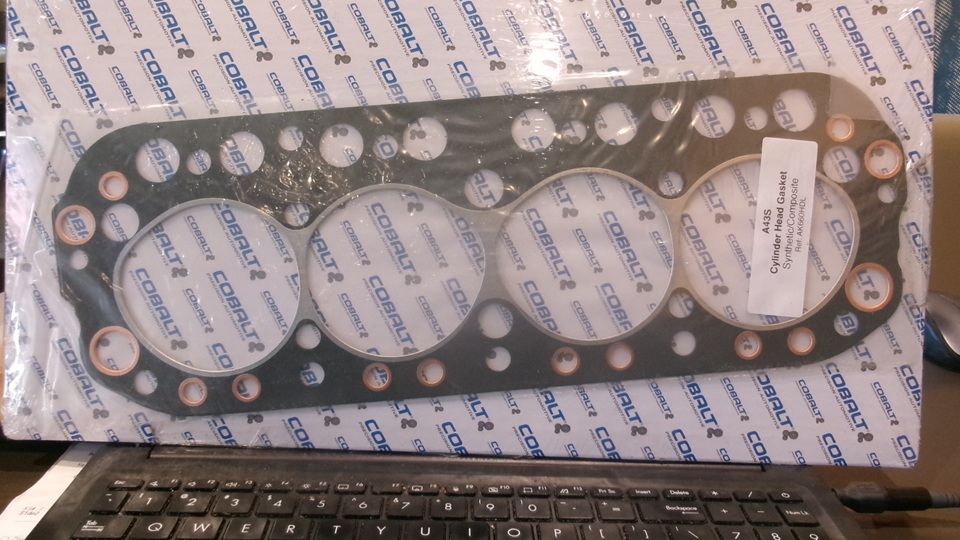
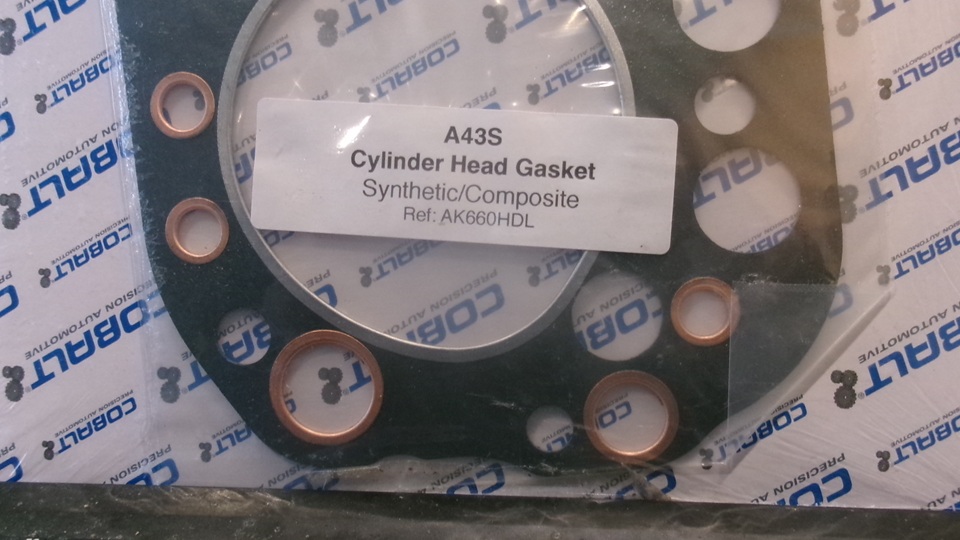
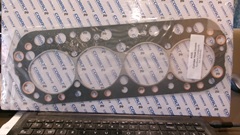
Good morning, no appointments, broke my belt, so we will back track a bit to Walmart in Hood River, Oregon for a new belt and a few other trivials. The McD next door was again dead, no power, move on. Back on I-84 east a few miles to another McD, still in Hood River, where we got lucky and found a friendly one. Missed the breakfast hour, settle for early lunch before getting down to work processing photos and notes from yesterday. Still have the failed brake switch in my pocket. Also updating a prior tech page with more information on MG head gaskets, some no longer available and what's new and may still work. One of these Cobalt gaskets is currently in my 1800 engine since mid April, about 5000 miles, while the other is in the Magic Trailer as spare.
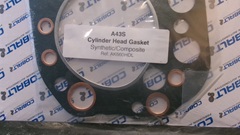
Sunday, July 12, 2026:
A week ago our North American MG and British Cars Club Links List had 7 clubs listed in Oregon, but only one had a currently active web site link. So we scheduled and attended the Columbia Gorge MG Club meeting Friday evening. Today we spent most of the day searching for links and club information, and any available events information in Oregon. Tonight we have hot links for six of those clubs, and appointments for two more of them this coming week. The last club, Klamath British Touring Society, has been a mystery with no contact in the past 12 years. Last web presence of their web site on record is a link to the Wayback Machine from May 14, 2014. There was some mention of the Klamath club through British Motor Club of Utah, like they may have jointly attended some common event bout that time. We do have a hot link to the Utah club, drove through there a few years ago, and may make the connection there around 1st of the month. They might have more information about the Klamath club. I suspect we will ultimately determine that it is definitely defunct, or possibly merged with another club. Time will tell, but we need to close this window on the Clubs list.
Monday, July 13, 2026:
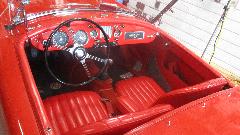 Had an interesting email from an MGA owner in Vancouver, British Columbia, Canada. Questions about cockpit trim roll piping prompted a discussion about materials, color combinations and cord diameter for the various piping pieces. This led to disclosure that he is working on a very nice car with at least 50 years known history, and only a few prior owners. Then it turned out to be a car I had visited and worked on some in late August 2017, after return from our 20th anniversary trip to Alaska. the car was restored by second owner 50 years go, then not driven much, mostly in storage for 40 years. Ten years ago we worked on it and drove it a little, getting it back to good daily driver condition. Then sold to someone on Vancouver Island who restored it again, this time to near show condition. Recently purchased by this new email friend who has been retrimming it a bit, about to restore leather seats and such to finish it to concourse show condition. He plans to take it to the ABFM in at Van Dusen Botanical Garden next May. This is beginning to sound like an invite and a challenge, so we may have to renew our passports again before next spring.
Tuesday, July 14, 2026:
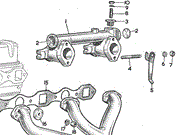
Added a new Carburetors Tech page CB-115for the carburetor mounting bolts, studs, spacers, washers and nuts. Seems trivial, common sense, but not everyone does it my way. So I post it there as an option, food for thought. --
That done, we are looking forward to a couple of appointments in the next week. These are clubs that we have not yet been able to meet or visit, which is important to our mission. So, pins in the map, plotting a route and time schedule, we seem to have most of two days to spare (or to kill). -- When we have available time with no appointments, we sometimes turn into tourists for a while. Anyone want to guess where we will go tomorrow?
Wednesday, July 15, 2026:
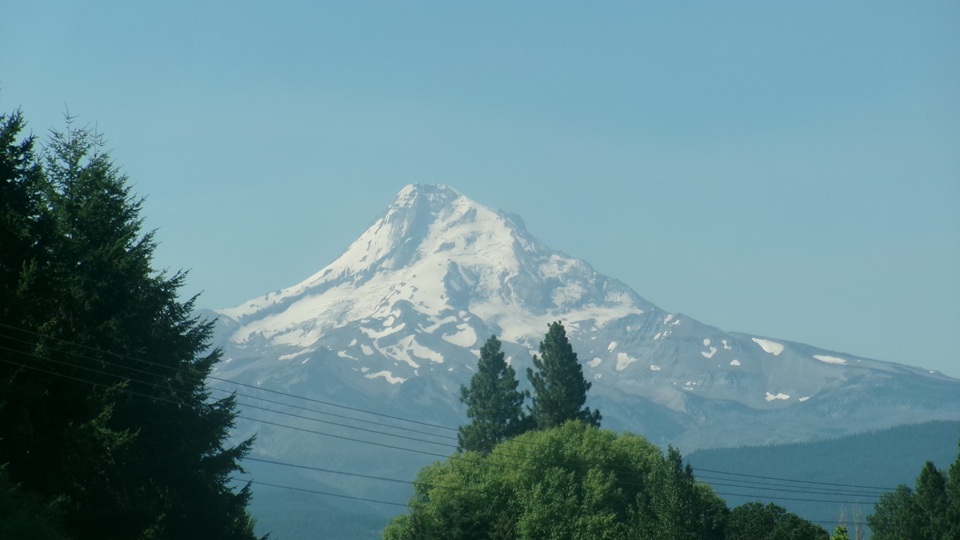
Fair warning: This is a very condensed version of a very arduous day driving up both north and south access routes on Mount Hood in Oregon,USA. Beyond the few teaser photos and notes below, you can find the complete report with 82 scenic photos and comments on a full day of driving some very tough roads on the mountain. Find the link at bottom of this page.
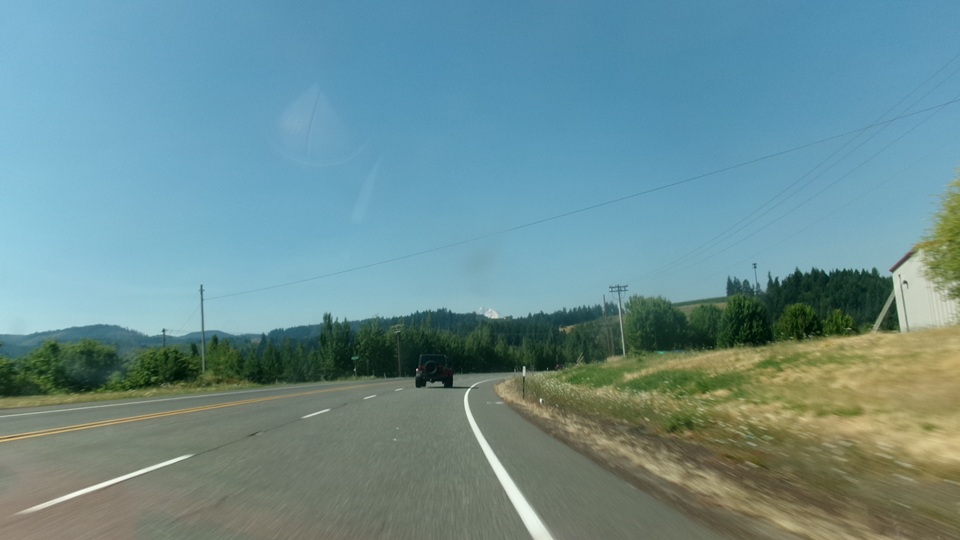
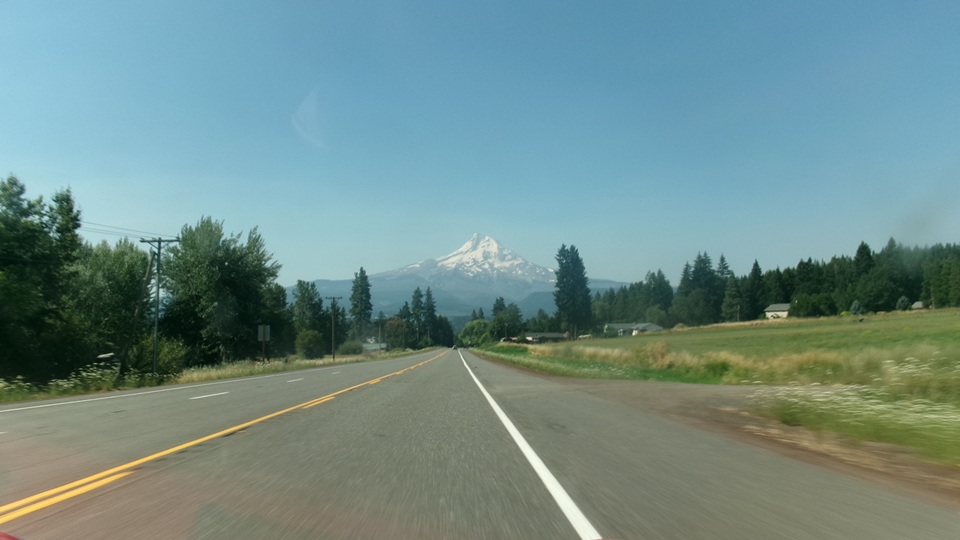
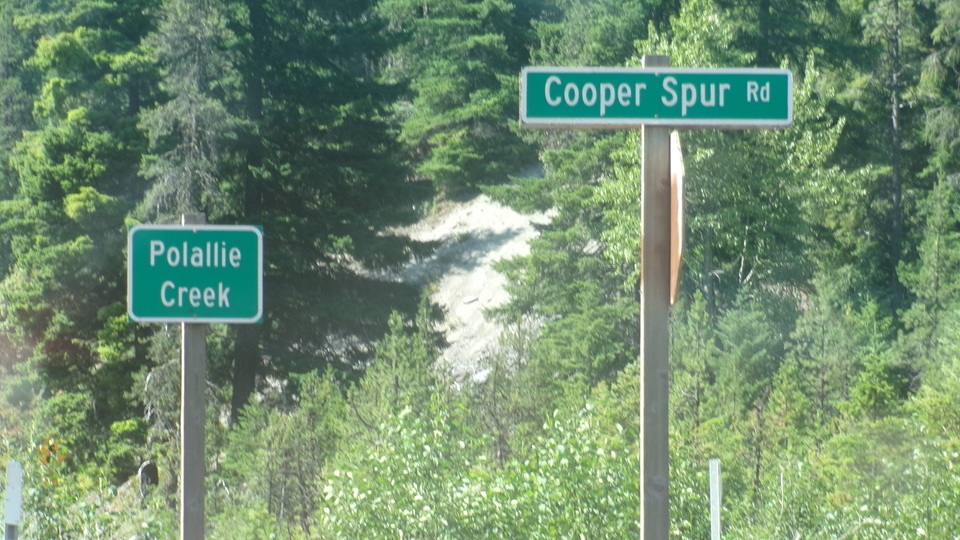
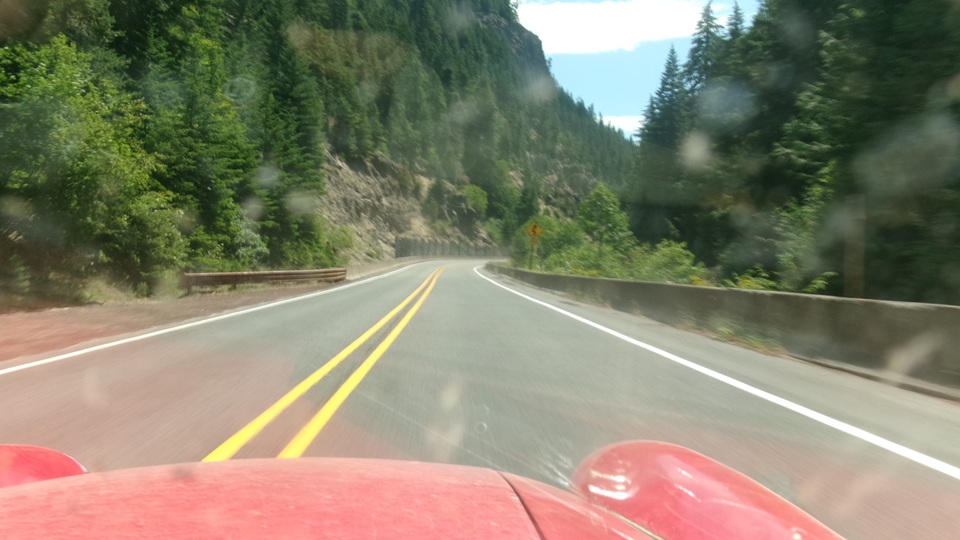
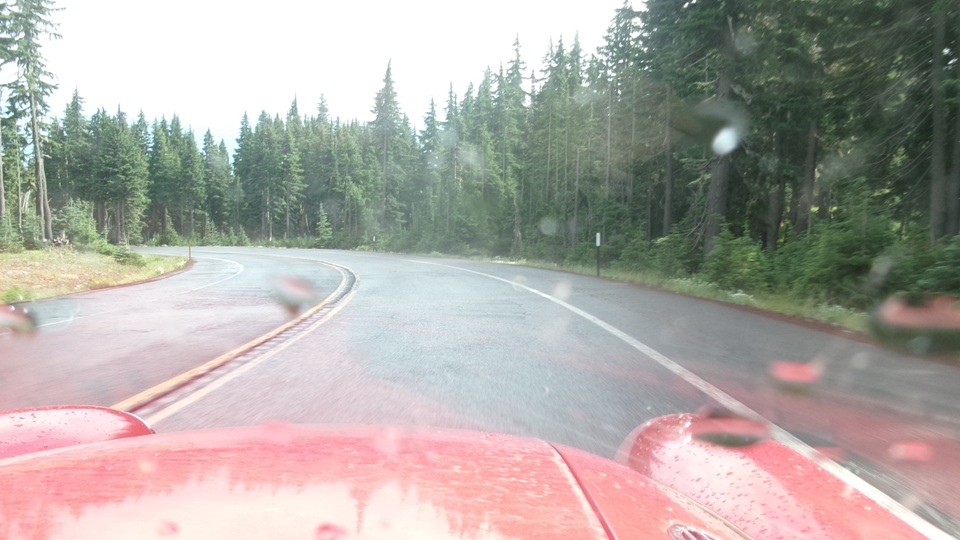
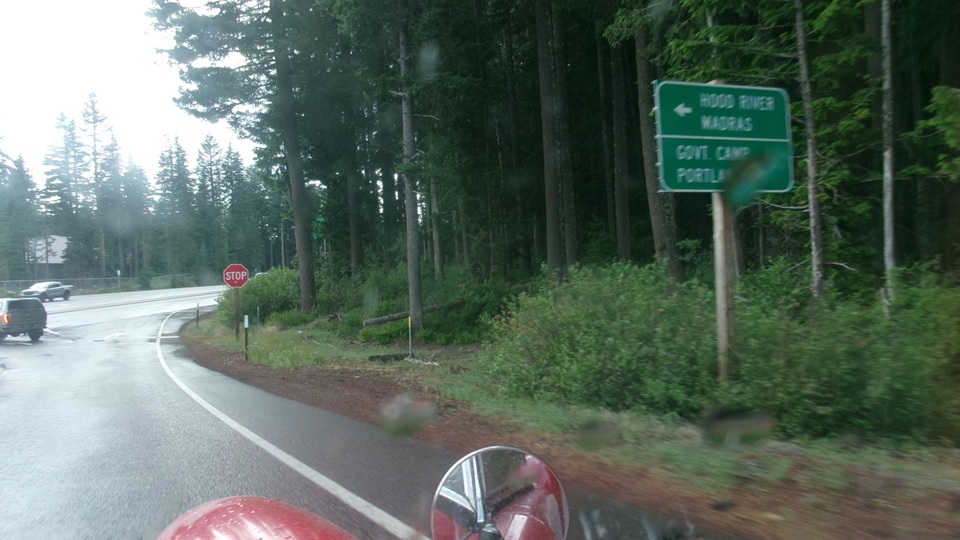
Up early for breakfast, get the BBS and email out of the way, full tank of fuel, top up coolant, poke around everything under the bonnet, kick the tires and check tire pressure, be sure the trailer hitch and safety chains are secure, and head out from Hood River, Oregon going south this time. We were following Mount Hood Highway, OR-35, heading for Cooper Spur Road near Polallie Trail Head, 24 miles on, as we were sneaking up on the north side of Mount Hood.
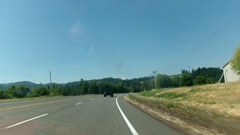
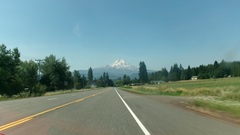
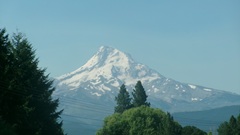
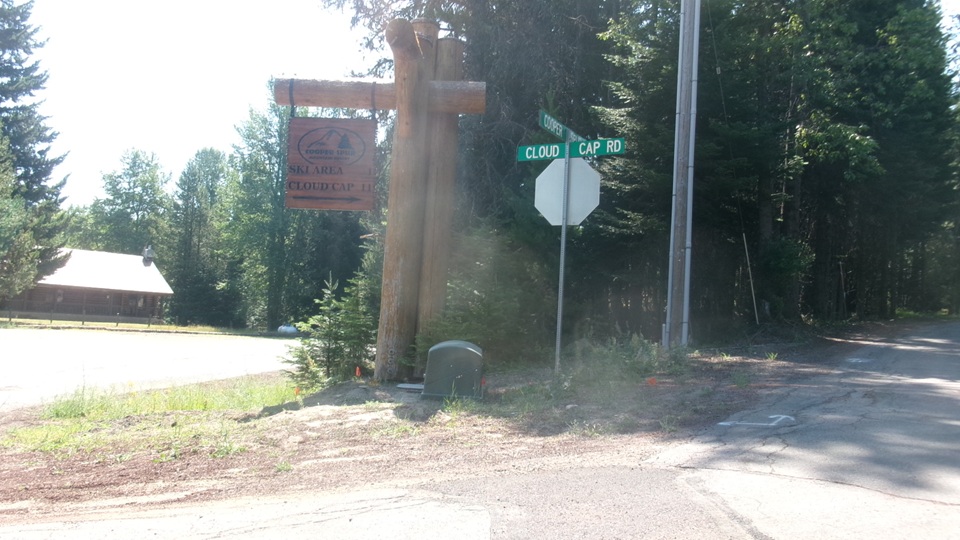
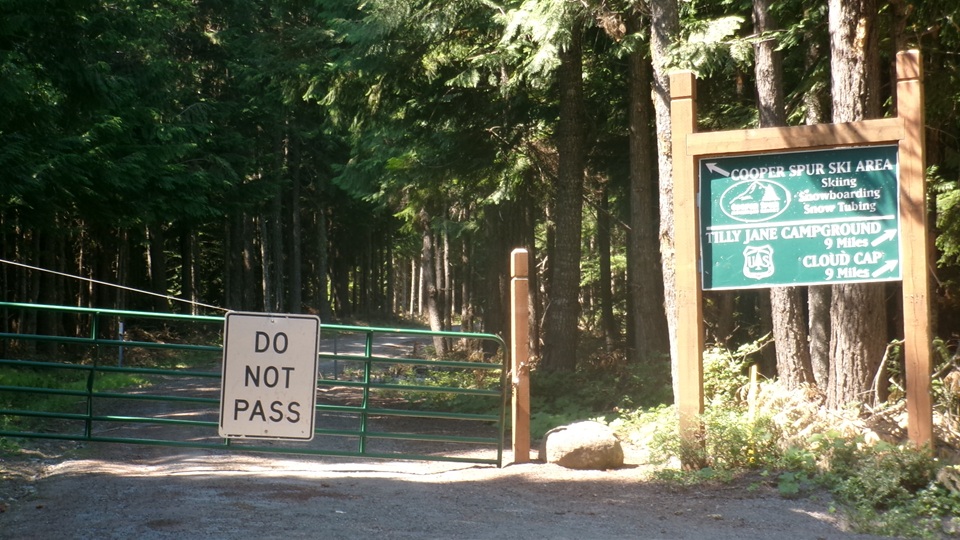
Turning into Cooper Spur Road, the sign optimistically says, "Cooper Spur Ski Area 4, Cloud Cap, 14".
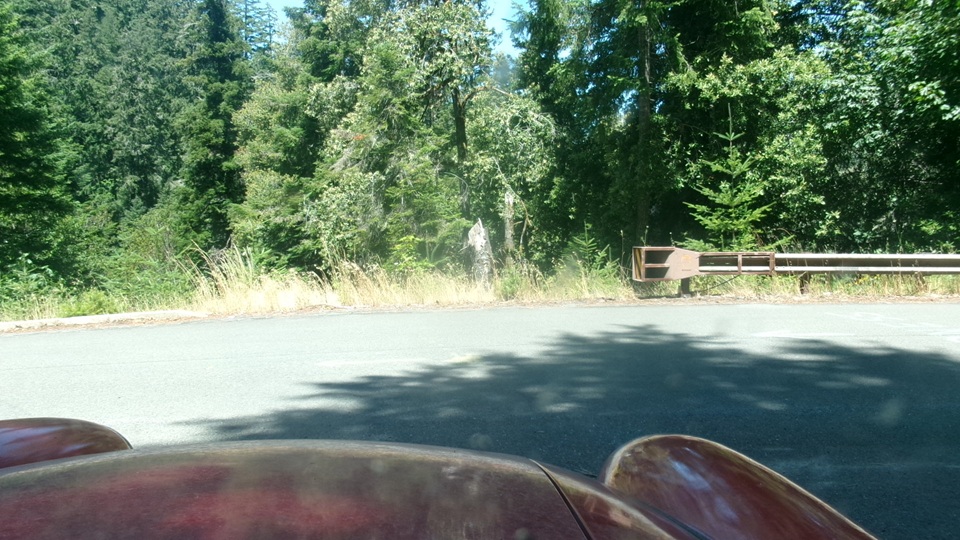
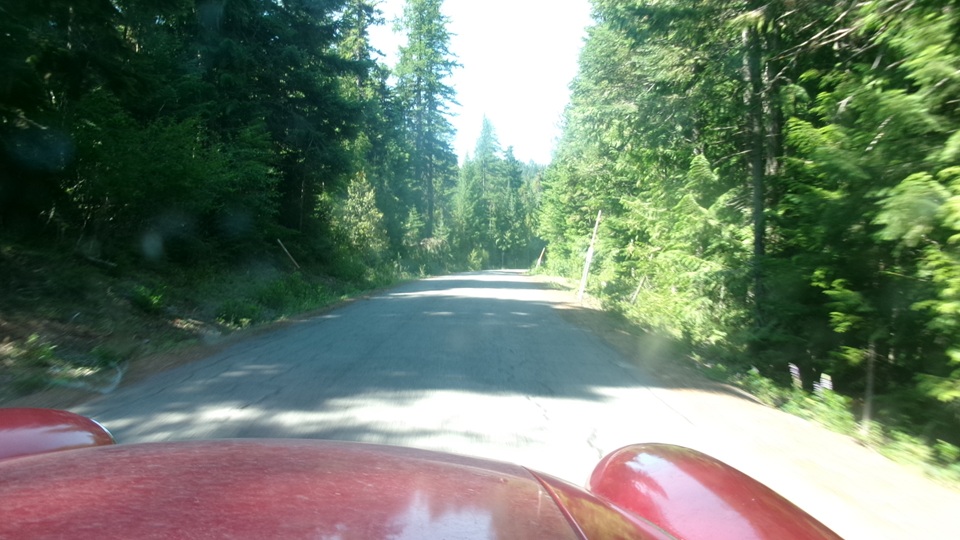
one mile of reasonable gravel road, where we soon encountered our first serious pot hole. Now second gear just off idle, about 10-mph to tolerate the rough gravel road, wondering if we should really be here.
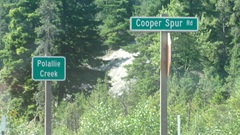
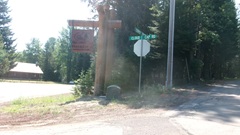
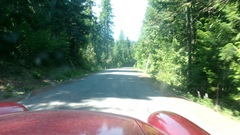
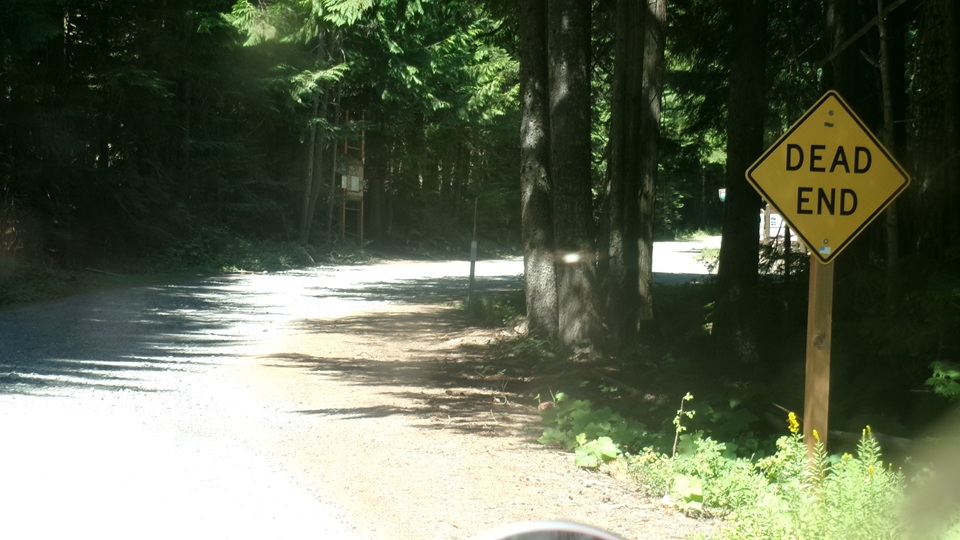
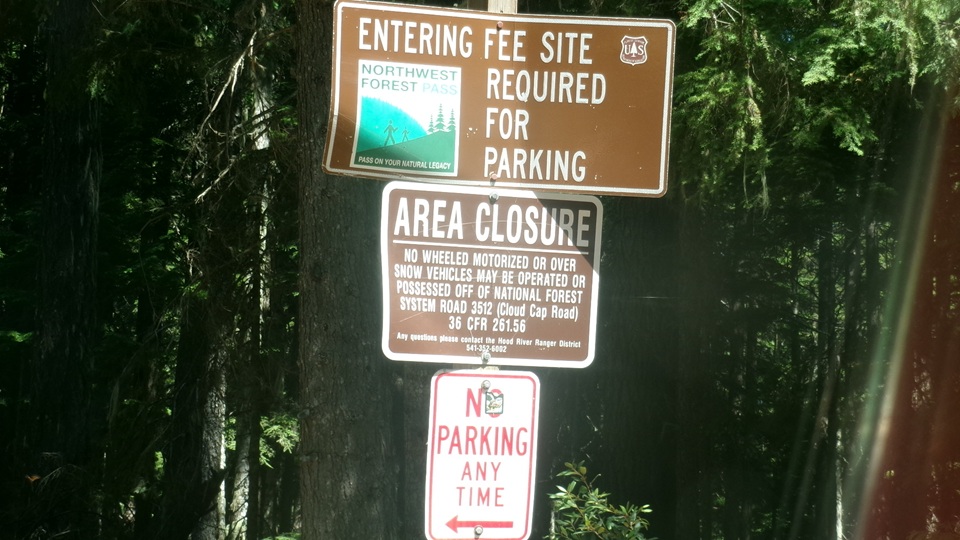
A few miles farther, the fork left to the ski area and resort was gate closed, no access, so bear right onto Cloud Cap Road, "Forest Road 3512", toward Tillie Jane Campground and Cloud Cap, just 5 miles in, another 9 miles to go on a dead end road. This is a much worse gravel forestry road, definitely limited to second gear, and sometimes less, don't break the vehicles.
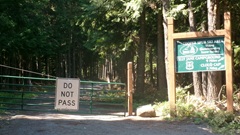
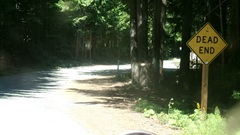
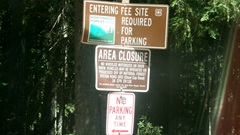
..... Time laps for two hours up the hill, plus hour and a half back down the hill. ....
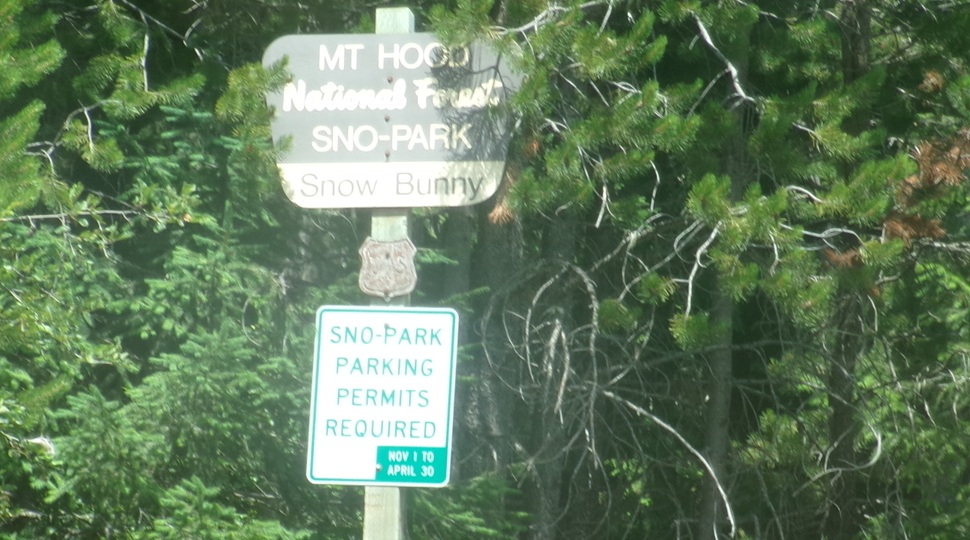
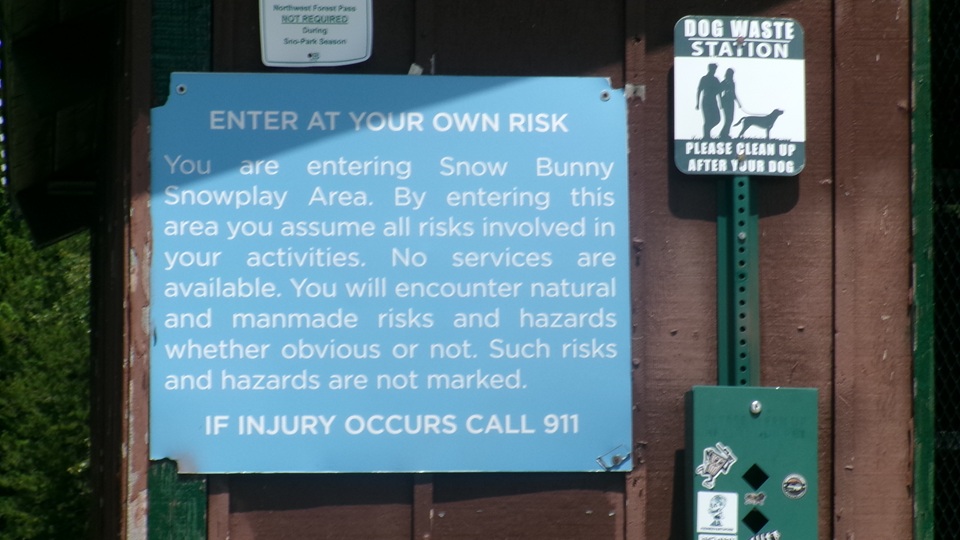
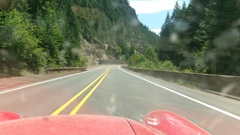
Hang a right back onto OR-35 to run around the east side of the mountain,and get into the south side entrance. 16 miles on, looking for the Government Camp ski resort, we turned in bit early, ending up in a parking lot at the base of Snow Bunny trail. Just a minute to figure out what was wrong, turn around to get out.
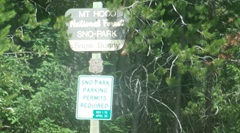
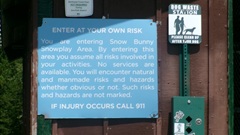
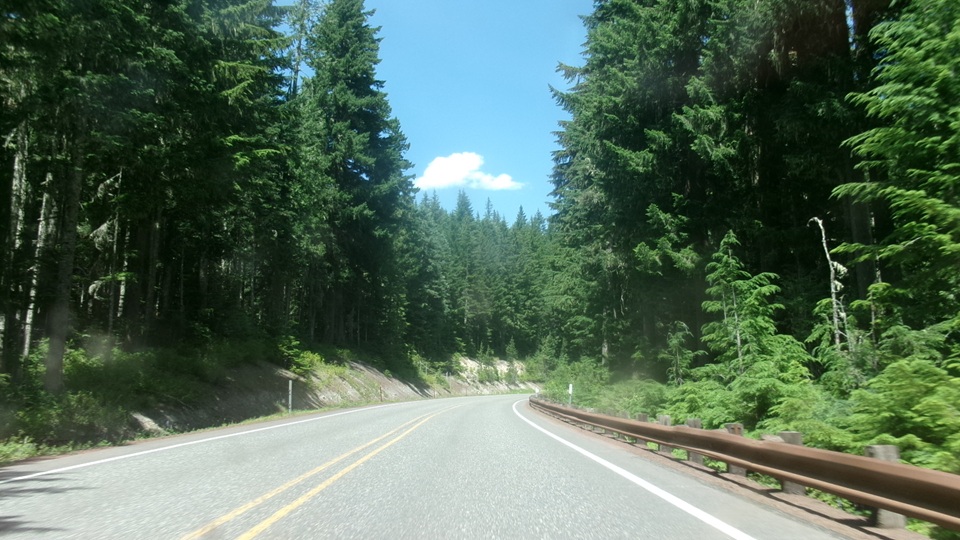
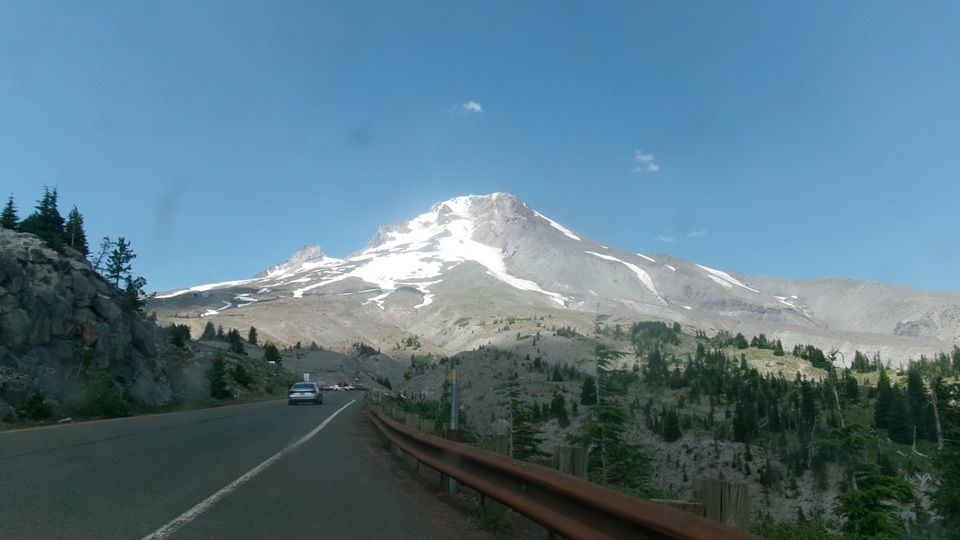
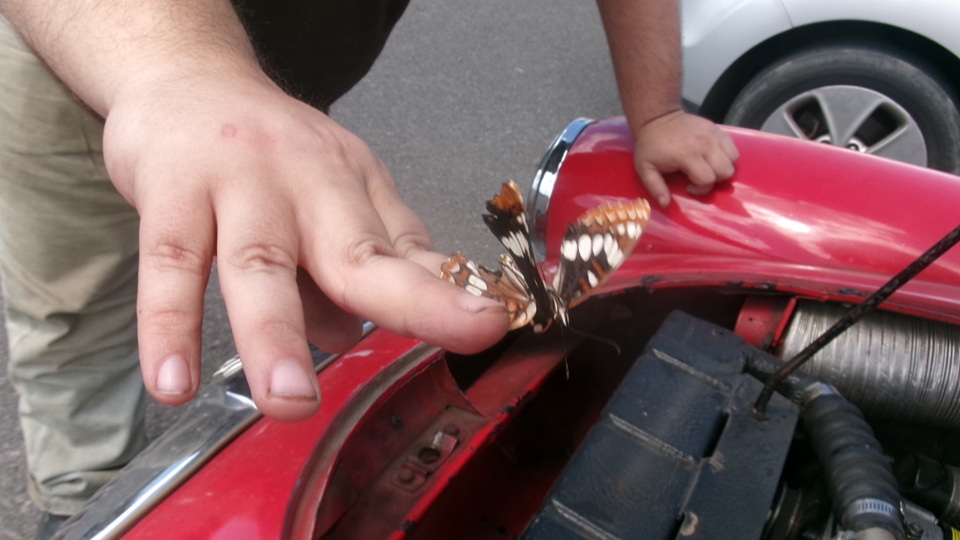
Mile and a half west on US-26 (Mount Hood Highway), turn into Timberline Highway. Nice upgrade blacktop, winding road with a few switch backs, 5-1/2 miles in to find overflow parking. Quick check under the bonnet gust to be sure all is well. Banish the half dead butterfly, and brush a few more bugs off the radiator core.
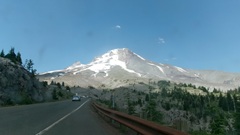
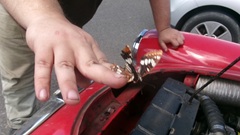
..... Time laps for two hours more, skipping over our visit to the ski resort at Government Camp, Oregon. ....
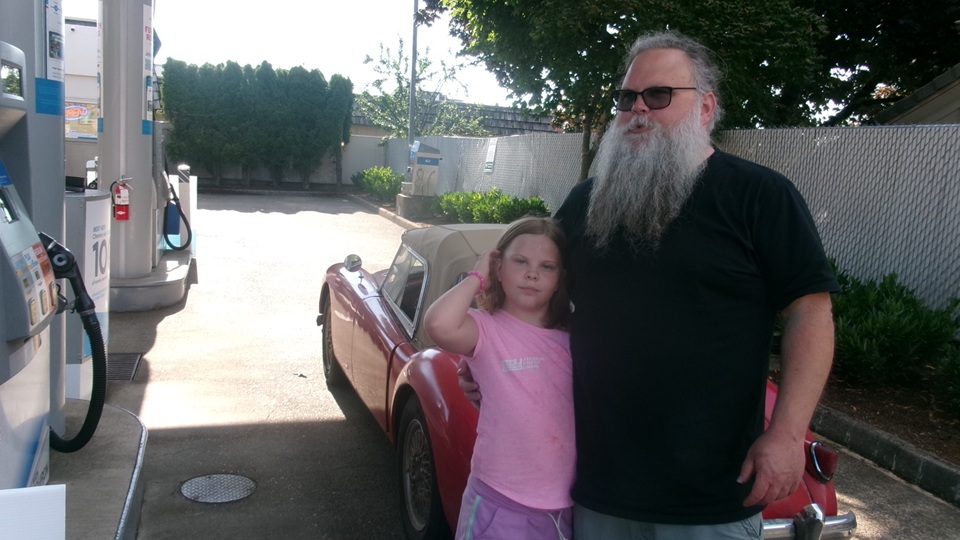
Six miles down through the twisties, and hang a right onto the highway, all the while thinking Government Camp and the ski resort was kind of a bust. And we noticed the windscreen wipers were not working. Soon we were being tailed by dark red Jeep, pulling along side to honk at us a couple of times, then back behind to follow us wherever we went. Okay, humor the guy ,and pull into a gas station to see what he wants. Nice guy with his grand-daughter, had just bought an MGA, just like mine, a few days ago, a real novice to the sport. So we had a half hour chat to introduce him to the MGAguru web suite, the MGA discussion forum, our clubs list and shops list, places where he can buy parts new or used, and do keep in touch.
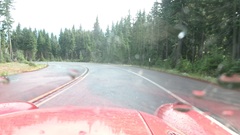
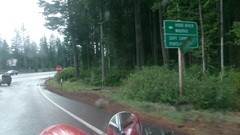

Then heading in the general direction of tomorrow's appointment, another 100 miles southwest to Love's Travel Center in Albany, Oregon. Good for fuel, dinner, WiFi, and lots of work on photos and notes for the travel log.
Click here for a Supplemental Page with all 82 photos and full report of our drives up both north and south access roads on Mount Hood.
It may be appropriate here to mention why we do these crazy time consuming and risky runs on such ratty roads. It is partly out of curiosity and entertainment, like being a tourist. Also partly to avoid boredom on a day off. But mostly it is a part of the mission statement to bring helpful data and information about owning and driving and maintaining a vintage car. We do this so other people can know what is out there without having to spend the time or money or risk damage to their car just to find out. Also, we like to instill the courage and confidence for people to drive these cars, which of course were made to be driven.
|